Gudi Padwa | Marathi New Year 2026: Traditions, Rituals & Dates
Gudi Padwa | Marathi New Year Festival is celebrated by Maharashtrians as a Hindu New Year celebration, and one of the greatest and most important festivals of western India. The festival attracts positive new beginnings and is celebrated with devotion and a full range of traditions. The festivities attract new positive energy and a sense of renewal as the festival is celebrated during spring.
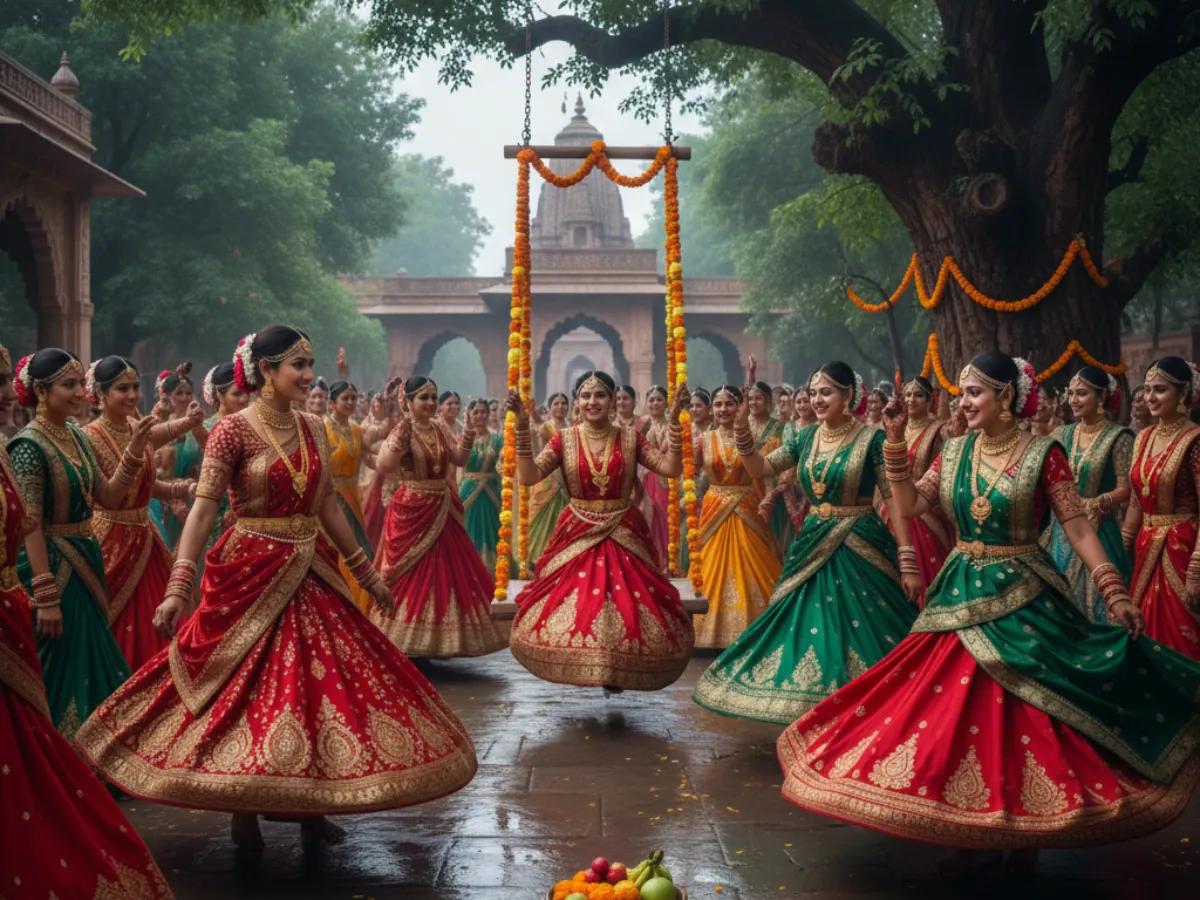
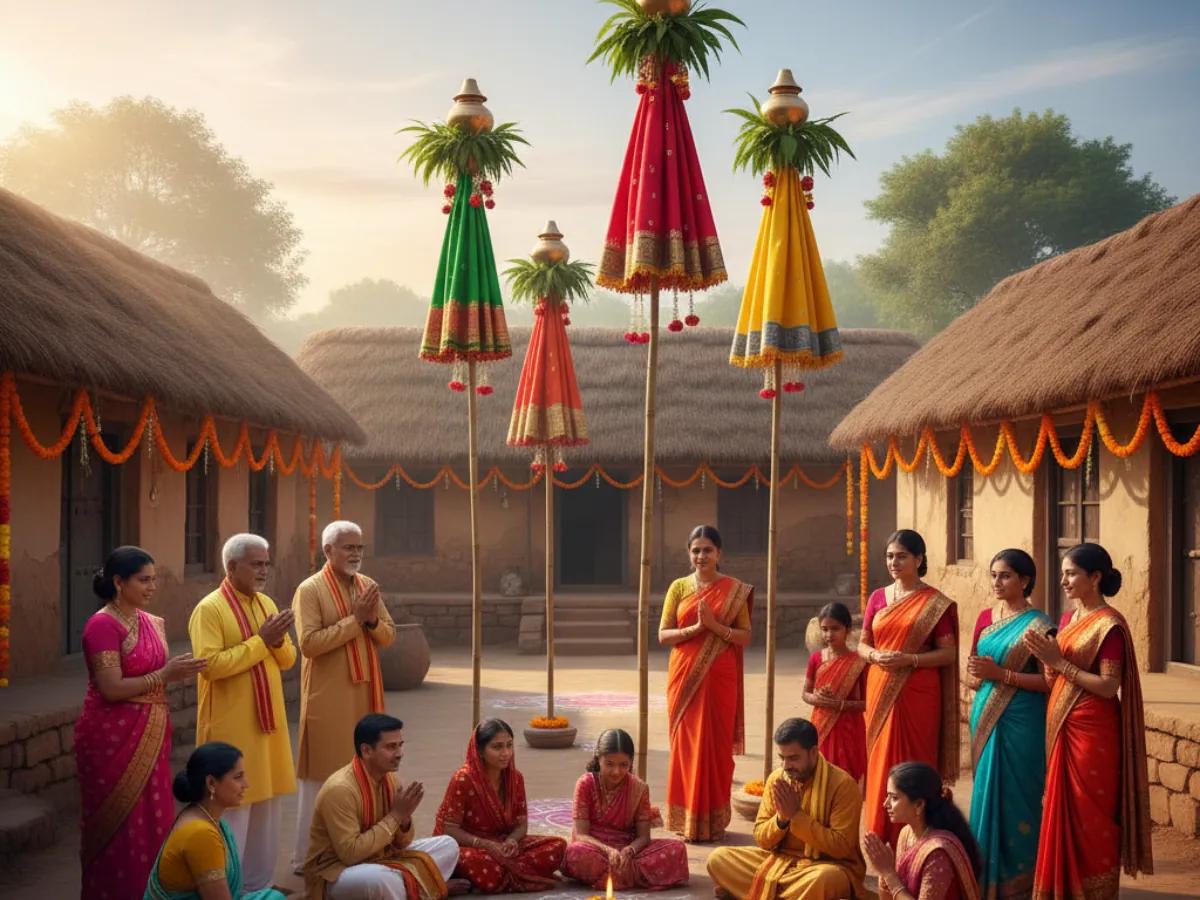
The festival comprises of a range of activities: Cleaning the house, putting together rangolis and dressing in new traditional clothing. The festival is unique among the other Indian New Year celebrations because of the addition of the Gudi. The Gudi is a flag raised in the household as a sign of good luck. Gudi Padwa is a festival that is an expression of cultural identity and an extension of the Marathi tradition.
Gudi Padwa 2026 Date and Day
One of the most commonly searched details is the exact date of the festival.
| Event | Details |
|---|---|
| Festival Name | Gudi Padwa |
| Year | 2026 |
| Day | Monday |
| Gregorian Date | 23 March 2026 |
| Hindu Month | Chaitra |
| Paksha | Shukla Paksha |
| Tithi | Pratipada |
| Significance | Marathi New Year, New Beginnings |
In 2026, Gudi Padwa will be celebrated with great enthusiasm as families welcome the New Year with optimism and devotion.
What is the meaning of Gudi Padwa?
Gudi Padwa means the start of a new year along with celebrating the victory of good over evil in the battle of the Hindu lunisolar calendar. “Gudi” means a hoisted flag, while “Padwa” means the lunar day of Pratipada. It is believed that Gudi Padwa is the day Lord Brahma created the universe, making this day spiritually powerful.
The Significance of Gudi Padwa
Gudi Padwa has great historical and mythological importance. It is the time of year that Lord Rama returned to Ayodhya after defeating the evil king Ravana. The Gudi is also a symbol of honor and victory. Gudi Padwa also marks the victories of the great Maratha Empire, especially that of Chhatrapati Shivaji Maharaj. For these reasons, Gudi Padwa is seen to be a day of great success, celebrating the start of something good and of victory.
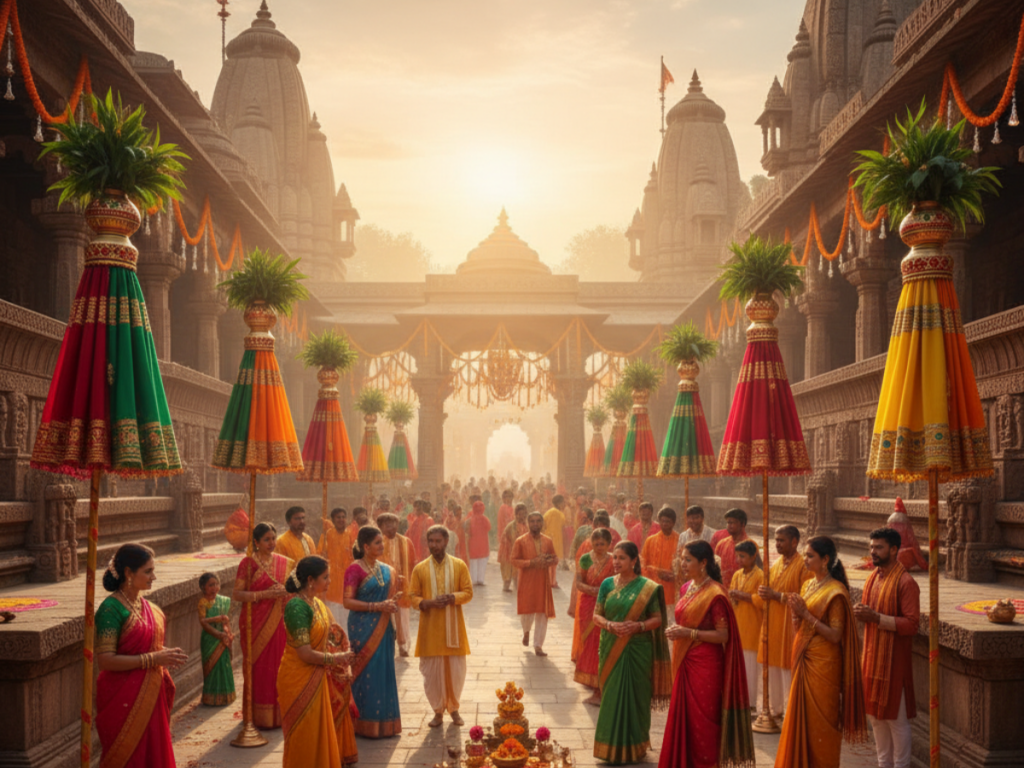
Why is the Gudi Hoisted?
The Gudi is made to celebrate the festival. Each Gudi is made from:
- Bamboo stick
- Bright colored (commonly yellow or green) silk fabric
- Neem leaves, mango leaves, and other (often floral) embellishments
- Inverted copper or silver pot on top
To prepare Gudi in a ritualistic manner, Gudi is made and placed outside facing east. This is believed to:
- Keep the bad energy away
- Bring good energy and happiness
- Symbolize win and divine protection
Customs Elaborated
As is customary across traditions, the morning is the first activity of the day. To be able to complete all the day’s planned activities, people wake up early, take an oil bath. and wear either new (modern) or traditional clothes. Women wear nauvari sarys, and men wear kurtas and dhotis
Prasad of Neem and Jaggery
An interesting ritual on Gudi Padwa is to eat a mix of:
- Neem leaves
- Jaggery
- Tamarind
- Raw mango
This mix is a form of bitter sweet prasad and represents both the good and the bad in life.
Rangoli and Festive Decor
The paint festival rangoli is welcome to the goddess to come on top. To complete the festive and decor, fresh and colorful rangoli decorates the house, mango leaves and fresh posies bloom.
Traditional Food Made on Gudi Padwa
Food plays an important part in Gudi Padwa | Marathi New Year festivities. Some of the special dishes prepared are:
- Puran Poli
- Shrikhand and Puri
- Poori Bhaji
- Batata Bhaji
Meals are cooked with love and are shared with family and friends to reinforce the bonds of the community and provide support to the communal spirit.
Significance of Gudi Padwa in the Culture of Maharashtra
Apart from being a religious celebration, Gudi Padwa showcases the rich Marathi culture, ethos, and identity. On this day:
- New businesses are launched
- Buying properties is considered to be lucky
- Cultural activities and processions are held
It also marks the commencement of the farming cycle, hence important to the farmers.
Many people follow traditional steps and regional customs, which are often documented in detail on platforms like
Tirth’s Puja & Ritual Guides.
Gudi Padwa and Other Indian New Year Celebrations
The Marathi New Year, Gudi Padwa, is celebrated simultaneously with the New Year festivities in other parts of the country.
- Ugadi in the states of Karnataka and Andhra Pradesh
- Cheti Chand for the Sindhi community
- Navreh in the region of Kashmir
These festivals celebrate the rich culture and heritage of the country.
Modern Day Celebrations of Gudi Padwa
Modern Day Celebrations of Gudi Padwa include the following:
- Digital cards and social media greetings
- Community celebration and cultural shows
- Nature friendly decorations
Though many modern-day elements are added, the core of the festival is still the same: culture, renewal, and positive celebration.
Ways to Celebrate Gudi Padwa at Home
You may choose to integrate the following ways to celebrate Gudi Padwa at your home:
- Raising a Gudi outside your home
- Dress in traditional attire
- Arrange for the celebration feast
- Pray and Make a Positive Intention to God for the New Year
Simple acts of goodwill are considered blessed and will bear good results.
Conclusion: Welcoming the New Year with Gudi Padwa
Gudi Padwa | Marathi New Year is a joyful commemoration of tradition, culture, and values. It is a reminder of the belief and optimism that every new beginning is full of. Families express gratitude and happiness as they Hoist the Gudi, and share special meals.
Gudi Padwa wishes you and your family prosperity, health and success. If you enjoy reading about Indian festivals, sacred calendars, and cultural traditions, Tirth offers a calm and informative space to explore India’s spiritual heritage at your own pace and interest.
FAQ for Gudi Padwa | Marathi New Year
1. Why is Gudi Padwa celebrated?
It is the first day of the Marathi New Year and also signifies victory, prosperity, and new beginnings.
2. What is the Gudi a symbol of?
It is a symbol for victory and protection, as well as for divine blessings.
3. Is Gudi Padwa celebrated only in Maharashtra?
Yes, Mostly, but also by Marathi communities around the globe.
4. What food is eaten on Gudi Padwa?
Typical dishes include Shrikhand, Puran Poli, and neem-jaggery prasad.
5. Is Gudi Padwa an auspicious day?
Definitely. It is regarded as an extremely good day for starting any kind of new work.
6. What is special about Gudi Padwa 2026?
It’s on Monday, 23 March 2026, so it’s particularly good for starting new things.