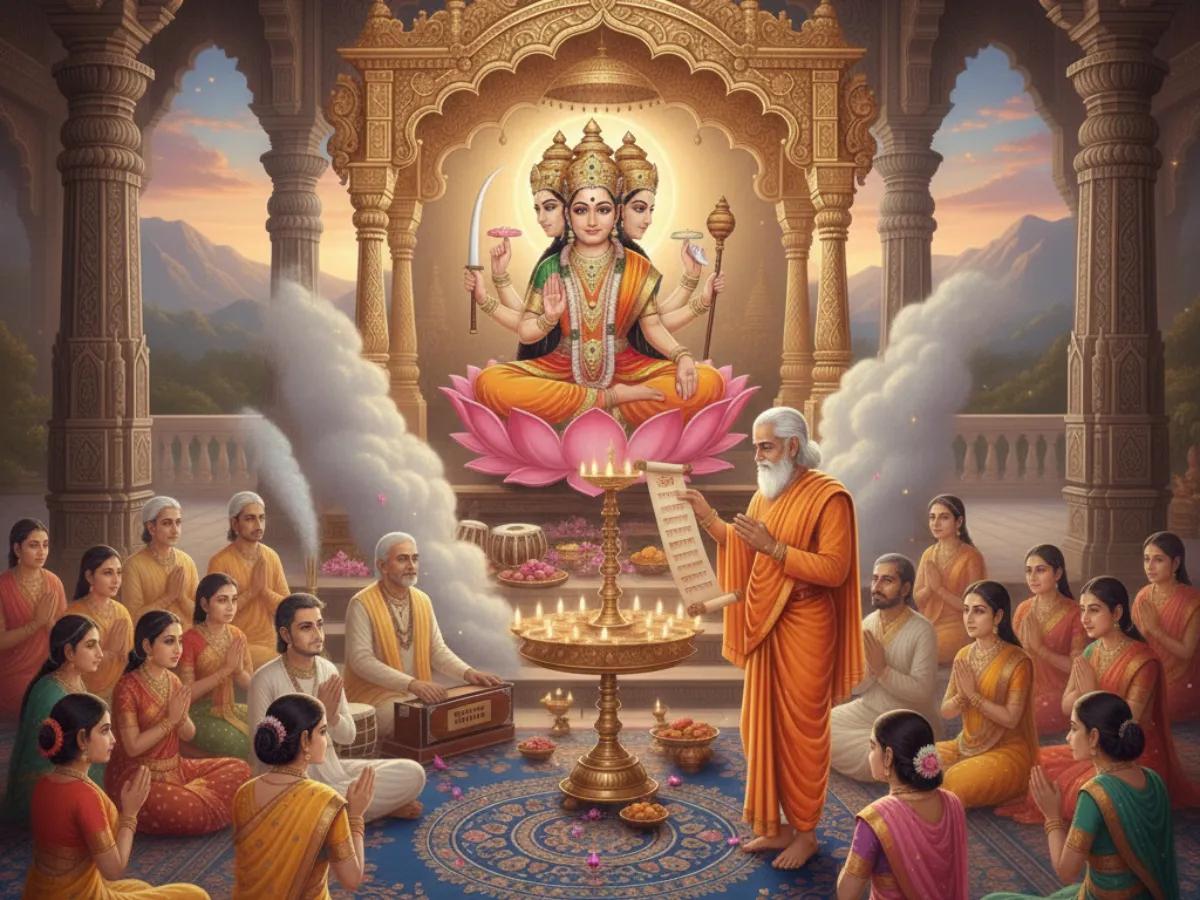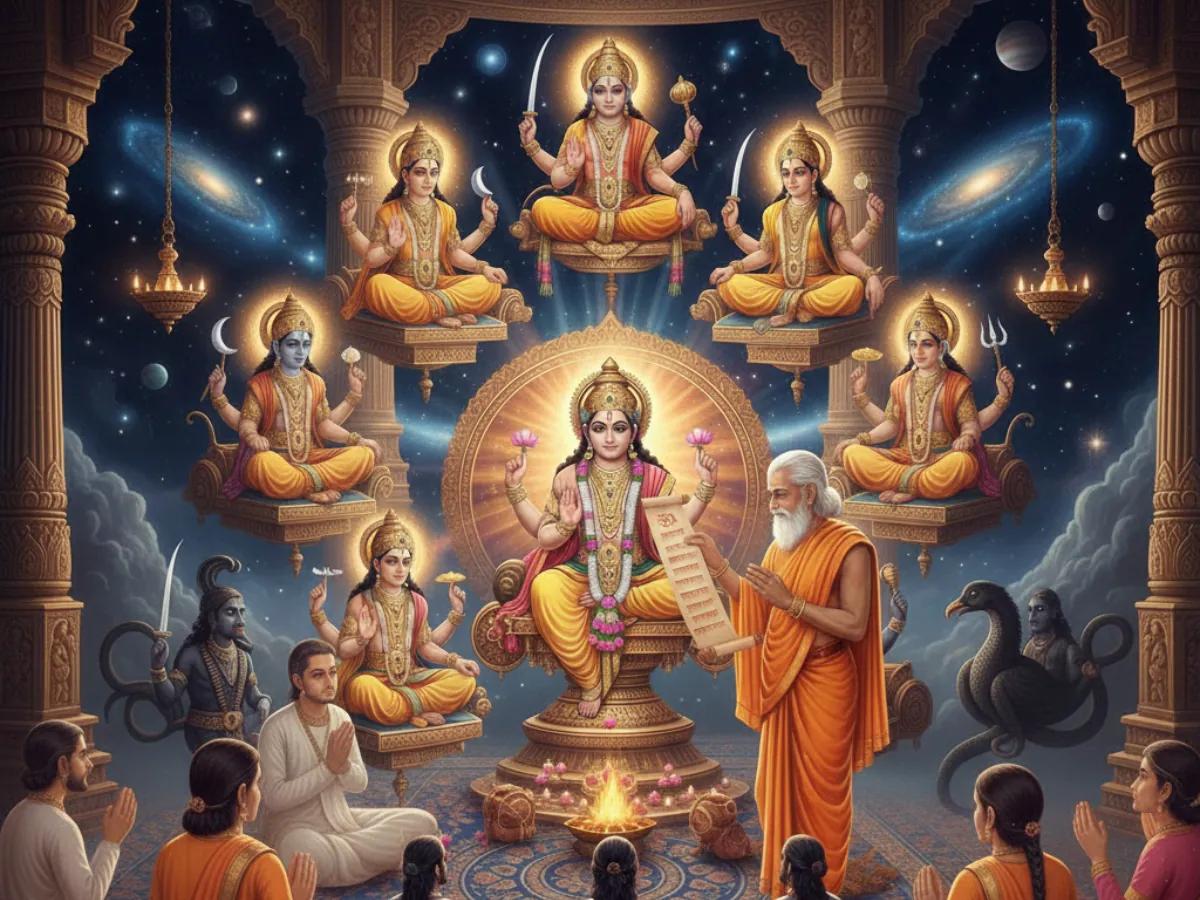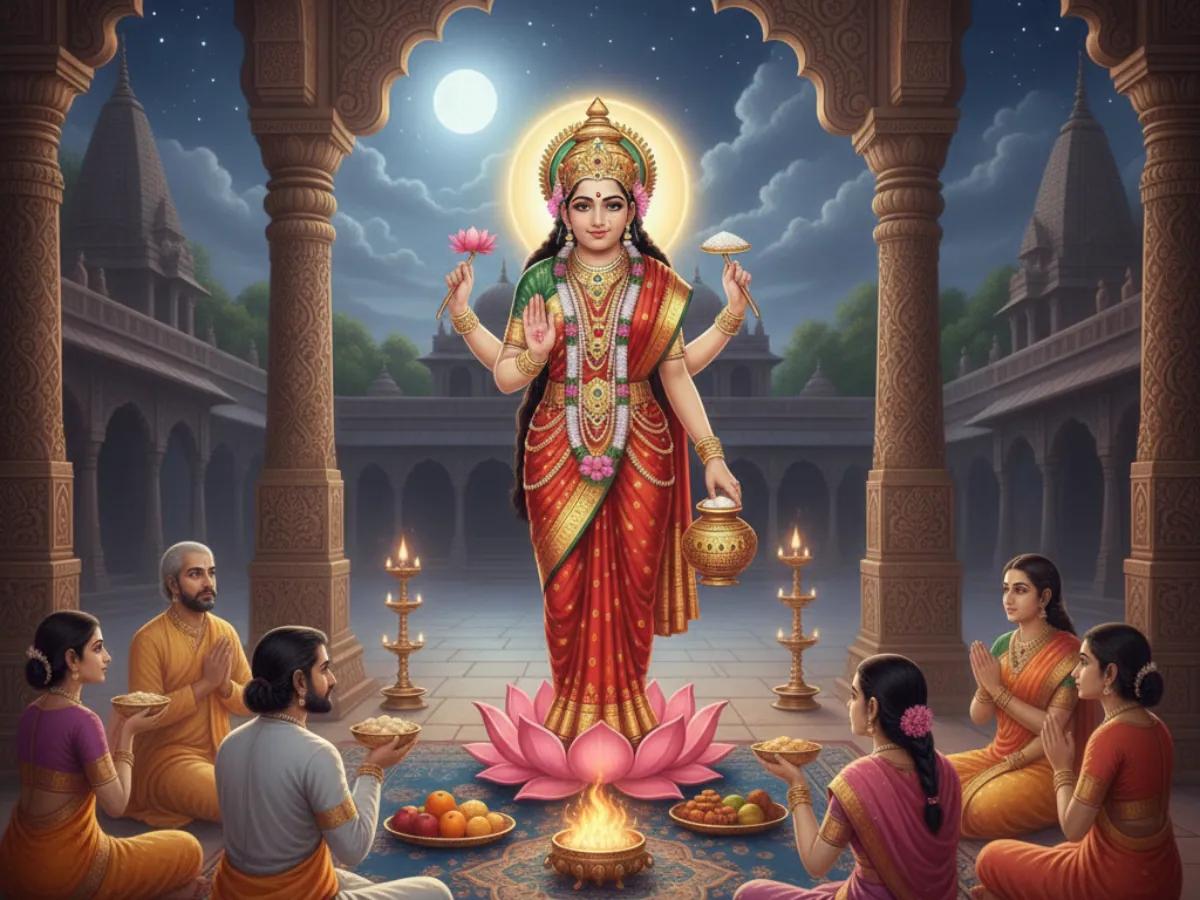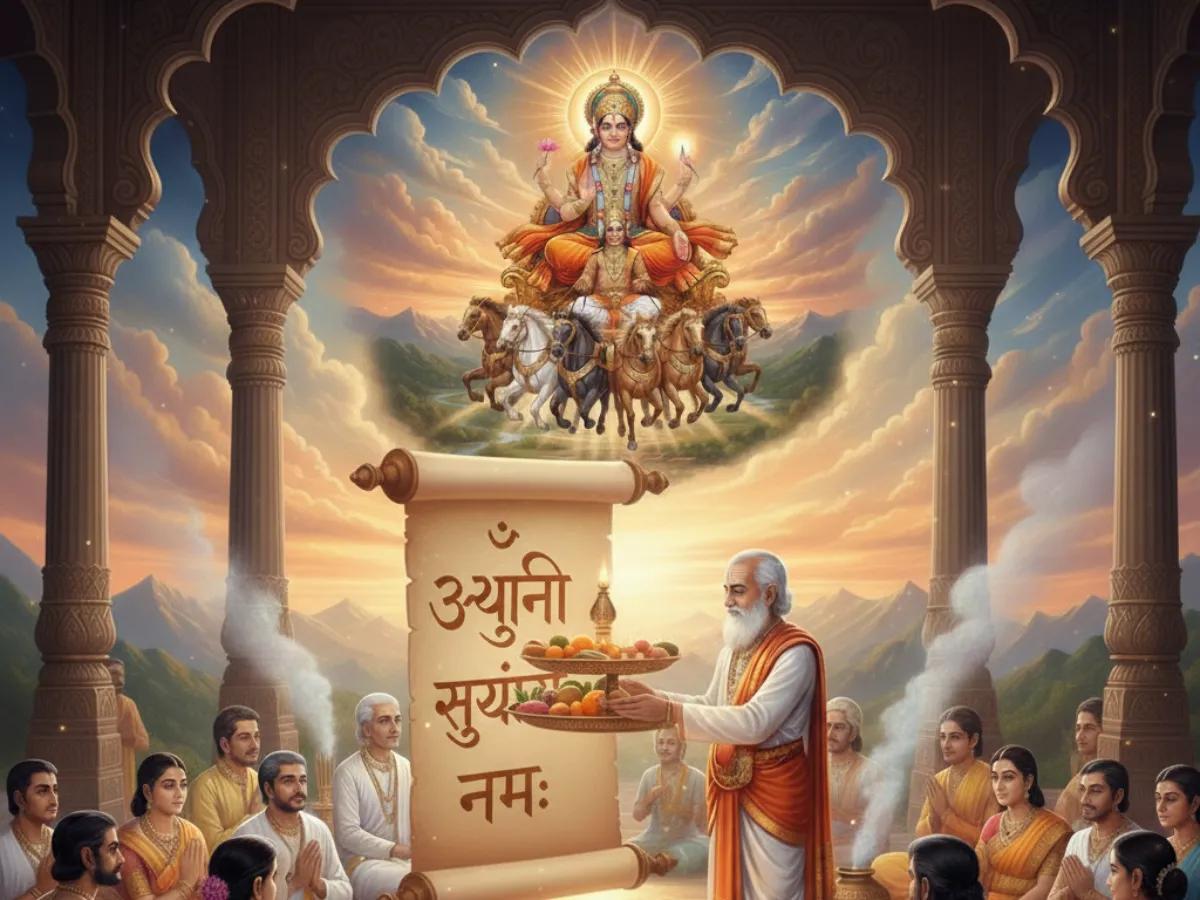
People recite these while offering arghya that moment when water slips from cupped hands toward the Sun. The belief is simple: gratitude opens doors that even the gods pause to notice.
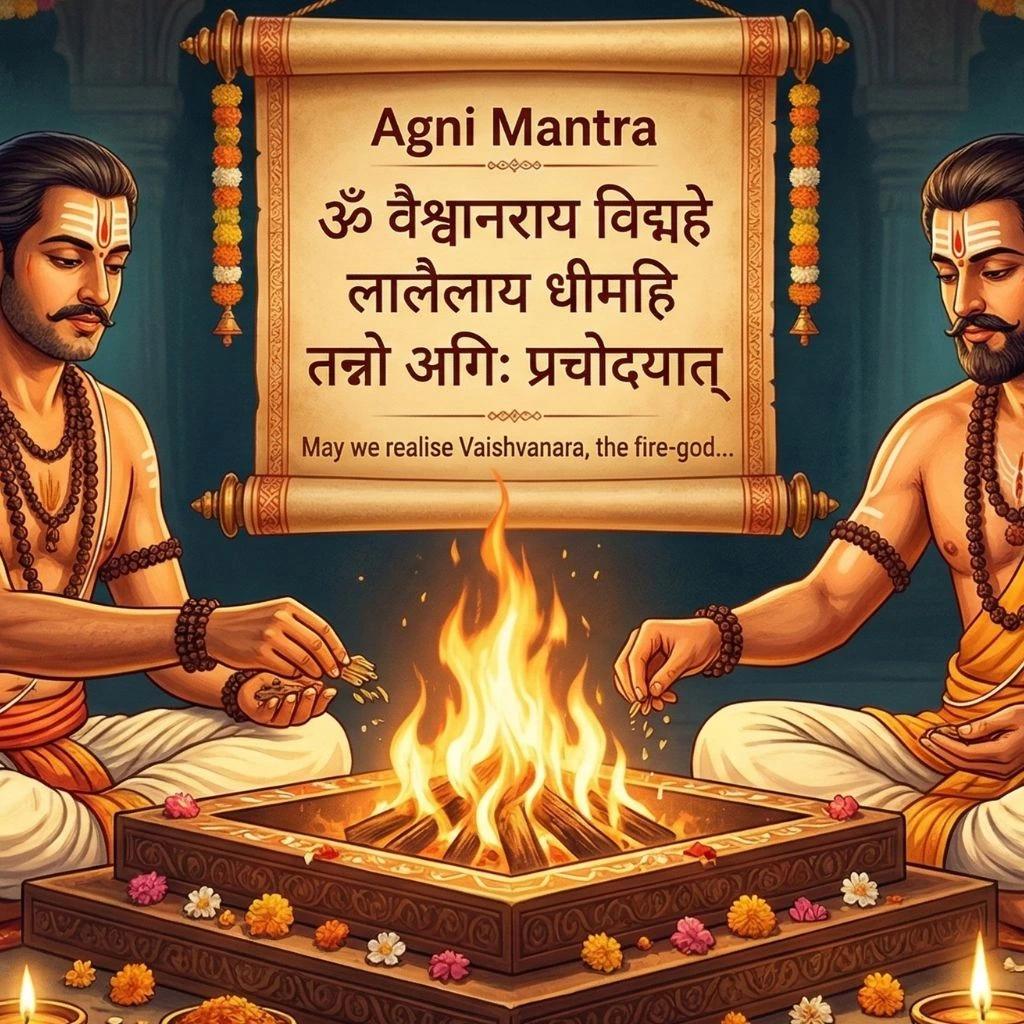
Here are some of the revered chants traditionally recited during Chhath Puja:
Om Ehi Surya Dev Sahasransho Tejo Rashi Jagatpate,
Anukampaya Maam Bhaktya Grihanardhya Divakarah.

Om Suryaaya Namah.
Om Aadityaya Namah.
Om Namo Bhaskaraaya Namah.
Om Ghrinim Suryah Aadityah.

Om Hreem Hreem Suryaaya Sahasrakiranaya
Manovanchhit Phalam Dehi Dehi Swaha.
Each mantra, if you listen closely, carries warmth a sense of respect and surrender to the Sun, the eternal witness of time and effort.
The Four Days of Chhath: A Journey of Faith
The festival unfolds slowly, like a story told over four days every sunrise and sunset with its own rhythm.
Day 1: Nahay Khay (Bath and Eat) It begins with cleansing both body and spirit. Homes are scrubbed spotless, kitchens start anew, and devotees bathe in rivers or ponds, bringing that sacred water home for cooking. The meal is simple: rice and split chickpeas cooked with devotion. Nothing fancy, just pure.
Day 2: Kharna (Fasting and Evening Meal) Here’s where the real test begins. The entire day goes by without a sip of water or a bite of food imagine that. And yet, there’s a quiet determination in the air. After sunset, people break their fast with kheer made from jaggery and sugarcane juice. It’s not just food; it tastes like relief and gratitude mixed together.
Day 3: Sandhya Arghya (Offering to the Setting Sun) This one’s special. As the sun dips low, families gather near the riverbank bamboo baskets filled with fruits, coconuts, and Thekua (those warm, sweet wheat snacks that smell like home). Men usually lead the offering, while women pray for strength and prosperity. The whole river shimmers with oil lamps and faith.
Day 4: Usha Arghya (Morning Offering to the Rising Sun) Before dawn breaks, everyone’s already up sleepy eyed but steady. The morning air bites, but no one complains. As the first light spills across the water, devotees stretch out their hands once again one final offering, one final moment of connection. Afterward, people share prasad sweets, smiles, and maybe a few tears of relief. The festival ends the way it began: full of quiet hope and human warmth.
There’s a reason Chhath touches people so deeply. It’s about discipline and devotion, sure, but more than that, it’s about acknowledging something bigger the rhythm of light and life itself. And when those mantras echo across the water, it feels less like prayer and more like gratitude finding its voice.
Get the authentic Chhath Puja Mantras on Tirth.com and celebrate devotion with purity.