 AI starter
Essential Gaya
1 daypacked pace
See the most important spiritual highlights of Gaya in one focused day.
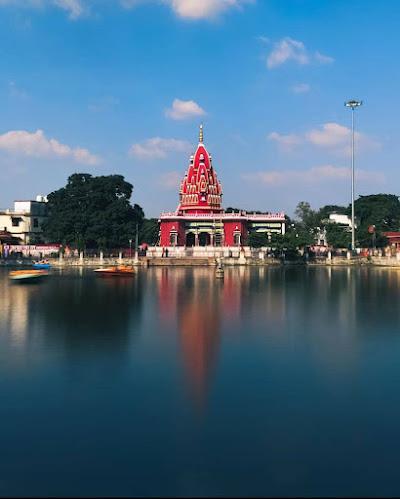
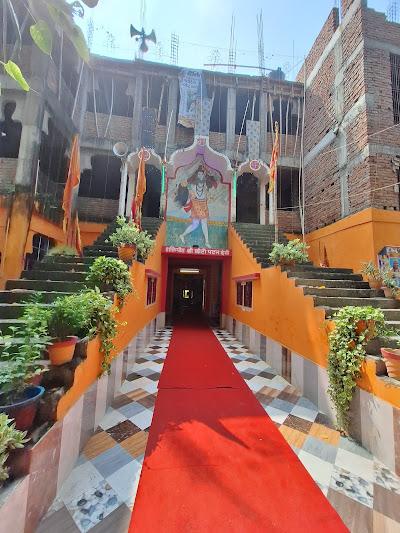
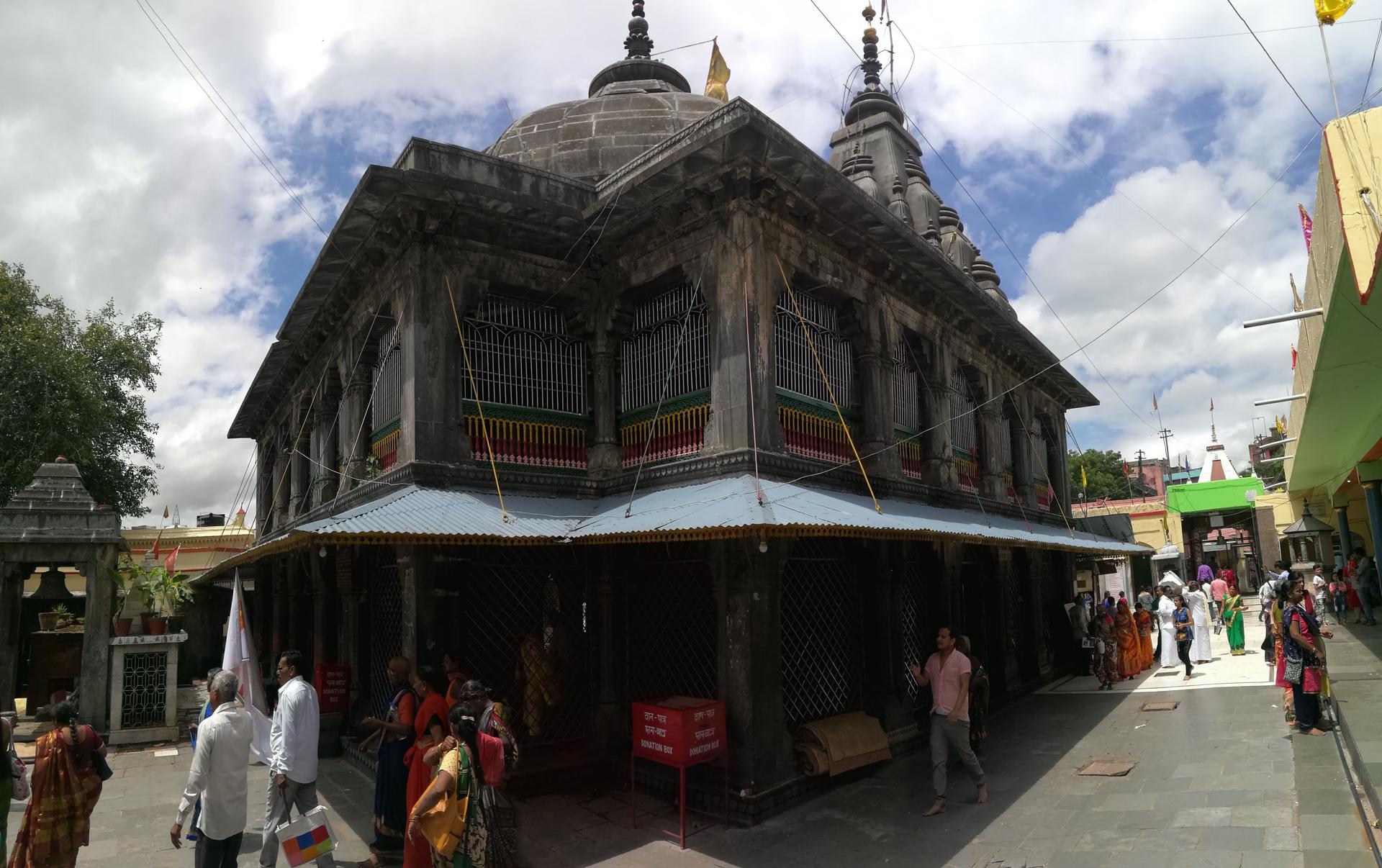
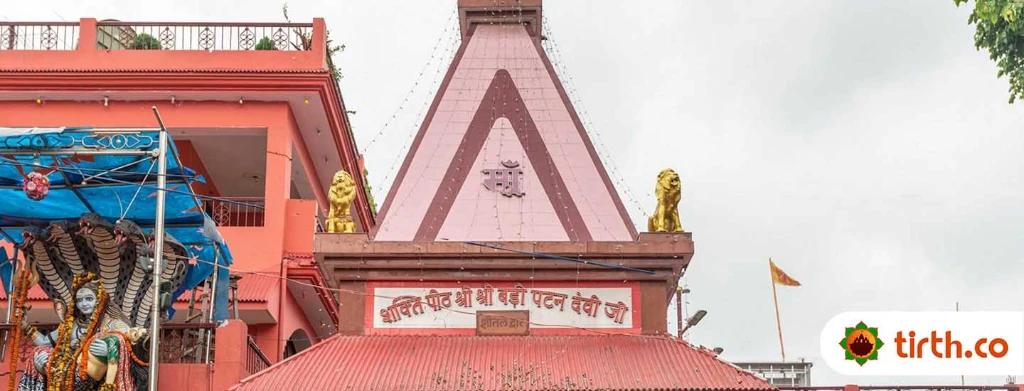
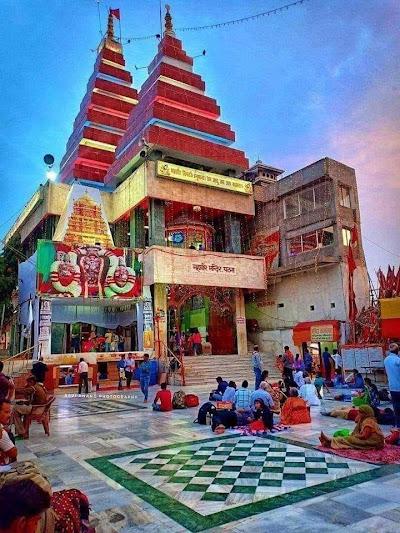
Gaya is a sacred city located on the bank of the Falgu River, known for its profound spiritual significance in Hinduism and Buddhism. The city is surrounded by three hills: Mangala-Gauri, Shringa-Sthan, and Brahmayoni, and is famous for the Vishnupad Temple, which houses the footprint of Lord Vishnu.
Ask about darshan, timings, stays, food, or nearby sacred places. Kanha opens beside this page, so you never lose your place.
Start with an idea, then adjust the dates, pace, interests, and travel group inside the Kanha panel.
AI starterSee the most important spiritual highlights of Gaya in one focused day.
 AI starter
A comfortable two-day route through Gaya's key temples and sacred places.
 AI starter
A gentler family itinerary with time for darshan, rest, food, and local travel.
AI starterGo deeper into the rituals, stories, temples, and nearby sacred places around Gaya.
See all temples and their timings in Gaya at one place
Book temple pujas and get prasad from Gaya
 Transportation
 Emergency Contact
Nearest airport is Gaya International Airport, which is well-connected to major cities.

Gaya Junction Railway Station is a major railhead with connections to various parts of India.

Auto-rickshaws, taxis, and cycle rickshaws are available for local travel.