On this page9 sections
- How did Bali end up ruling heaven?
- Why did Maa Aditi keep a milk vow?
- Why three steps, when Bali offered an island?
- Did Bali know the boy was Bhagwan Vishnu?
- What happened when the dwarf avatar grew?
- Did Bali go to hell or to Sutala?
- Which days and temples keep Bali’s name?
- Frequently asked questions
- Continue on Tirth
- Sources and review
King Bali offers him a whole island and the boy still says no. That boy was Bhagwan Vishnu, Deity page on Tirth , born as Bhagwan Vamana, Deity page on Tirth, and this is the Bhagwan Vamana avatar story.
Two steps and the earth and the heavens are gone. Bali won’t go back on his word, so for the third step he offers up his own head.
It is all in the Bhagavata Purana, Skandha 8, chapters 15 to 23.
| Who | Who they are | Chapters in Skandha 8 |
|---|---|---|
| Bali | Asura king, son of Virochana, grandson of Prahlada | 15 to 23 |
| Bhagwan Vamana | Bhagwan Vishnu, born as the son of Maa Aditi and Kashyapa | 17 to 23 |
| Maa Aditi | Mother of the devas, who keeps the milk vow | 16 to 18 |
| Kashyapa | The sage, Maa Aditi’s husband | 16 to 18 |
| Shukracharya | Bali’s guru, who brought him back to life | 15, 19, 20, 23 |
| Indra Dev | King of the devas, driven out of heaven | 15, 23 |
| Prahlada | Bali’s grandfather | 15, 22, 23 |
| Vindhyavali | Bali’s wife | 20, 22 |
In short
That boy was Bhagwan Vishnu, Deity page on Tirth, born as Bhagwan Vamana, Deity page on Tirth, and this is the Bhagwan Vamana avatar story. Two steps and the earth and the heavens are gone. Bali won’t go back on his word, so for the third step he offers up his own head.
How did Bali end up ruling heaven?
Bali had actually died once, killed in a war with Indra Dev, and it was his guru Shukracharya who revived him, after which Bali stayed on as his disciple (8.15.3). Next the Bhrigu Purohits got him to do the Vishvajit yajna, and out of that fire came a golden chariot with yellow horses, a lion banner, a bow and armour. Shukracharya’s gift was a conch (8.15.3 to 8).
With all that Bali laid siege to Indra Dev’s city and blew the conch.
Brihaspati Dev, guru of the devas, was honest with Indra Dev. Nobody but Bhagwan Vishnu could overcome Bali now, because the Bhrigus had given him this power (8.15.28 to 29). Go into hiding, he told him. Once Bali insulted the brahmanas he would fall (8.15.30 to 31). The devas vanished.
So three worlds were Bali’s. Under the Bhrigus he got through one hundred ashvamedha yajnas, and he believed there was no wish of his left unmet (8.15.32 to 36).
Why did Maa Aditi keep a milk vow?
All this left Maa Aditi, mother of the devas, in grief. When her husband Kashyapa came out of meditation she begged him to help her sons get back what the asuras had taken (8.16.1 to 17).
Kashyapa told her to worship Bhagwan Vasudeva. And he passed on the payovrata, a milk vow Bhagwan Brahma had once taught him (8.16.20 to 24).
As per the Bhagavata it is kept in Phalguna’s bright half, twelve days on milk alone (8.16.25), with nights on the floor from Pratipada to the thirteenth (8.16.48), when the deity gets a bath of five substances (8.16.50).
Her mind stayed steady through all of it.
Then Bhagwan Vishnu stood before her in yellow with conch, disc, mace and lotus. Because of her vow and Kashyapa’s austerity he would be born as her son, he told her, and she was not to tell anyone (8.17.1 to 20).
Midday on Shravana Dvadashi is when he came. The twelfth of the bright half of Bhadrapada, moon in Shravana, Abhijit muhurat (8.18.5 to 6). Then, before his parents’ eyes, he became Bhagwan Vamana. A small brahmachari (8.18.12).
Why three steps, when Bali offered an island?
Bali’s ashvamedha yajnas were going on at Bhrigukaccha, on the northern bank of the Narmada (8.18.21), a place people traditionally take to be Bharuch in Gujarat. So off went the dwarf avatar.
None of the Purohits could tell who this was. A boy with a rod, an umbrella and a waterpot, in deerskin, hair matted, and so bright the whole arena looked dim.
Bali gave him a seat. He washed the boy’s feet and put the water on his own head, the way Bhagwan Shiva carries the Ganga from Bhagwan Vishnu’s foot (8.18.28). Then the offer. Cows, gold, a house, villages, horses, elephants, chariots, anything at all (8.18.32).
First Bhagwan Vamana praised the family. Nobody in Bali’s line had ever turned down a gift, and his father Virochana once gave away his own lifespan to devas dressed as brahmanas (8.19.2 to 4, 14).
Then the ask. Three paces of land, measured with his own steps (8.19.16 to 17). A wise brahmana, he said, takes no more than he needs.
Bali pushed back. You talk like an elder, he said, but you are young, and no judge of your own interest if you pass on a whole island. Ask for more (8.19.18 to 20).
The boy wouldn’t. Even the three worlds can’t satisfy someone whose senses are out of control, he said, and kings like Prithu and Gaya never got to the end of their wanting, so three paces would do for him (8.19.21 to 27).
Which, if you ask me, is the line this whole story hangs on.
Bali smiled. Take it, he said, and reached for the waterpot that would seal the gift (8.19.28).
Did Bali know the boy was Bhagwan Vishnu?
He was told, straight away. Shukracharya warned his disciple that this dwarf was Bhagwan Vishnu himself, born to help the devas, and that he would take Bali’s land, wealth, power and fame for Indra Dev (8.19.30 to 32). One step would take the worlds, the next the space between, and the third would have nowhere to go. For that, Bali would fall into hell (8.19.33 to 35).
Bali thought for a moment, then answered the way Prahlada’s grandson would.
The Earth can bear anything except a liar, he said, and cheating a brahmana scared him more than hell, poverty or death (8.20.4 to 5). Bless him or punish him, he would obey whatever Bhagwan Vishnu had come for. And if this really was Bhagwan Vishnu, would he throw away his own good name by cheating Bali (8.20.11 to 13).
Then, moved by providence the Bhagavata says, Shukracharya spoke against his own disciple. Bali had disobeyed him and would soon lose all his wealth (8.20.14 to 15).
Bali went ahead with the water. Vindhyavali, his wife, carried in a golden pot, Bali washed Bhagwan Vamana’s feet a second time and put the water on his head, and the devas showered flowers and sang of a man who gave away three worlds knowing Bhagwan Vishnu stood with his enemies (8.20.16 to 20).
What happened when the dwarf avatar grew?
Then he grew. Inside him Bali could see the whole universe, the nether worlds at the feet, the oceans at the waist, the stars across the chest (8.20.21 to 24).
Step one took the earth (8.21.31). Step two took the heavens, and the foot kept going past Maharloka, Janaloka and Tapoloka until it reached Satyaloka (8.20.34). Bhagwan Brahma washed it with water from his kamandalu. Which became the Ganga (8.21.4).
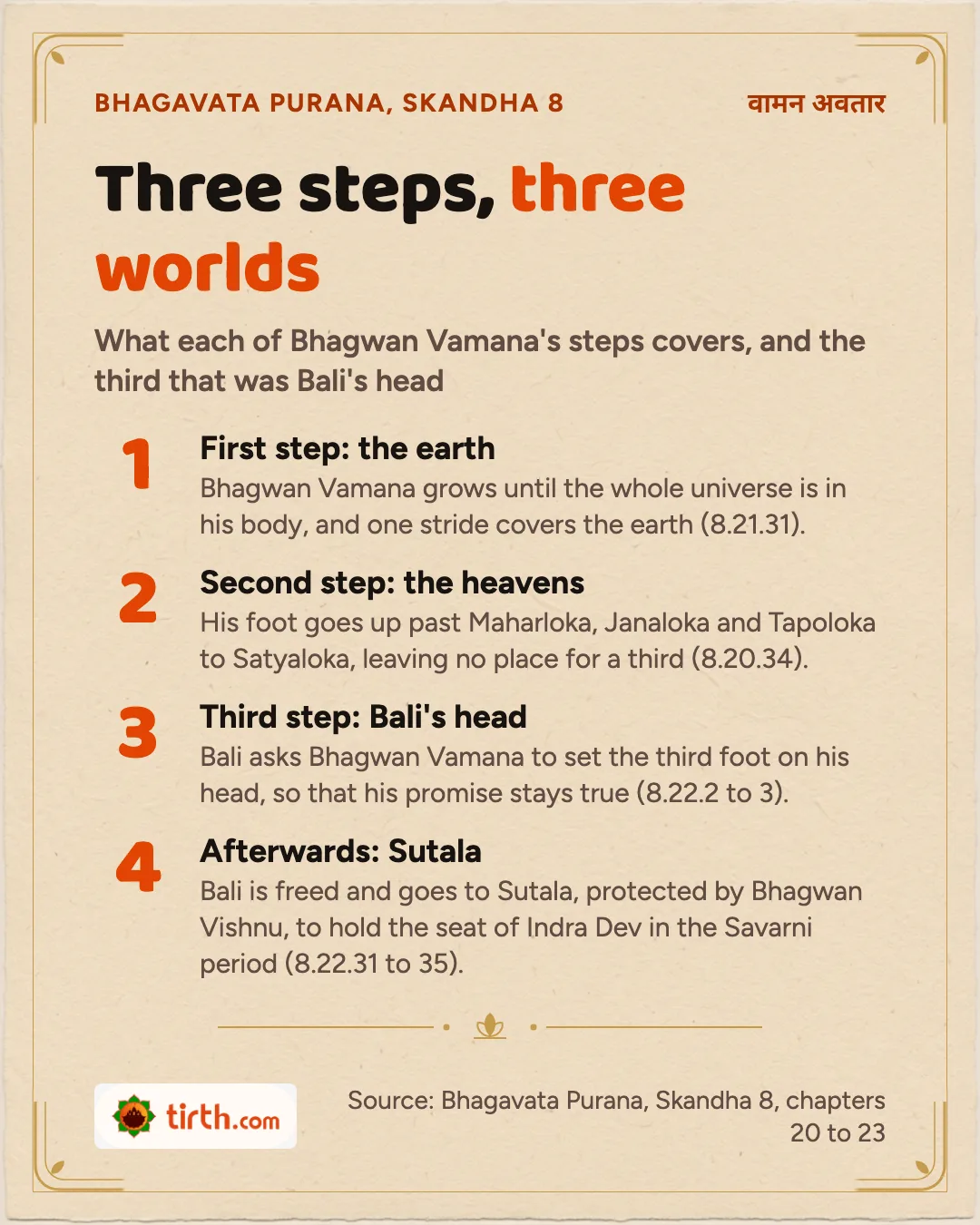
In this striding form the Bhagavata calls him Urukrama and Trivikrama (8.23.29).
Calling the dwarf a cheat, Bali’s men attacked against Bali’s own will, and Bhagwan Vishnu’s attendants drove them back. Bali sent them away. Time was against them now, he told them (8.21.9 to 24).
On the soma-pressing day Bali was tied up by Garuda Dev with Varuna Dev’s ropes (8.21.26).
Now Bhagwan Vamana asked. Two steps had covered everything, so where was the third one supposed to go, when one who fails a promise goes down to the hellish worlds (8.21.28 to 34).
Put it on my head, Bali said. His promise would not be false. Disgrace frightened him more than loss, ropes or hell (8.22.2 to 3).
Prahlada came next, like the moon rising, as the Bhagavata puts it (8.22.12), and told Bhagwan Vamana that taking Bali’s riches had been a mercy (8.22.16). Vindhyavali begged as well, and Bhagwan Brahma asked for Bali to be let go (8.22.19 to 23).
Bhagwan Vamana’s reply is the part I would underline. Wealth makes a person dull and defiant, so he first takes it from one he favours. And Bali had held on to truth after losing his wealth, his position and even his guru’s regard (8.22.24 to 30).
Did Bali go to hell or to Sutala?
Shukracharya had warned of hell. What Bali actually got was Sutala, a world built by Bhagwan Vishvakarma. Or rather Sutala and a lot more.
Sutala is free from fatigue, defeat and sorrow. Bali would be protected there and would always see Bhagwan Vishnu, and after that he would be Indra Dev in the period of Manu Savarni (8.22.31 to 35).
He bowed and the ropes came off. With Prahlada beside him he went into Sutala (8.23.3 to 12). Shukracharya mended the faults in Bali’s yajna and Indra Dev got the three worlds back (8.23.18 to 28).
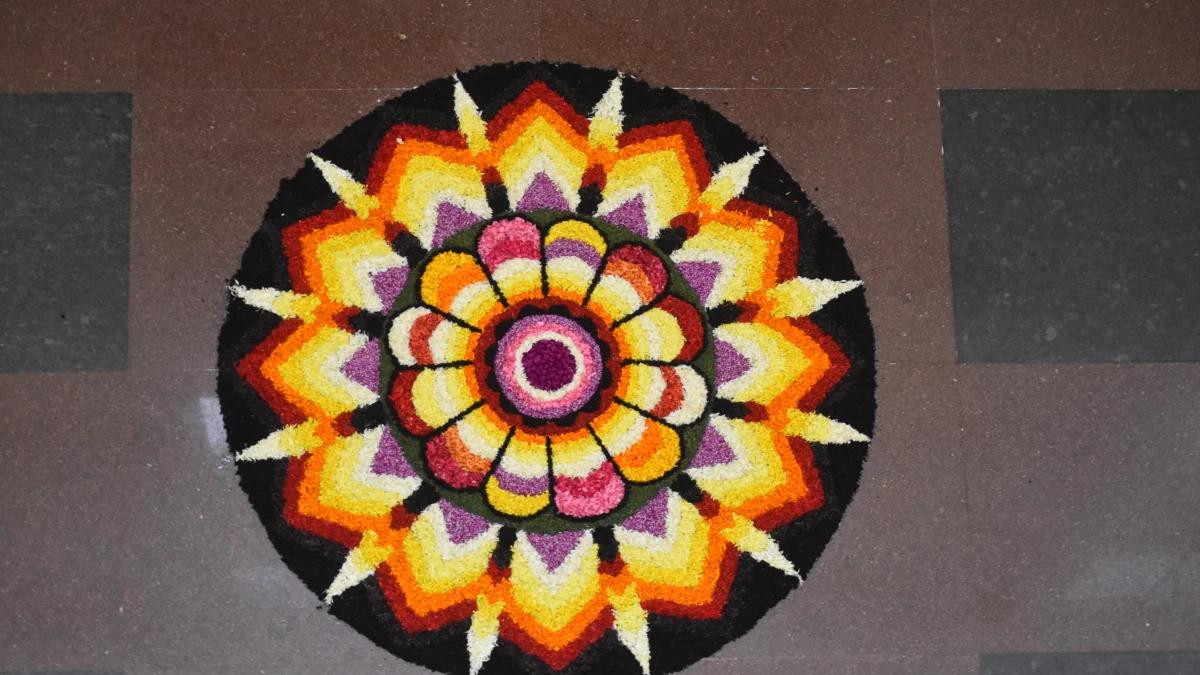
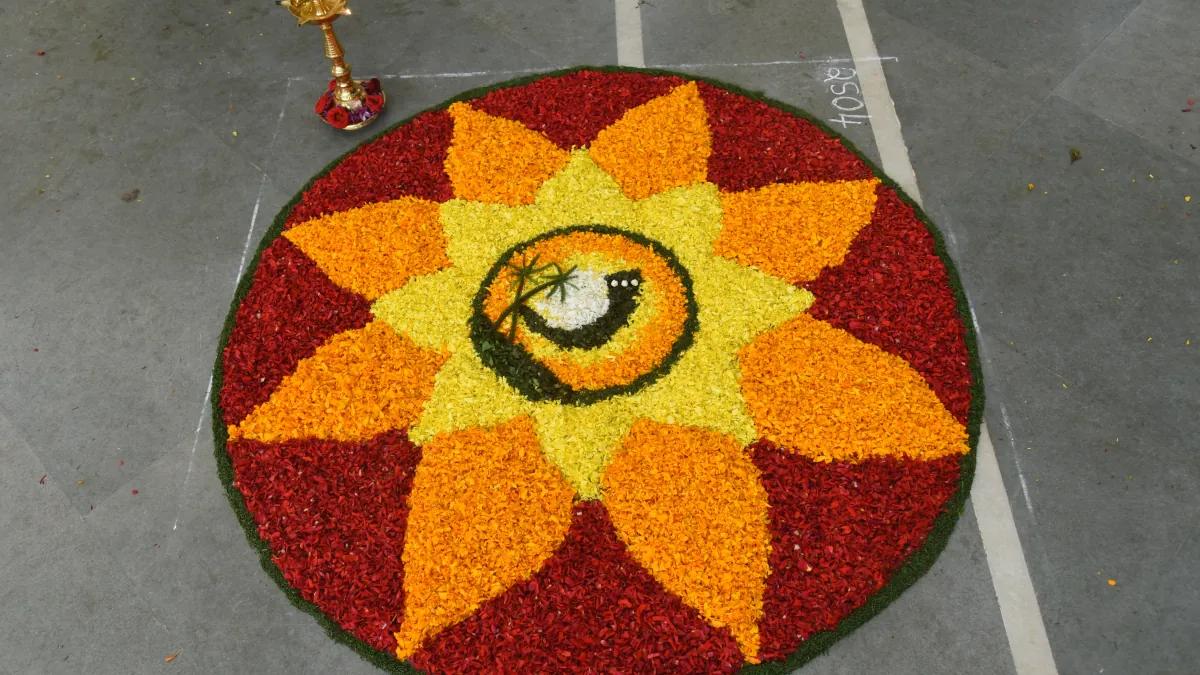
Bali’s yearly visit to the earth comes later, from Kerala’s Onam and the Bali Pratipada custom, and is not in these chapters.
Which days and temples keep Bali’s name?
Maharashtra calls the day Bali Padva, and it recalls Bhagwan Vamana’s victory over Bali. For 2026, Bali Pratipada and Govardhan Puja share Kartika Shukla Pratipada, Tuesday, 10 November in New Delhi. Some panchangs, Mumbai listings among them, give Monday, 9 November instead. So check Govardhan Puja and Bali Pratipada for your city on the Tirth Spiritual Calendar.
For the rest of that week read the five days of Diwali. Bali shares his day with Govardhan Puja.
Kerala knows Bali as Mahabali. The Thrikkakara Vamanamoorthy Temple in Ernakulam district is Kerala’s best-known Bhagwan Vamana temple. One of the 108 Divya Desams, with a statue of Mahabali on its grounds.
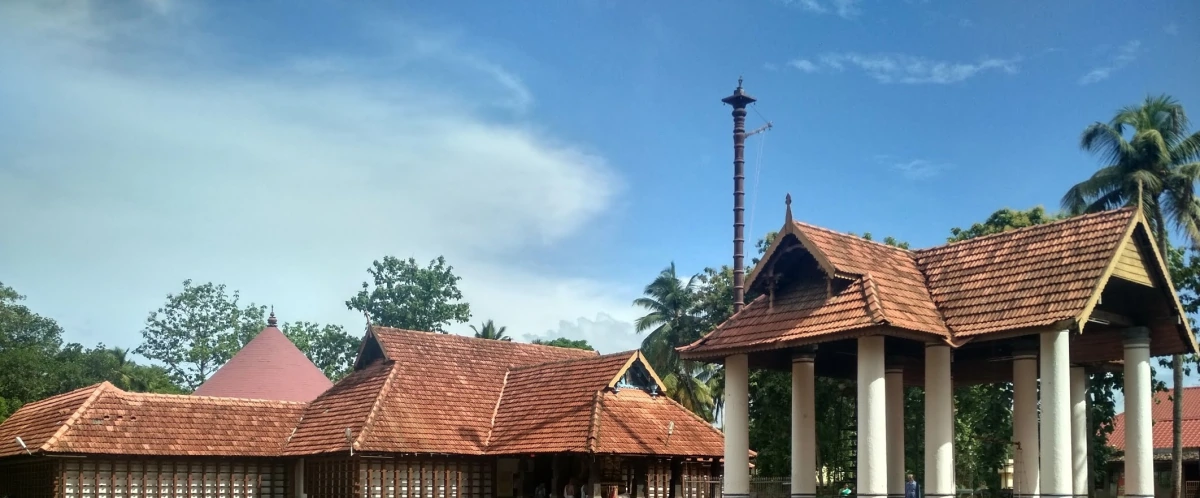
Want to stand before Bhagwan Vishnu yourself? Pick your next temple on Tirth’s temple pages, Temple page on Tirth.
Frequently asked questions
As he tells Bali, a wise brahmana takes only what he needs (8.19.16 to 27).
His own head. That way his promise stayed true (8.22.2 to 3).
Sutala, under Bhagwan Vishnu’s protection. He stays there until he becomes Indra Dev in the period of Manu Savarni (8.22.31 to 35).
Yes, in the usual Dashavatara list. The Bhagavata’s own list of 22 counts him fifteenth though (1.3.19).
Continue on Tirth
- Bhagwan Vamana, Deity page on Tirth: the fifth avatar of the Dashavatara, and the boy who came to Bali’s yajna.
- Onam in Kerala: how Kerala keeps the story of Mahabali.
- Bhagwan Vishnu mantras: a few to keep for prayer at home.