Spiritual tourism is becoming one of the most meaningful travel trends in the world today. If you have ever wondered What is spiritual tourism, why it matters, and why it is growing rapidly, especially in India, this comprehensive guide will help you understand everything in detail.
In this article, we will explore the spiritual tourism meaning, its benefits, different types of spiritual tourism, the rapid growth of spiritual tourism in India, important statistics, government initiatives, and what the future holds for this powerful travel movement.
What is Spiritual Tourism? Understanding the True Meaning
Spiritual Tourism Meaning in Modern Context
So, what is spiritual tourism?
Spiritual tourism refers to travel that focuses on inner peace, self-discovery, religious devotion, or spiritual awakening. Unlike traditional vacations that center around entertainment or luxury, spiritual tourism aims to nourish the soul and promote personal growth.
The spiritual tourism meaning includes visits to sacred places, meditation retreats, yoga centers, pilgrimage routes, and wellness destinations. It blends ancient traditions with modern mindfulness practices.
Today, people travel not only to see new places but to reconnect with themselves, seek purpose, and find emotional balance.
Difference Between Religious and Spiritual Tourism
Although often used interchangeably, there is a difference between religious tourism and spiritual tourism:
- Religious tourism focuses on rituals, worship, and devotion related to a specific religion.
- Spiritual tourism focuses on inner growth, meditation, mindfulness, and self-exploration.
For example, visiting a temple for prayer is religious tourism. Attending a meditation retreat for self-awareness is spiritual tourism. In India, both forms often overlap.
Why Spiritual Tourism is Gaining Global Popularity
Rise of Wellness and Mindfulness Travel
Modern life is fast, stressful, and overwhelming. People are constantly connected to technology and facing pressure from work and personal life. Spiritual tourism offers an escape from this chaos.
Travelers today are looking for:
- Digital detox
- Mental peace
- Holistic healing
- Meaningful experiences
- Personal transformation
Yoga, meditation, and Ayurveda have gained global recognition. As the birthplace of these traditions, India has naturally become a preferred destination.
Post-Pandemic Travel Trends
After the COVID-19 pandemic, many people began reevaluating their life priorities. Health, mental well-being, and spiritual growth became more important than luxury travel.
This shift significantly boosted spiritual tourism in India, as travelers began choosing journeys that offer emotional healing and deeper purpose.
Spiritual Tourism in India: A Sacred Heritage
India has been a center of spirituality for thousands of years. It is home to major religions such as Hinduism, Buddhism, Jainism, and Sikhism. The country’s sacred rivers, temples, monasteries, and ashrams attract millions of visitors each year.
Ancient Pilgrimage Traditions
India has well-established pilgrimage circuits such as:
- Char Dham Yatra
- 12 Jyotirlingas
- Buddhist Circuit
- Sikh Panj Takht
These routes form the foundation of spiritual tourism in India and contribute significantly to domestic travel.
Major Spiritual Destinations in India
Some of the most popular destinations include:
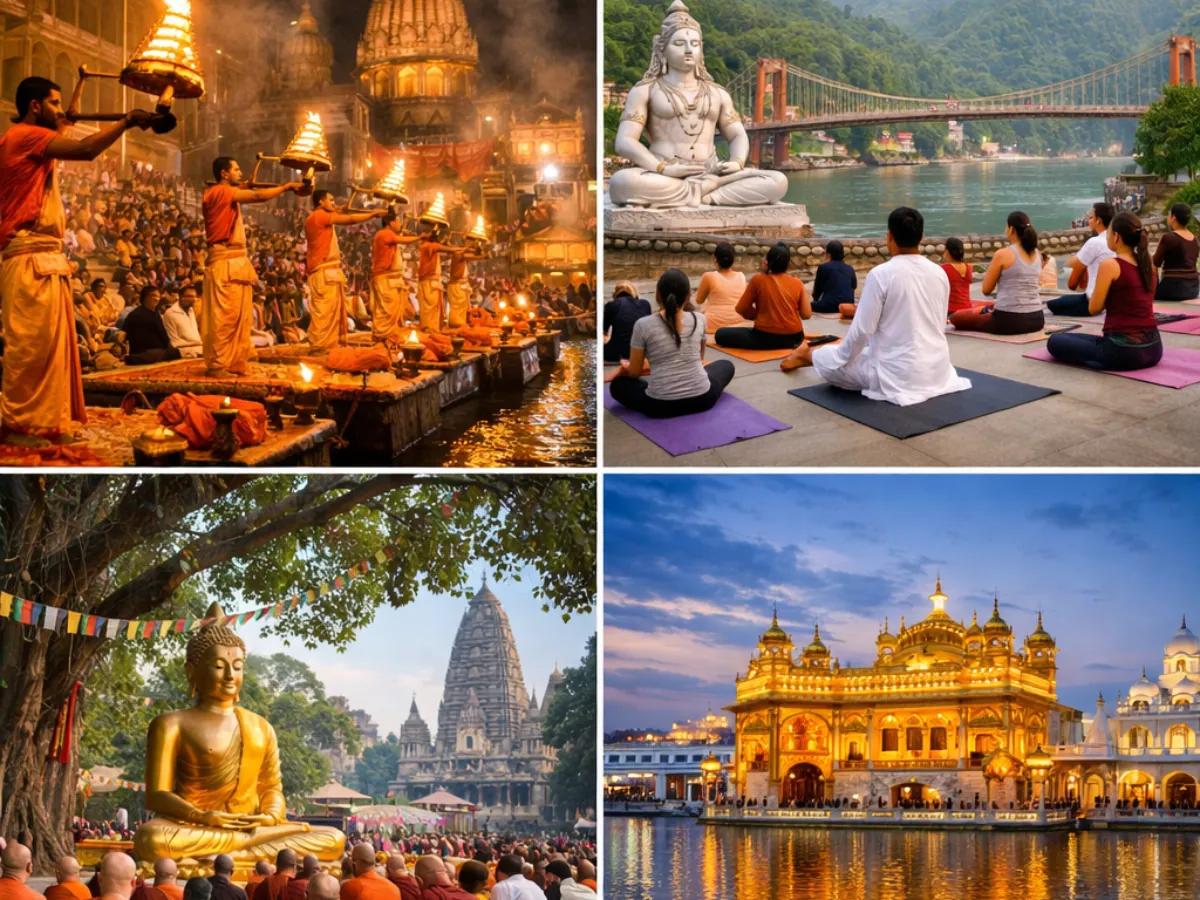
- Varanasi – Known for the Ganga Aarti and Kashi Vishwanath Temple.
- Rishikesh – Famous as the Yoga Capital of the World.
- Bodh Gaya – The place where Gautama Buddha attained enlightenment.
- Golden Temple, Amritsar – A symbol of equality and devotion in Sikhism.
- Tirupati – One of the most visited pilgrimage sites in the world.
- Vaishno Devi – A sacred shrine in the Himalayas.
Each of these destinations plays a vital role in strengthening the spiritual tourism market India.
Benefits of Spiritual Tourism
The benefits of spiritual tourism go far beyond sightseeing. It impacts individuals, communities, and the economy.
1. Emotional and Mental Healing
Spiritual travel promotes mental peace and emotional balance. Meditation, prayer, and quiet reflection help reduce stress and anxiety.
2. Personal Growth and Self-Discovery
Many travelers report feeling transformed after spiritual journeys. They gain clarity, purpose, and a stronger sense of direction in life.
3. Cultural Understanding
Spiritual tourism allows visitors to experience diverse traditions, rituals, and philosophies. It promotes tolerance and global harmony.
4. Economic Development
The growth of spiritual tourism in India creates employment opportunities in:
- Hospitality
- Transportation
- Local handicrafts
- Tour operations
- Temple and heritage management
5. Infrastructure Improvement
Government investments in pilgrimage routes improve roads, railways, airports, and digital systems.
Types of Spiritual Tourism
There are different types of spiritual tourism, each offering unique experiences.
1. Pilgrimage Tourism
This is the most traditional form. Devotees travel to sacred sites to fulfill religious duties or seek blessings.
Examples include:
- Kedarnath
- Tirupati Balaji
- Vaishno Devi
- Somnath Temple
2. Yoga and Meditation Tourism
Travelers attend short-term or long-term retreats focused on:
- Hatha Yoga
- Vipassana Meditation
- Pranayama
- Mindfulness practices
Rishikesh and Kerala are major hubs for such retreats.
3. Wellness and Ayurveda Tourism
Ayurveda therapies, detox programs, and holistic healing centers attract international tourists seeking natural treatments.
4. Festival-Based Spiritual Tourism
Major religious festivals draw millions of participants, including:
- Kumbh Mela
- Rath Yatra
- Diwali celebrations
- Guru Nanak Jayanti
These events significantly contribute to spiritual tourism statistics India.
Growth of Spiritual Tourism in India
The growth of spiritual tourism in India has been remarkable over the past decade.
Spiritual Tourism Statistics India
Some important insights include:
- Pilgrimage travel accounts for over 60% of domestic tourism.
- Major temples receive millions of visitors annually.
- The Buddhist Circuit attracts increasing international travelers.
- Religious festivals generate large-scale domestic travel movements.
These numbers show that spiritual tourism is not a niche sector; it is a powerful contributor to the tourism industry.
Spiritual Tourism Market India
The spiritual tourism market India is expanding rapidly due to:
- Improved infrastructure
- Online darshan booking systems
- Better connectivity to remote pilgrimage sites
- Growing global awareness of yoga and meditation
The market includes transportation services, accommodation, guided tours, wellness centers, and digital travel platforms.
Government Initiatives for Spiritual Tourism
The Indian government actively supports the sector through:
- PRASHAD Scheme (Pilgrimage Rejuvenation and Spiritual Heritage Augmentation Drive)
- Swadesh Darshan Scheme
- Development of the Buddhist Circuit
- Improved railway connectivity for pilgrimage routes
These government initiatives for spiritual tourism strengthen infrastructure and ensure better facilities for travelers.
For official tourism updates, visit the Ministry of Tourism website: https://tourism.gov.in/
Future of Spiritual Tourism in India
The future of spiritual tourism in India looks promising.
Digital Transformation
Technology is transforming pilgrimage experiences through:
- Online bookings
- Virtual darshan
- Travel planning apps
- Digital donation systems
Sustainable Development
Authorities are focusing on:
- Crowd management
- Eco-friendly infrastructure
- Heritage conservation
- Community involvement
Younger generations are increasingly interested in mindfulness and conscious travel, further boosting demand.
Challenges Facing Spiritual Tourism
Despite rapid growth, some challenges remain:
- Overcrowding during peak seasons
- Environmental pressure on sacred sites
- Commercialization of religious spaces
- Limited infrastructure in remote areas
Balanced planning is essential to ensure long-term sustainability.
How to Plan a Spiritual Tour in India
To plan a successful spiritual journey:
- Identify your purpose (pilgrimage, meditation, wellness).
- Choose the right destination.
- Travel during appropriate seasons.
- Respect local customs and traditions.
- Book reliable travel services in advance.
FAQs on Spiritual Tourism
1. What is spiritual tourism in simple words?
It is travel focused on faith, inner peace, and personal growth rather than entertainment.
2. How is spiritual tourism different from religious tourism?
Religious tourism focuses on worship and rituals, while spiritual tourism includes meditation and self-discovery.
3. Why is spiritual tourism in India growing rapidly?
It is growing due to strong religious heritage, government support, improved infrastructure, and rising interest in wellness travel.
4. What are the benefits of spiritual tourism?
The benefits of spiritual tourism include mental peace, cultural understanding, personal growth, and economic development.
5. What is the spiritual tourism market India size?
The spiritual tourism market India is a major part of domestic tourism, with pilgrimage travel forming a significant share of total travel movement.
6. What is the future of spiritual tourism?
The future of spiritual tourism looks bright with digital transformation, sustainable initiatives, and growing global interest in mindfulness.
Conclusion
Now you clearly understand What is spiritual tourism and why it is gaining importance worldwide. From ancient pilgrimages to modern yoga retreats, spiritual tourism offers meaningful travel experiences that transform lives.
The steady growth of spiritual tourism in India, supported by strong cultural roots and government initiatives, positions the country as a global spiritual hub.
As travelers continue seeking purpose-driven journeys, the future of spiritual tourism will only expand further.
Ready to Start Your Spiritual Journey?
Planning your next sacred trip? Explore customized spiritual travel packages India and seamless pilgrimage experiences with Tirth.
Whether it’s Char Dham, Varanasi, Kedarnath, or a peaceful retreat in Rishikesh let Tirth handle the details while you focus on your spiritual experience.
Start your journey today and travel with purpose.