In many Indian homes, faith does not always announce itself loudly. Sometimes it sits quietly in a corner of the kitchen, in a small steel plate with fruits and flowers. Shashti Vrat is one such observance gentle, personal, and deeply rooted in a mother’s heart.
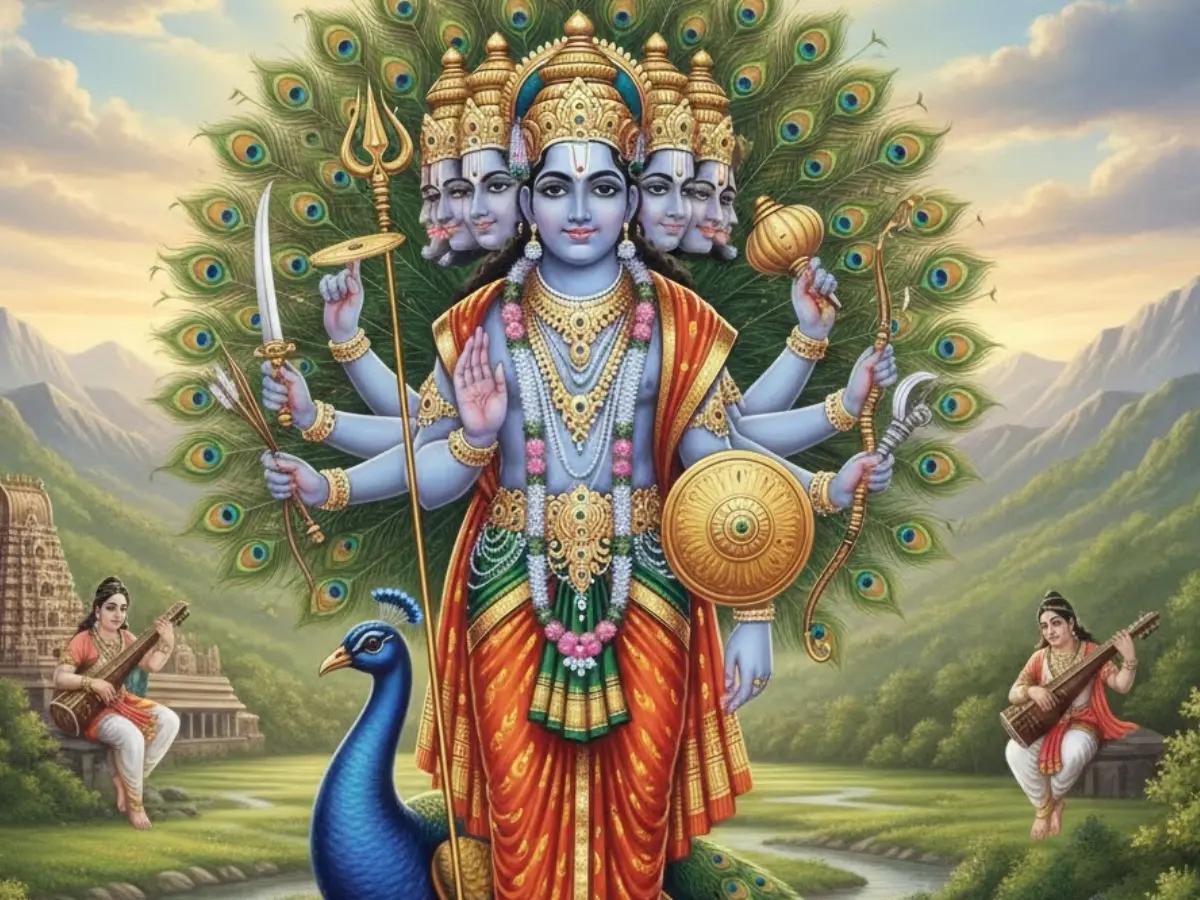
Observed on the sixth day (Shashti Tithi) of the lunar month, Shashti Vrat is primarily dedicated to Lord Skanda (Kartikeya) and Goddess Shashti, the divine protector of children. For generations, women have observed this vrat praying for the health, longevity, and well-being of their children born, unborn, or yet to come.
| Month | Date | Day | Paksha | Shashti Name |
| January | 24 January 2026 | Saturday | Shukla | Skanda Shashti |
| February | 22 February 2026 | Sunday | Shukla | Skanda Shashti |
| March | 24 March 2026 | Tuesday | Shukla | Skanda Shashti |
| April | 22 April 2026 | Wednesday | Shukla | Skanda Shashti |
| May | 21 May 2026 | Thursday | Shukla | Skanda Shashti |
| June | 19 June 2026 | Friday | Shukla | Skanda Shashti |
| July | 19 July 2026 | Sunday | Shukla | Skanda Shashti |
| August | 17 August 2026 | Monday | Shukla | Skanda Shashti |
| September | 16 September 2026 | Wednesday | Shukla | Skanda Shashti |
| October | 16 October 2026 | Friday | Shukla | Skanda Shashti |
| November | 15 November 2026 | Sunday | Shukla | Skanda Shashti |
| December | 15 December 2026 | Tuesday | Shukla | Skanda Shashti |
Who is Goddess Shashti?
Goddess Shashti is considered a nurturing yet powerful deity. She is believed to watch over infants and young children, guarding them during the most fragile stages of life.
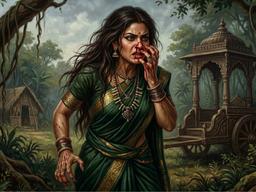
In folk belief, she is often imagined riding a cat, moving silently from home to home, blessing those who remember her with devotion. Mothers speak of her not with fear, but with familiarity as someone who understands the worries that surface late at night when a child has a fever or refuses to eat.
Lord Skanda, also associated with Shashti Vrat, represents strength, protection, and courage qualities every parent silently wishes for their child.
When is Shashti Vrat Observed?
Shashti Vrat falls on the sixth lunar day after Amavasya or Purnima, depending on regional tradition. Many women observe it:
- On Shukla Paksha Shashti
- On specific Shashti days like Skanda Shashti
- After childbirth, as part of traditional rituals
- During certain months considered auspicious for child welfare
In South India, Skanda Shashti holds special importance, while in North India, the vrat is often observed quietly at home without temple visits.
How Shashti Vrat is Observed
There is no single rigid rule for Shashti Vrat. That is what makes it intimate.
Most women observe a partial or full fast, depending on health and family tradition. The day begins early, with cleaning the home and bathing before sunrise if possible.
Common Ritual Practices
- A small puja setup with turmeric, kumkum, flowers, fruits, and sweets
- Offering seasonal fruits and homemade food
- Lighting a diya and reciting Shashti Vrat Katha
- Remembering children’s names during prayers
- Avoiding anger, harsh words, and negative thoughts for the day
In some households, food is offered first to children or young girls before the fast is broken a symbolic reminder of why the vrat is observed in the first place.
Shashti Vrat Katha: A Story of Faith and Remembrance
The Shashti Vrat Katha often speaks of a mother who, in moments of hardship, forgets her vows. When she remembers Goddess Shashti with sincerity and humility, her children are protected and restored to health.
The story is less about miracles and more about awareness a reminder that gratitude and faith must walk together.
Many women say the katha aloud, not for the gods to hear, but for themselves as reassurance during difficult phases of motherhood.
Why Shashti Vrat Still Matters Today
In modern life, parenting is filled with medical reports, schedules, and constant worry. Shashti Vrat offers something that no report can provide emotional grounding.
It allows a mother to pause.
To pray without explaining herself.
To believe, even briefly, that someone divine is listening.
Whether one believes literally or symbolically, the vrat carries the energy of care, responsibility, and silent strength.
Can Unmarried Women Observe Shashti Vrat?
Yes. In many families, unmarried women observe Shashti Vrat with prayers for:
- A healthy future family
- Protection of younger siblings
- Blessings for motherhood when the time comes
Faith, after all, is not limited by status. It flows where intention is sincere.
Breaking the Fast
The vrat is usually broken after sunset or after completing the evening puja. Simple food is preferred often without onion and garlic. More than the food, it is the feeling of relief and quiet fulfillment that stays.
A Vrat Passed Through Generations
Shashti Vrat is rarely written in big calendars. It survives through grandmothers’ reminders, mothers’ routines, and stories shared during slow afternoons.
It is not about perfection.
It is about showing up again and again with hope folded into prayer.
And perhaps that is why, even today, Shashti Vrat continues… quietly, faithfully, lovingly.
For additional information on related topics, refer to Tirth.com