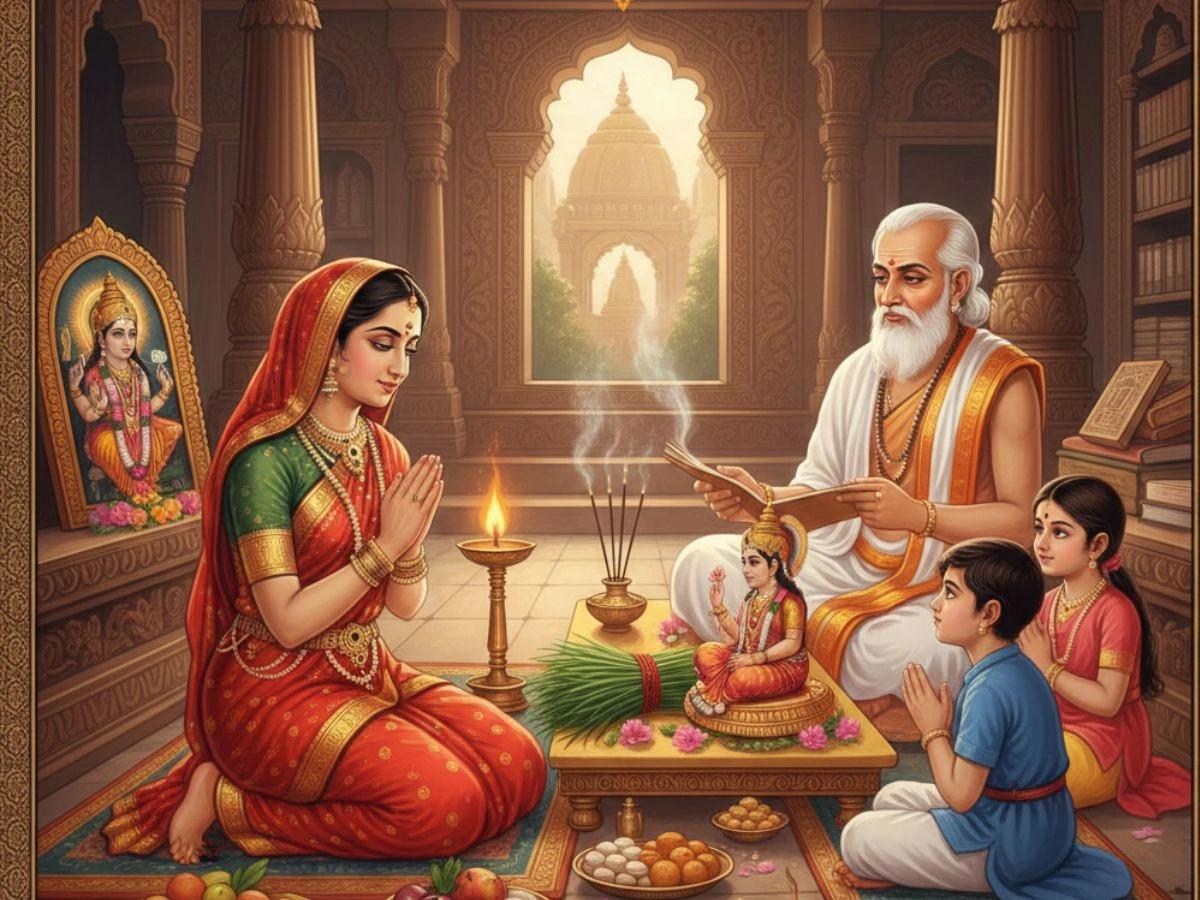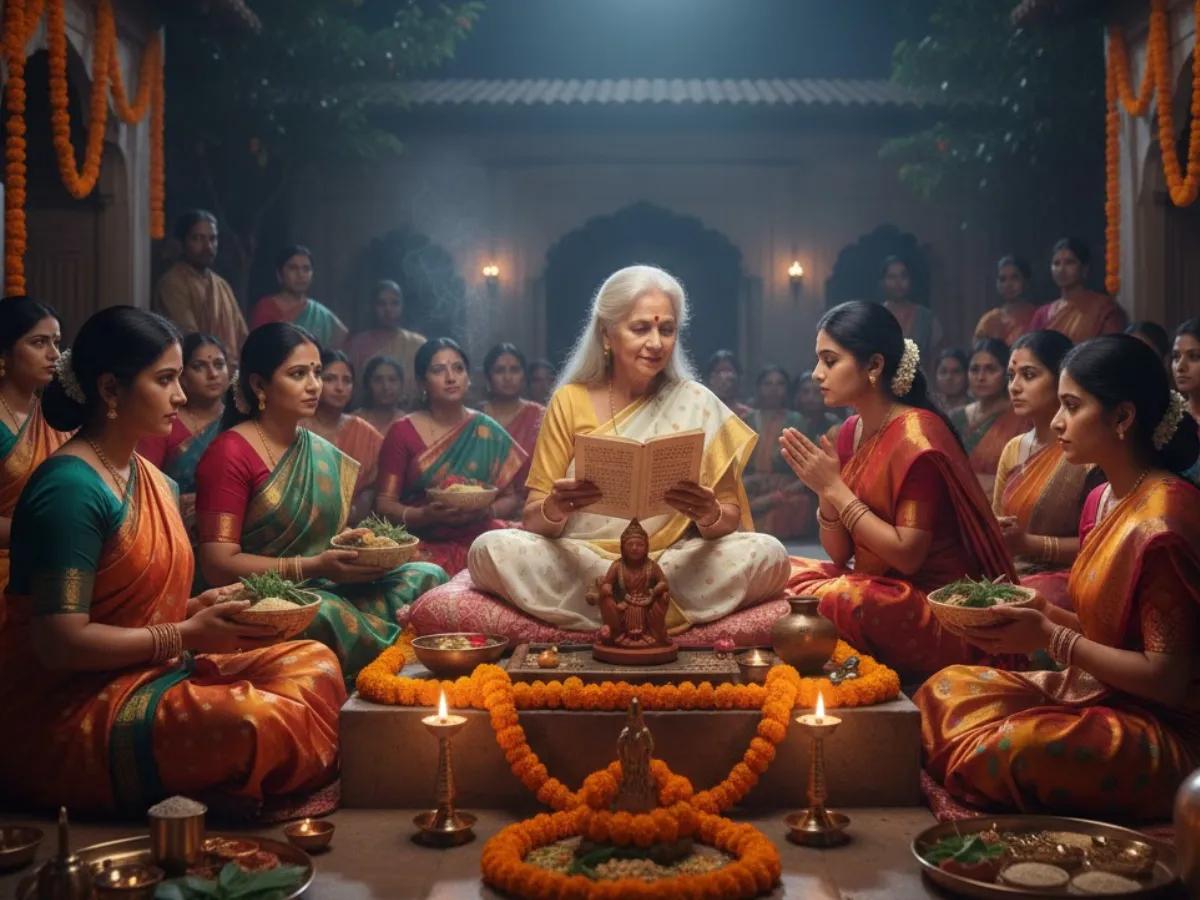
Purnima simply means the full moon. Complete. Whole. Nothing missing. In the Hindu calendar, this day comes once every month. And each time it does, people somewhere are fasting, whispering prayers, tying small red threads, lighting diyas that flicker in the wind. I’ve seen old women in Varanasi wake up before sunrise on Purnima, bathe in cold water without complaint, and sit quietly with their beads. No drama. No show. Just devotion.The Purnima Vrat Katha is the sacred story recited on this day. It gives meaning to the fast. It reminds people why they are hungry and why they are hopeful.
पूर्णिमा (Purnima) तिथियाँ – वर्ष 2026
| क्रम | पूर्णिमा का नाम | तिथि | दिन |
| 1 | पौष पूर्णिमा | 3 जनवरी 2026 | शनिवार |
| 2 | माघ पूर्णिमा | 1 फरवरी 2026 | रविवार |
| 3 | फाल्गुन पूर्णिमा | 3 मार्च 2026 | मंगलवार |
| 4 | चैत्र पूर्णिमा | 2 अप्रैल 2026 | गुरुवार |
| 5 | वैशाख पूर्णिमा | 1 मई 2026 | शुक्रवार |
| 6 | ज्येष्ठ अधिक पूर्णिमा | 31 मई 2026 | रविवार |
| 7 | ज्येष्ठ पूर्णिमा | 29 जून 2026 | सोमवार |
| 8 | आषाढ़ पूर्णिमा | 29 जुलाई 2026 | बुधवार |
| 9 | श्रावण पूर्णिमा | 28 अगस्त 2026 | शुक्रवार |
| 10 | भाद्रपद पूर्णिमा | 26 सितंबर 2026 | शनिवार |
| 11 | अश्विन पूर्णिमा (शरद पूर्णिमा) | 26 अक्टूबर 2026 | सोमवार |
| 12 | कार्तिक पूर्णिमा | 24 नवंबर 2026 | मंगलवार |
| 13 | मार्गशीर्ष पूर्णिमा | 23 दिसंबर 2026 | बुधवार |
पूर्णिमा व्रत कथा
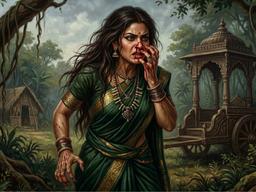
बहुत समय पहले की बात है। एक नगर में एक गरीब व्यापारी रहता था। उसकी आर्थिक स्थिति बहुत कमजोर थी। मेहनत करता, पर धन टिकता नहीं था। घर में हमेशा कलह और चिंता बनी रहती थी।
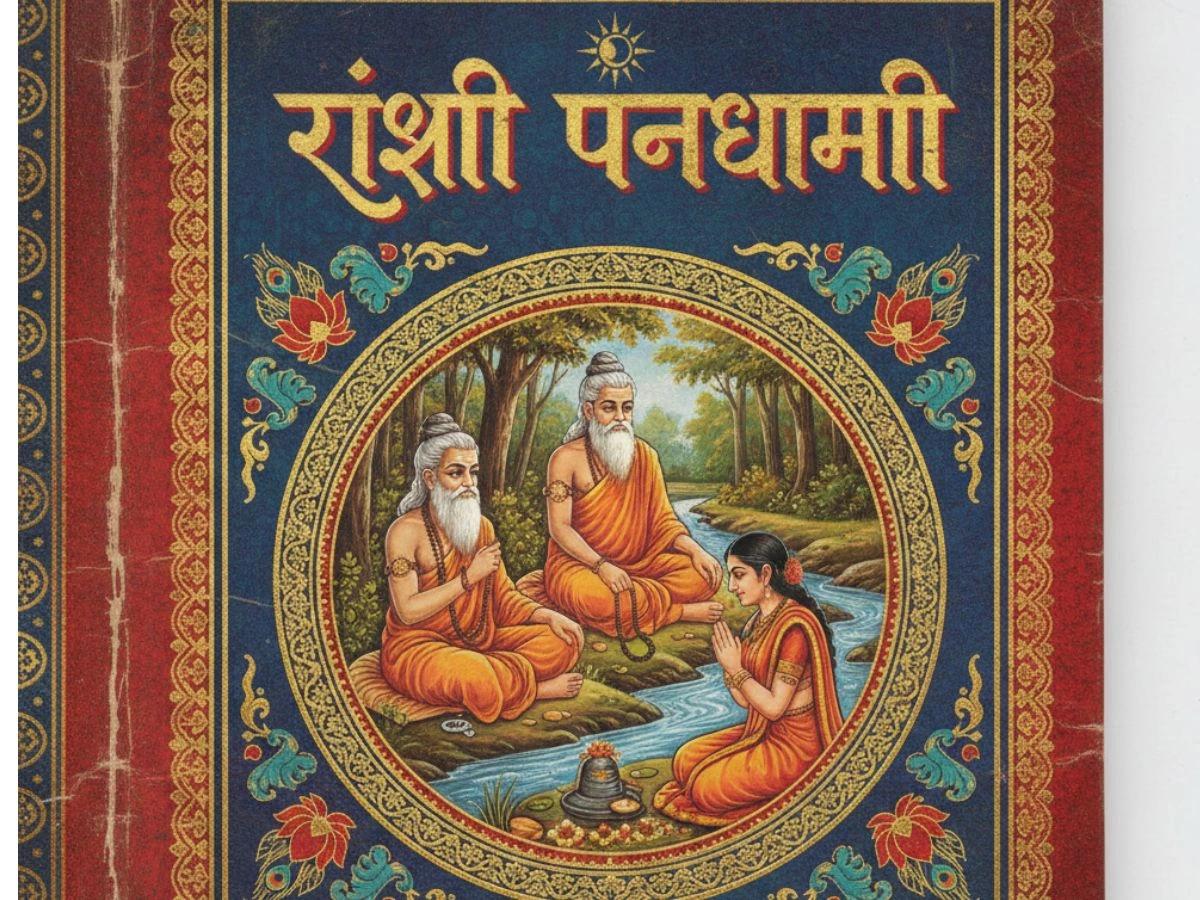
एक दिन वह एक संत से मिला। संत ने उसकी व्यथा सुनी और कहा
“तुम हर महीने पूर्णिमा का व्रत रखो, भगवान विष्णु की पूजा करो और सायंकाल सत्यनारायण की कथा सुनो। श्रद्धा से किया गया व्रत कभी व्यर्थ नहीं जाता।”
व्यापारी ने उसी दिन से व्रत रखना शुरू कर दिया। वह सुबह स्नान कर संकल्प लेता, दिन भर उपवास करता और शाम को दीपक जलाकर भगवान विष्णु की पूजा करता।
पहली पूर्णिमा पर उसने साधारण फल और गुड़ से प्रसाद बनाया। दूसरी बार थोड़ा सा मीठा चावल। धीरे-धीरे उसके मन में शांति आने लगी। घर का वातावरण भी बदलने लगा।
कुछ ही महीनों में उसका व्यापार बढ़ने लगा। धन आने लगा, पर अब वह पहले जैसा लालची नहीं रहा। हर पूर्णिमा को वह दान भी करने लगा।
एक दिन भगवान विष्णु ने स्वप्न में दर्शन दिए और कहा
“वत्स, तुमने सच्चे मन से व्रत किया। तुम्हारे घर में अब कभी अभाव नहीं रहेगा।”
सुबह उठकर उसने परिवार को सब बताया। उस दिन से उसके जीवन में स्थायी सुख और संतोष आ गया।
Spiritual Importance of Purnima Vrat Katha
Let’s be honest fasting is not easy. Skipping tea alone feels like punishment to some of us.
So why do people still do it?Because the Purnima Vrat Katha isn’t just about not eating. It’s about pausing. About cleaning the inside, not just the outside.
On Purnima, many believe the spiritual energy is stronger. The moon is full, and so is possibility. People say wishes made tonight travel faster. I don’t know if that’s scientifically provable but I’ve seen enough faith filled faces under that moonlight to respect the belief.
Connection with Lord Vishnu and Goddess Lakshmi
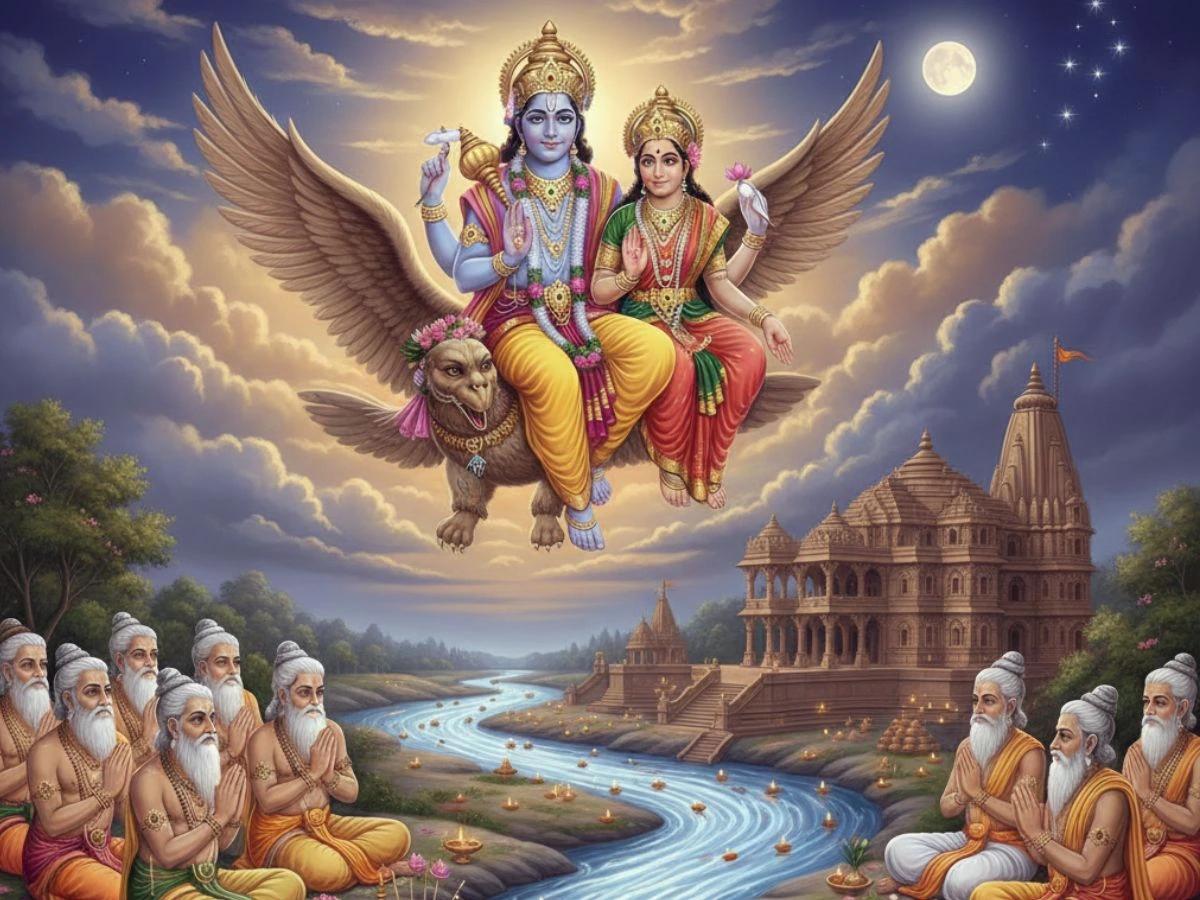
In many homes, Lord Vishnu and Goddess Lakshmi are worshipped on this day.
You’ll see a small brass idol, maybe slightly tarnished with age, placed carefully on a clean cloth. Flowers around it. A diya in front. Sometimes the electricity goes off, and the lamp becomes the only light in the room. Somehow, that makes it more powerful. The stories say that Vishnu protects the universe, and Lakshmi blesses homes with prosperity. But here’s what I’ve noticed when families sit together for the katha, when they share prasad afterward, there’s already prosperity there. Not just money. Peace.
And maybe that’s the real blessing.
Role of the Moon in Hindu Dharma
The moon has always been linked to the mind in Hindu thought. Have you noticed how emotions feel louder during a full moon? Maybe it’s coincidence. Maybe not. Farmers watch the moon. Fishermen trust it. Even doctors admit the lunar cycle affects sleep patterns. NASA talks about tides being influenced by gravity and we’re mostly water too, aren’t we?
So fasting on a full moon feels less mystical and more… intuitive.
Lessons from the Sacred Narrative
This story doesn’t shout. It gently suggests:
- Stay faithful, even when it’s inconvenient.
- Give, even when you have little.
- Gratitude changes the atmosphere of a home.
- Devotion is not about show it’s about sincerity.
It’s almost embarrassingly simple. And yet, so hard to practice.
Types of Purnima Vrat Observed in India
Not all full moons feel the same.
Sharad Purnima
Sharad Purnima nights are magical. People leave bowls of kheer under the moonlight, believing the rays carry nectar like blessings.
As a child, I remember peeking at that bowl, half worried a cat would get to it first. But the next morning, eating that slightly cool, moon bathed kheer felt special. Sacred, even.
Kartik Purnima
Kartik Purnima is bigger. Grand ghats, temple bells, river dips before sunrise.
In places like Pushkar or Varanasi, you’ll see thousands gathered. Some shivering in cold water. Some crying softly while praying. Faith becomes visible there.
Guru Purnima
This one is quieter. It’s about gratitude to teachers spiritual or otherwise. Touching the feet of a guru. Or even calling up an old school teacher and saying, “Thank you.”
Simple gestures. Deep impact.
Rituals and Puja Vidhi of Purnima Vrat
Rituals vary from home to home. No two families do it exactly the same way.
Morning Preparations
Wake up early. Bathe. Clean the prayer area.
Some people observe a strict fast no water even. Others have fruits and milk. Some elderly devotees just avoid grains. And honestly? Intent matters more than intensity.
Evening Puja Procedure
As evening falls, the house feels different.
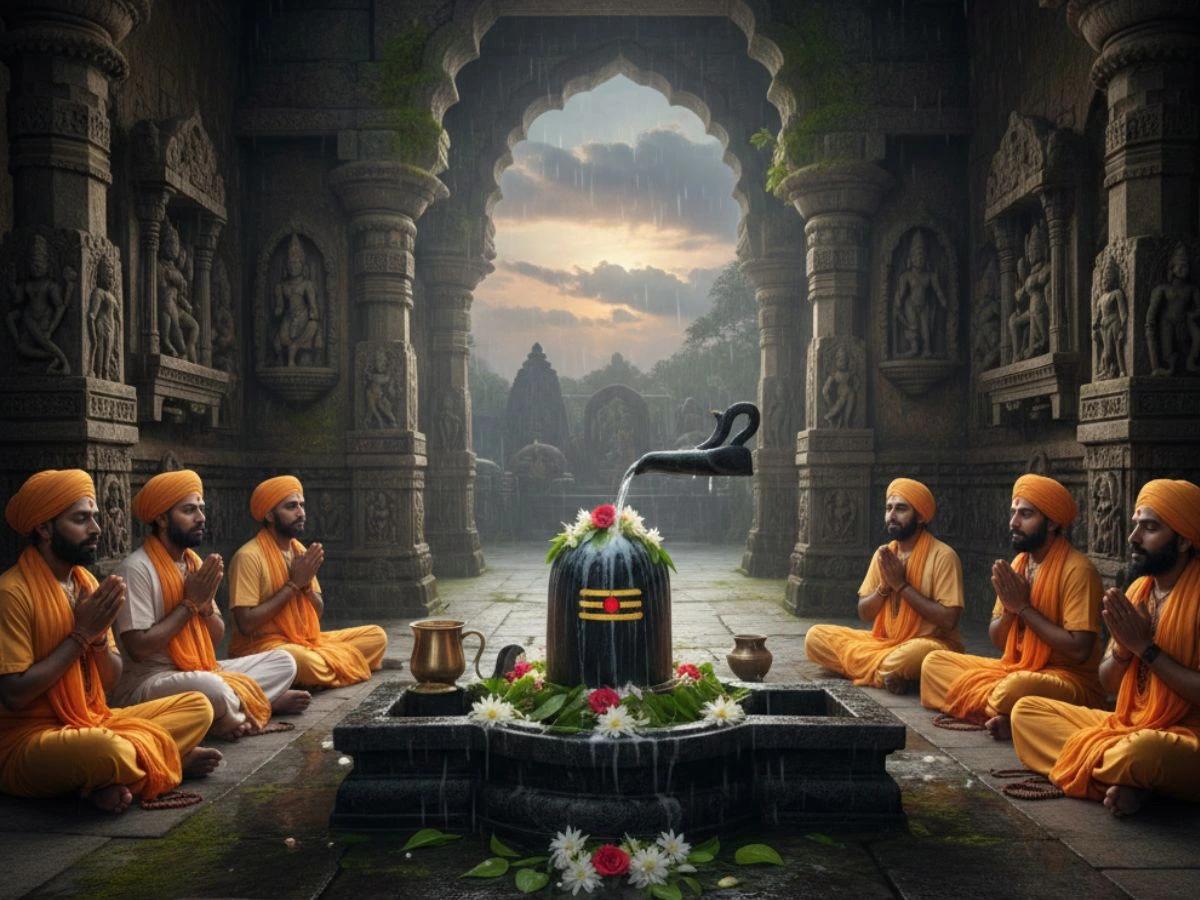
A diya is lit. Incense curls into the air. The katha is read aloud sometimes confidently, sometimes with mispronounced Sanskrit that makes everyone smile. Offer fruits. Offer sweets. Offer your worries too. Then comes aarti. The flame circles slowly, and everyone sings not always in perfect tune, but with full heart. Afterward, prasad is shared. And conversations begin. That’s my favorite part.
Benefits of Observing Purnima Vrat
People say it brings prosperity.
Maybe it does.
But I’ve seen other benefits too:
- Families sitting together without phones.
- A day of discipline in a chaotic week.
- A reason to donate to someone in need.
- A pause from constant consumption.
Scientific Perspective Behind Full Moon Fasting
Modern science talks about circadian rhythms, sleep cycles, and hormonal shifts during lunar phases. Ancient traditions spoke about energy shifts. Different language. Same curiosity. And fasting, even outside religion, is now discussed in wellness circles. Intermittent fasting, detox routines we’ve just renamed what our grandparents quietly practiced.
Funny how that works.
Purnima Vrat in Modern Life
Life today is loud. Notifications, deadlines, traffic, constant noise. Yet on Purnima, some people still step onto their terraces, look up, and whisper a prayer. Maybe they don’t follow every ritual. Maybe they don’t read the full katha. But they pause. And sometimes, that’s enough.
Traditions survive not because they are strict, but because they adapt.
Frequently Asked Questions
1. Who can observe Purnima Vrat?
Anyone. Truly. There’s no membership card for devotion.
2. Is fasting compulsory?
No. Faith is not a hunger contest.
3. How often does it occur?
Once every month, when the moon is full.
4. Can it be done at home?
Yes. In fact, most people do it at home.
5. What should be donated?
Food, clothes, kindness. Even time.
6. What if I miss a month?
Then you begin again next month. No drama.
Conclusion
When I think about Purnima Vrat Katha, I don’t just think about rituals.I think about rooftops glowing under white moonlight. About grandmothers telling stories in slightly trembling voices. About quiet prayers spoken into the night air.
The full moon comes and goes. But the feeling it leaves that softness, that sense of being held by something larger stays. And maybe that’s the real vrat. Not the fasting.
For calendar-based details related to different vrats, see Tirth.com.