On this page8 sections
- The six akharas that initiate, and Agni Akhara’s brahmacharis
- Scripture and martial arts, the two aims behind an akhara
- Becoming a Naga sadhu, as akhara officers described it to PTI
- What has been written down about life inside an akhara
- Where Naga sadhus go once the Mela is over
- Watching for Naga sadhus at the next Haridwar Kumbh
- Frequently asked questions
- Continue on Tirth
- Sources and review
These Naga sadhus are ascetics who worship Bhagwan Shiva. The official Kumbh site describes them as specialists in the scriptures who are experts in the art of combat as well.
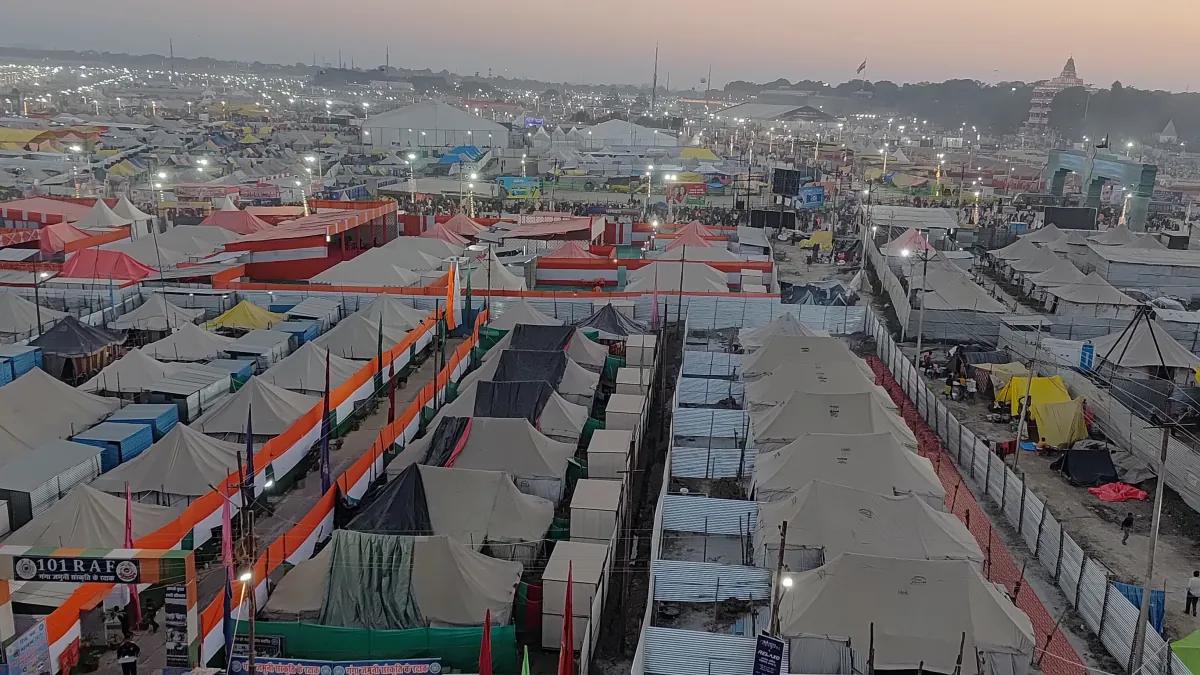
The 2025 Maha Kumbh in Prayagraj, Destination on Tirth had thirteen akharas, and the three groups that stood out among them were the Shaiva, the Vaishnav and the Udaseen. Naga sannyasis lead the Shaiva ones. PTI reported that there were seven Shaiva akharas and that six of them do Naga initiation.
In short
The official Kumbh site describes them as specialists in the scriptures who are experts in the art of combat as well. The 2025 Maha Kumbh in Prayagraj, Destination on Tirth had thirteen akharas, and the three groups that stood out among them were the Shaiva, the Vaishnav and the Udaseen.
The six akharas that initiate, and Agni Akhara’s brahmacharis
The akhara is the whole point. The official Kumbh site writes of a special type of akhara matha (monastery) made up of Naga sages, and it says each Naga sage is always associated with some akhara or the other.
The word akhara itself is said to come from akhand, meaning indivisible. The Mela site gives that derivation, and so does a January 2025 Ministry of Culture feature put out by the Press Information Bureau.
Naga initiation happens in Niranjani, Anand, Mahanirvani, Atal, Juna and Awahan. The seventh Shaiva akhara, Agni Akhara, keeps brahmacharis (celibate students) rather than Naga sadhus.
Juna is the largest akhara. On the Mela site’s list Niranjani and Mahanirvani follow it, and the Ministry of Culture feature counts Juna’s Naga sannyasis among the most revered participants at the Mela. Tirth lists every one on the thirteen akharas and where they camp.
Scripture and martial arts, the two aims behind an akhara
The Ministry of Culture’s January 2025 feature says the akharas were set up with two aims, spiritual learning through the scriptures and physical defence through martial arts.
Keep the second in mind. The same feature says the Naga sannyasis carry spears, swords and other traditional weapons in the Kumbh processions.
By tradition the akharas go back to Adi Shankaracharya. According to the Mela site, his attempt was to bring the ascetic organisations together so that the Sanatan way of life would be protected.
Becoming a Naga sadhu, as akhara officers described it to PTI
The officers who ran the initiation at Prayagraj are quoted in a PTI report from January 2025. Those quoted include Mahant Ravindra Puri of Niranjani Akhara, Hari Giri Maharaj of Juna Akhara and Mahant Yamunapuri Maharaj of Mahanirvani Akhara. A Mahamandleshwar of Awahan Akhara is quoted too.
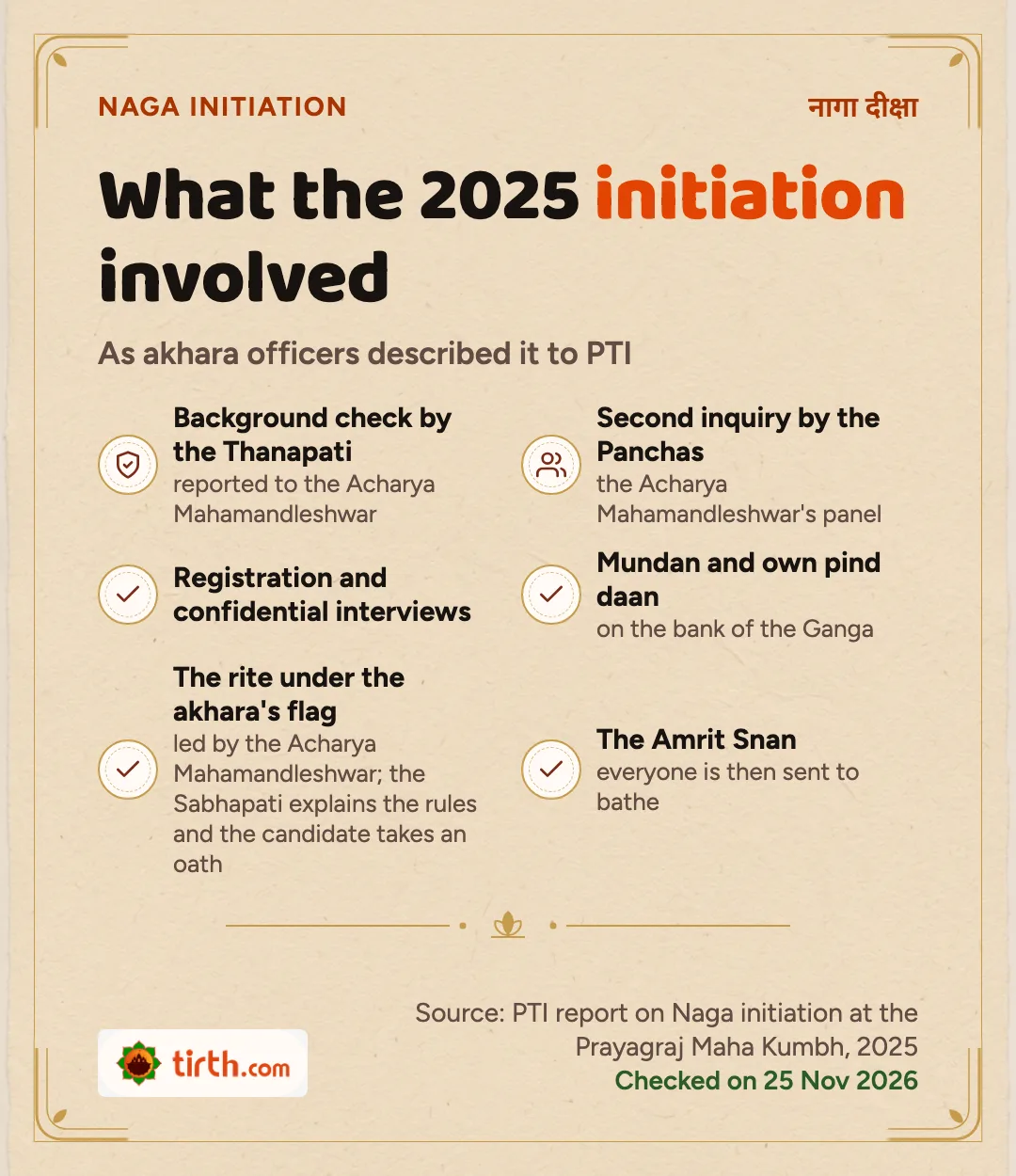
None of this happens fast. PTI says each application went through three stages of investigation, over approximately six months, before the process of making a Naga sadhu began. The reports give the steps but do not number them.
- The Thanapati checks the candidate’s background and reports to the Acharya Mahamandleshwar.
- The Acharya Mahamandleshwar’s Panchas investigate a second time.
- Registration, followed by confidential interviews with the candidate.
- Mundan (shaving of the head) and the candidate’s own pind daan on the bank of the Ganga.
- The rite under the akhara’s flag, led by the Acharya Mahamandleshwar, where the Sabhapati explains the akhara’s rules and the candidate takes an oath.
- Everyone is then sent for the Amrit Snan.
Look at the pind daan in that list. It is the offering of rice balls for those who have died, and PTI says the candidate makes it for themselves, at the Ganga’s bank, before the rite under the flag.
In PTI’s account the work is split between four offices.
| Office | Part in a Naga initiation, as akhara officers described it in 2025 |
|---|---|
| Thanapati | Checks the candidate’s background and reports to the Acharya Mahamandleshwar |
| Panchas | The Acharya Mahamandleshwar’s panel, which investigates the candidate a second time |
| Acharya Mahamandleshwar | Leads the rite under the akhara’s flag |
| Sabhapati | Explains the akhara’s rules before the candidate takes the oath |
What has been written down about life inside an akhara
Not much has been written down.
When it added the Kumbh Mela, Yatra on Tirth to its Representative List of the Intangible Cultural Heritage of Humanity, UNESCO wrote that the Mela’s primary bearers belong to akharas and ashrams or else live on alms. It also called the teacher and student relationship between sadhus in those ashrams and akharas the most important way their knowledge and skills are passed on.
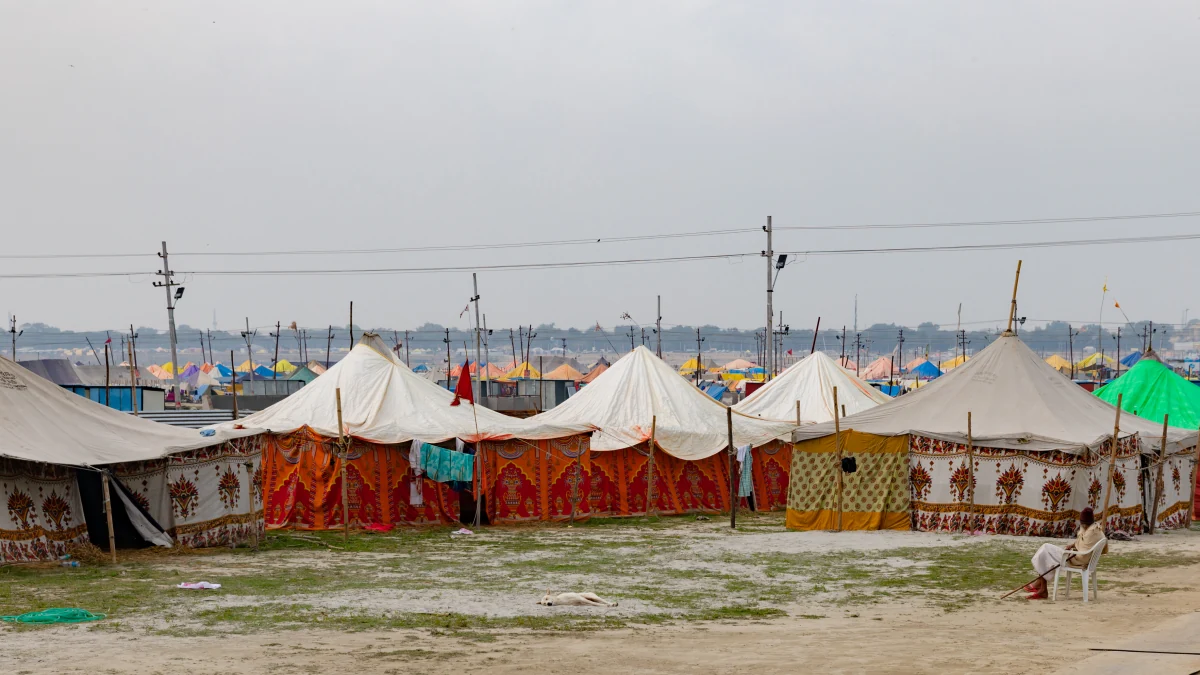
For a Naga sadhu you can read that as guru and shishya (teacher and disciple) inside one akhara. Scripture and arms are learnt side by side.
Neither the akharas nor the government gives an account of their daily routine that we could find (what they eat, when they rise, where they sit).
Where Naga sadhus go once the Mela is over
You already know the one documented part. It is the akhara every Naga sadhu is associated with, and past it the written sources stop and only reports are left.
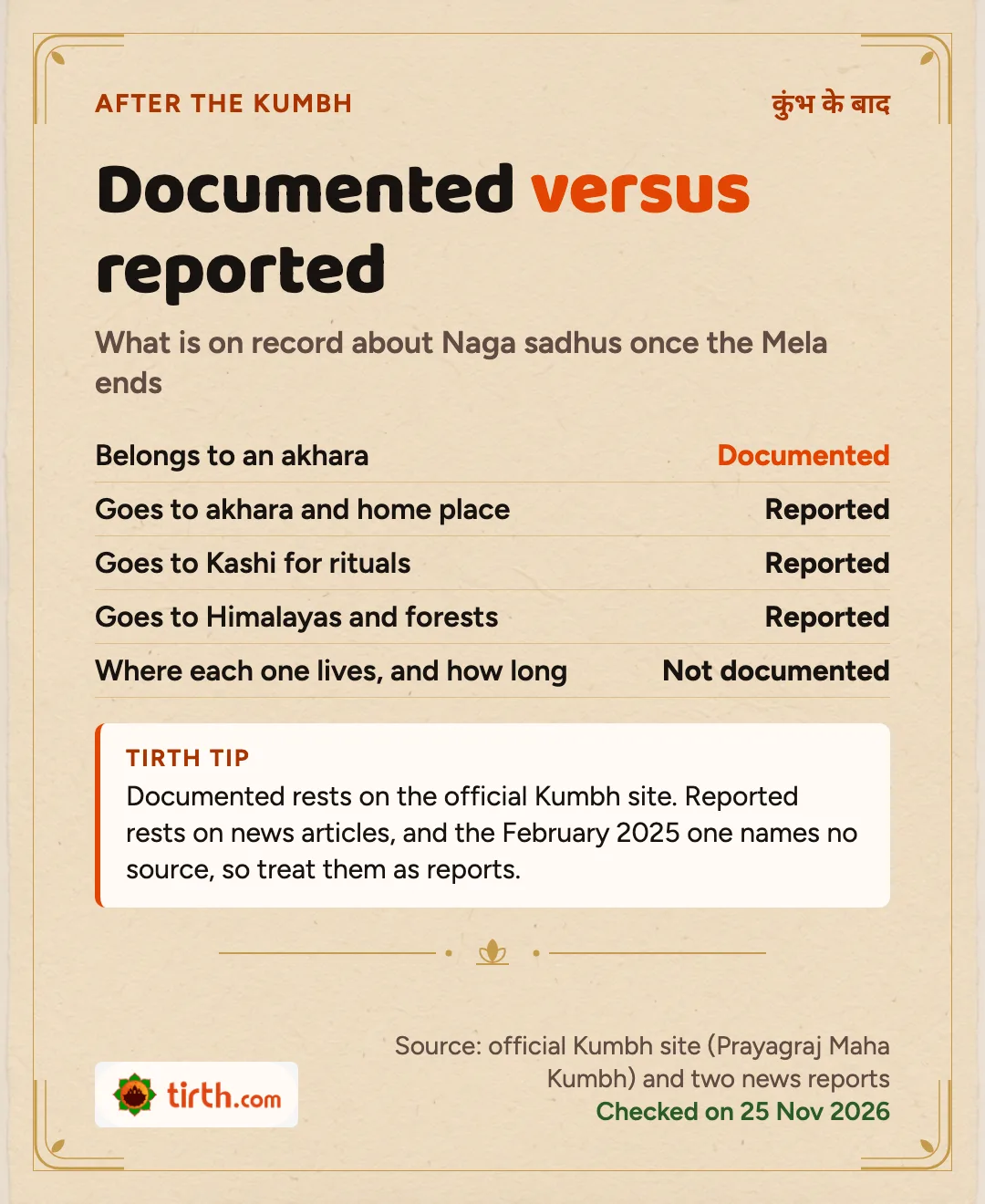
Those reports are thin. One news article says Naga sadhus head back to their own akharas and home places, and that by tradition they also go to Kashi for rituals and certificates linked to initiation. A second article puts them in the Himalayas, forests and caves, and it notes that this rests on religious beliefs. The first article names no source for any of this, and it gives the last snan two different dates.
| What is said | Status | Basis |
|---|---|---|
| Each Naga sadhu belongs to an akhara | Documented | Official Kumbh site |
| They leave for their akharas and home places, and go to Kashi for initiation rituals | Reported | One news article, no named source |
| Some go on to the Himalayas, forests and caves | Reported | A second news article, with a belief-based disclaimer |
| They will next be seen at the Haridwar Ardh Kumbh | Reported | The first article, which names the Haridwar Ardh Kumbh |
| Where each one lives until then, and for how long | Not documented | No source sets it out |
If those reports are right, you will next see Naga sadhus at the Kumbh that follows, and Tirth has a page on the next Kumbh Mela.
Watching for Naga sadhus at the next Haridwar Kumbh
That first report says the next chance is the Ardh Kumbh at Haridwar, its name for the next Haridwar Kumbh. For the city itself there is Tirth’s page on Haridwar, Destination on Tirth, and Kumbh, Ardh, Purna and Maha Kumbh explained sorts out the names.
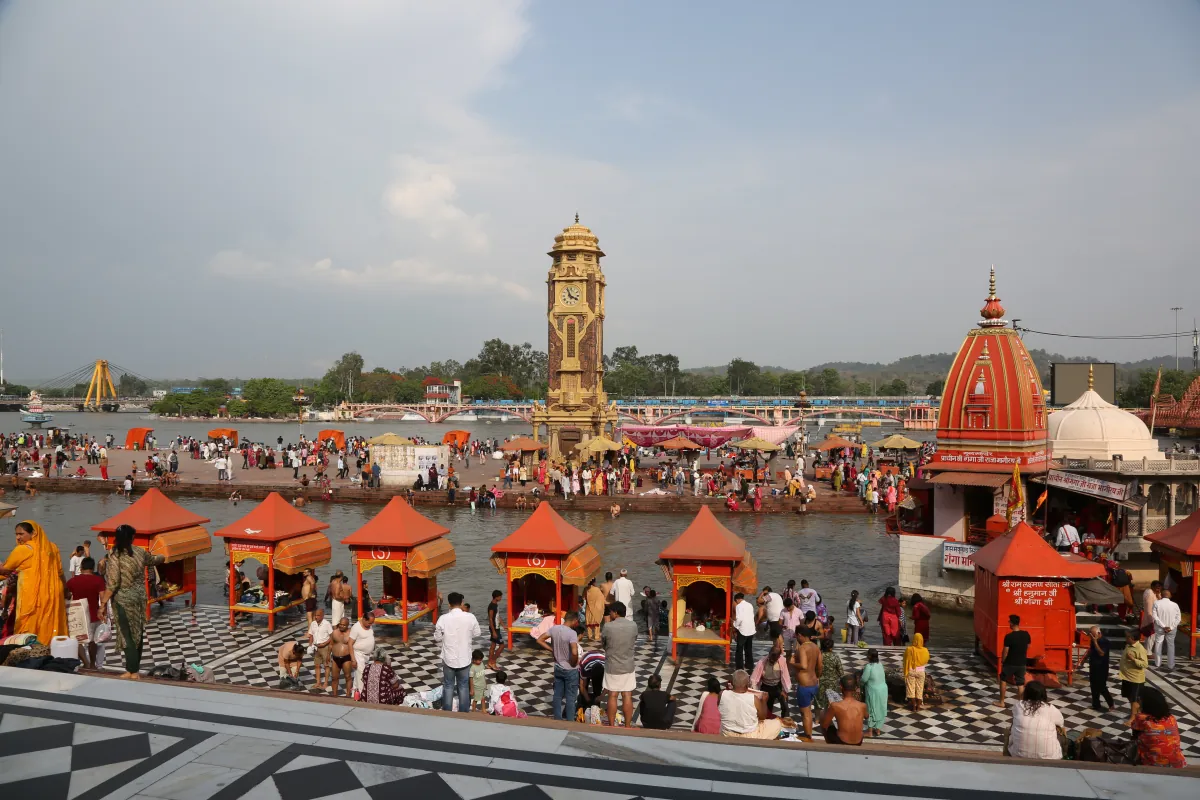
Watch the order the akharas come in. According to the Mela site, the Akhil Bhartiya Akhara Parishad and the Mela committee of officials together determine the date, time and order of the akharas for the Shahi Snaan (the Amrit Snan) and Peshvai processions. The Parishad promotes harmony among the akharas. It settles their disputes too. If Juna’s Naga sadhus walk ahead of another akhara, or behind it, that is the Parishad and the committee’s doing.
Haridwar’s four Amrit Snan dates for 2027 are still provisional. They are in Kumbh Mela 2027 and how to choose. If you would rather someone else arranged the travel and stay, start with the Tirth Haridwar yatra.
Frequently asked questions
They are ascetics who worship Bhagwan Shiva, and Naga sannyasis lead the Shaiva akharas. The official Kumbh site says each Naga sage is associated with some akhara, and PTI reported that six Shaiva akharas do Naga initiation. Tirth names every akhara on the thirteen akharas, Shaiva, Vaishnav and Udaseen.
It happens only inside one of the akharas that initiate, and that akhara looks hard at the candidate first. In PTI’s report, which quotes officers of Niranjani, Juna, Mahanirvani and Awahan, each application went through three stages of checks over approximately six months before any rite. The initiation section above has the full order and which office does what.
Six akharas do it, all of them Shaiva. They are Niranjani, Anand, Mahanirvani, Atal, Juna and Awahan. Agni is Shaiva too and makes seven, but it keeps brahmacharis instead. Tirth’s page on the thirteen akharas lists them all, so you can see where these six sit among the thirteen.
Defence is one of the two aims the akharas are described as serving, next to scripture. The Ministry of Culture says the Naga sannyasis carry spears, swords and other traditional weapons in the Kumbh processions. One report expects them next at Haridwar. Tirth’s guide to the Ardh Kumbh at Haridwar covers that Mela.
No source we found documents it past the akhara: the official Kumbh site says each one is associated with an akhara. Everything else, Kashi, home places, the Himalayas, comes from news reports, and the first of them names no source. If the reports hold, the next sighting will be at another Kumbh. Tirth’s page on the next Kumbh Mela is the place to start.
Continue on Tirth
- The thirteen akharas for every akhara by name and where it camps.
- Haridwar on Tirth, Destination on Tirth for the city of the Ardh Kumbh.
- Ardh Kumbh at Haridwar for the full planning guide to the Mela.