This Vrat falls on Sharad Purnima that full moon night in Ashwin when the sky feels washed clean after the monsoon. In many homes, people fast during the day, clean every corner like an honored guest is expected, and prepare for Lakshmi Puja in the evening.But the heart of it? Staying awake. Because legend says Goddess Lakshmi descends that night and calls out, “Ko Jagarti?” Who is awake? And honestly… it’s such a simple question. But it carries weight. Are you awake? Not just physically, but in life? In gratitude? In effort?
कोजागरी पूर्णिमा व्रत कथा
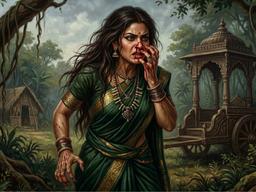
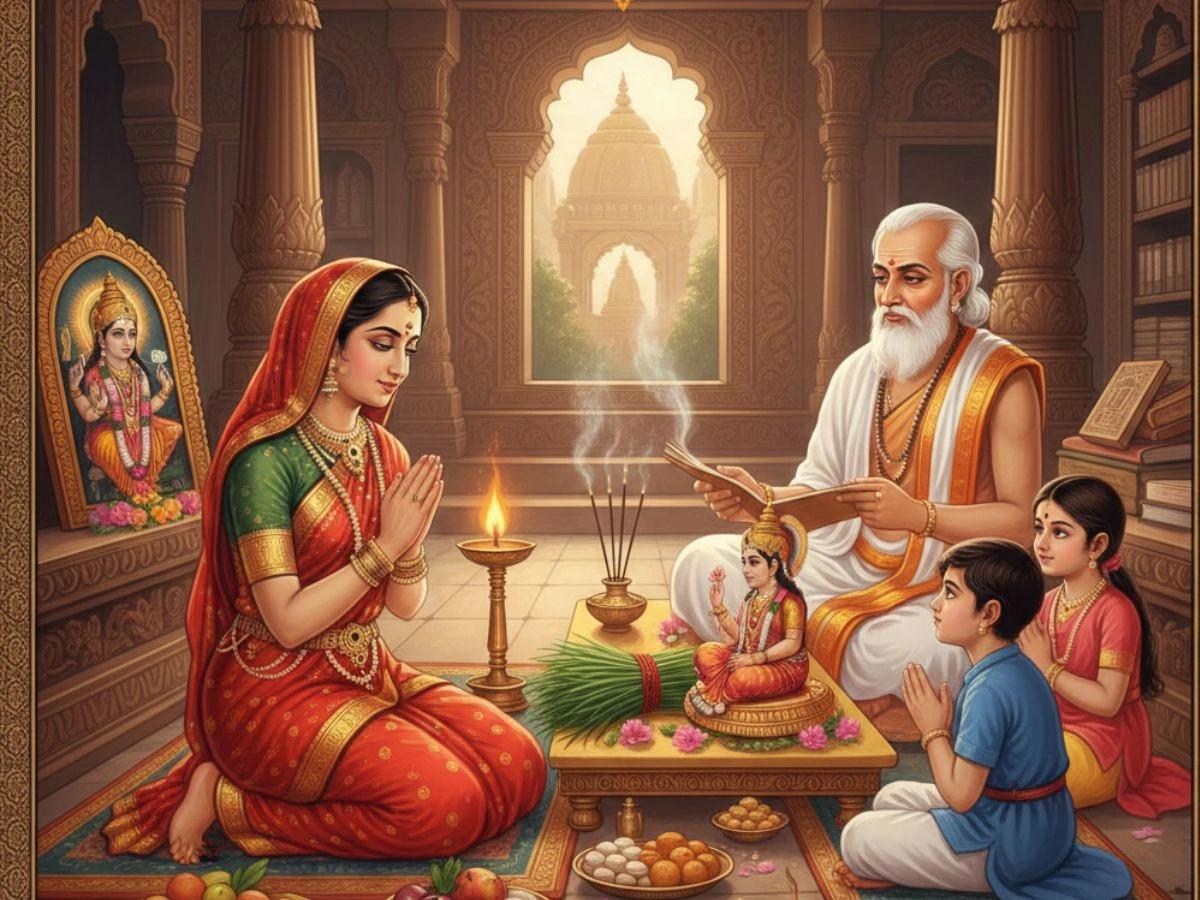
बहुत समय पहले की बात है। एक नगर में एक गरीब ब्राह्मण रहता था। वह विद्वान तो था, परंतु उसके घर में दरिद्रता का डेरा था। पत्नी अक्सर चिंतित रहती “इतना ज्ञान है, पर लक्ष्मी जी की कृपा क्यों नहीं?”
एक दिन ब्राह्मण ने सुना कि शरद पूर्णिमा की रात माता लक्ष्मी स्वयं पृथ्वी पर आती हैं और जो भक्त उस रात जागकर उनका पूजन करता है, उसके घर कभी अभाव नहीं रहता।
उसने निश्चय किया इस बार कोजागरी पूर्णिमा को वह विधिपूर्वक व्रत रखेगा और रात्रि भर जागरण करेगा।
दिनभर उपवास रखा गया। संध्या को घर को साफ किया गया, चौक बनाया गया, दीप जलाए गए। माता लक्ष्मी की प्रतिमा स्थापित की गई। चाँदनी रात में खीर बनाई गई और उसे आँगन में चंद्रमा की रोशनी में रखा गया यह मानकर कि चंद्रमा की अमृतमयी किरणें उसमें दिव्य गुण भर देंगी।
रात गहराती गई…
नींद आँखों में उतरना चाहती थी, पर ब्राह्मण दंपत्ति भजन गाते रहे “जय लक्ष्मी माता…”
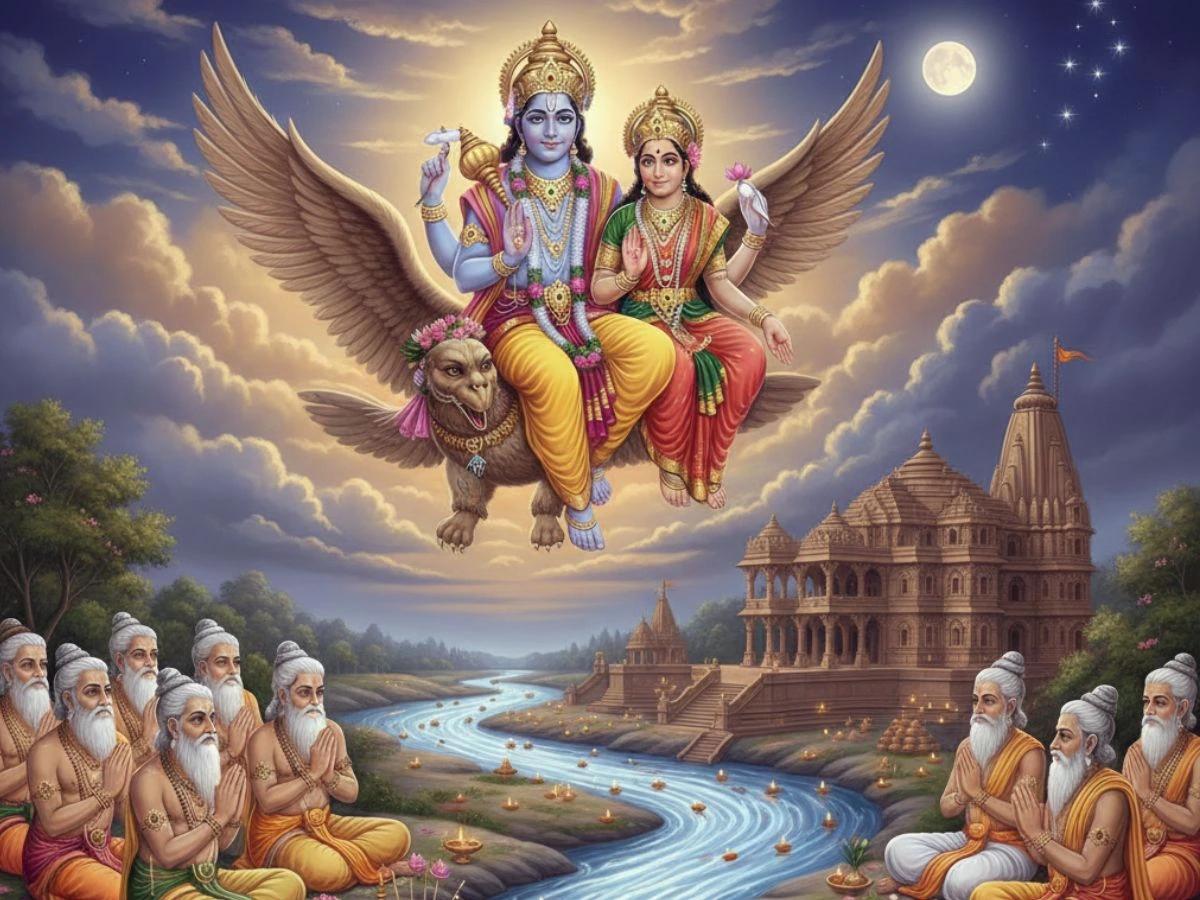
आधी रात के बाद अचानक एक दिव्य प्रकाश से घर आलोकित हो उठा। माता लक्ष्मी प्रकट हुईं। उन्होंने मुस्कराकर कहा
“तुम जाग रहे हो, भक्ति कर रहे हो। मैं तुम्हारी श्रद्धा से प्रसन्न हूँ।”
कहते हैं उस दिन के बाद उस ब्राह्मण के घर कभी अभाव नहीं रहा। धन के साथ साथ घर में शांति और संतोष भी आया।a
Meaning and Etymology of Kojagara
The word comes from Sanskrit Ko Jagarti. “Who is awake?”
Simple. Direct. Almost playful.
I’ve always liked how Indian festivals hide big philosophy inside small phrases. This one does that beautifully. Staying awake isn’t just about not sleeping. It’s about awareness. Being alert to opportunity. Being mindful of blessings.
My uncle once joked, “Lakshmi won’t wake you up if you’re snoring.” We laughed. But somewhere in that joke is a truth.
When is Kojagara Puja Observed?
It happens on Sharad Purnima usually in October. The exact date shifts with the lunar calendar, so elders still check the Panchang like it’s sacred news.
And that moon… if you’ve seen it on Sharad Purnima, you know. It doesn’t look ordinary. It’s fuller somehow. Brighter. Almost silver white instead of pale.
People say it’s the clearest full moon of the year. I don’t know the astronomy behind it, but I do know that sitting under it feels different. Calm. Cool. Like the sky is blessing you back.
Mythological Significance of Kojagara Puja
The Story of Goddess Lakshmi and the Night of Awakening
There’s an old story about a poor woman who stayed awake praying while others slept. Lakshmi noticed her devotion and blessed her with prosperity.
Now, whether you take that literally or symbolically that’s up to you. I’ve heard this story told in village courtyards and city apartments alike. The point isn’t the miracle. It’s the sincerity.
Lakshmi isn’t impressed by noise. She’s moved by effort.
And effort shows up at midnight, when everyone else is tired.
Legends Associated with Sharad Purnima
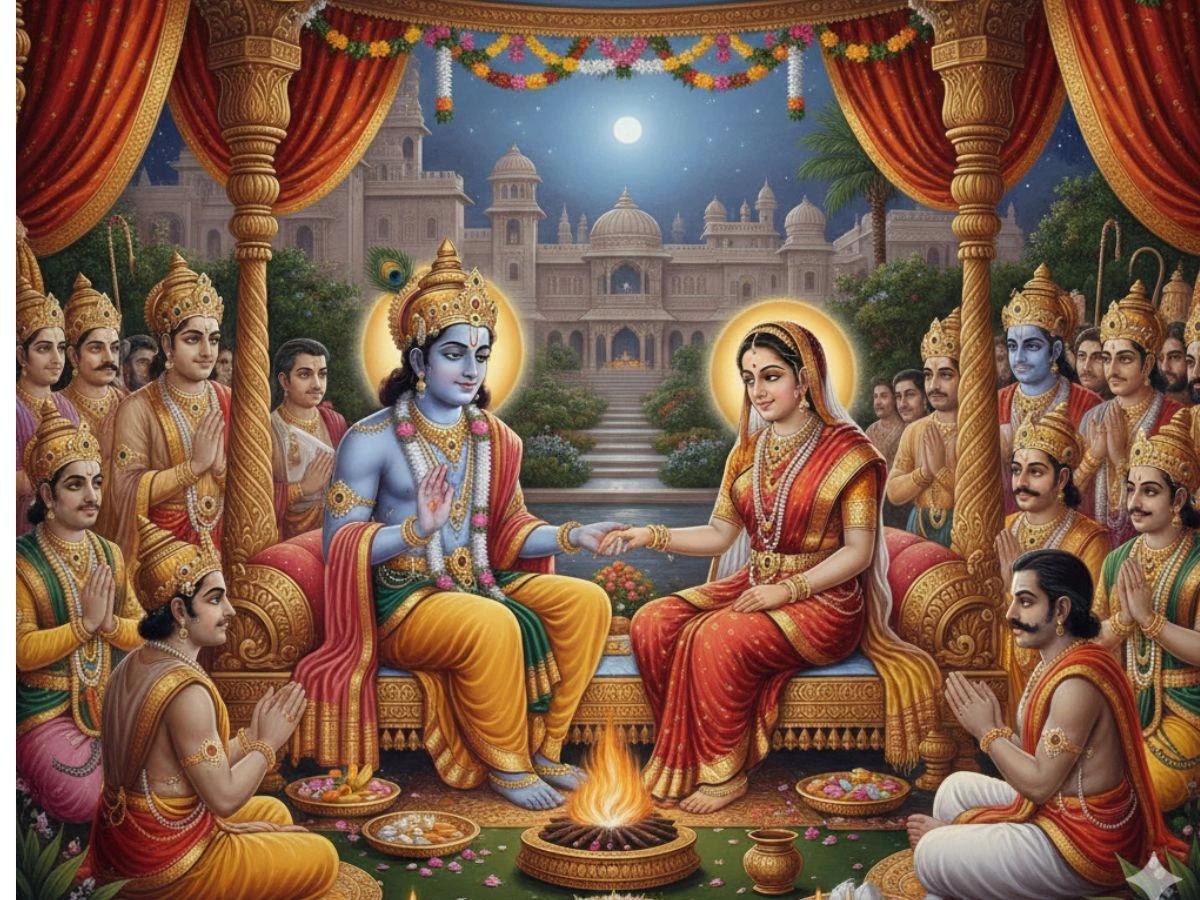
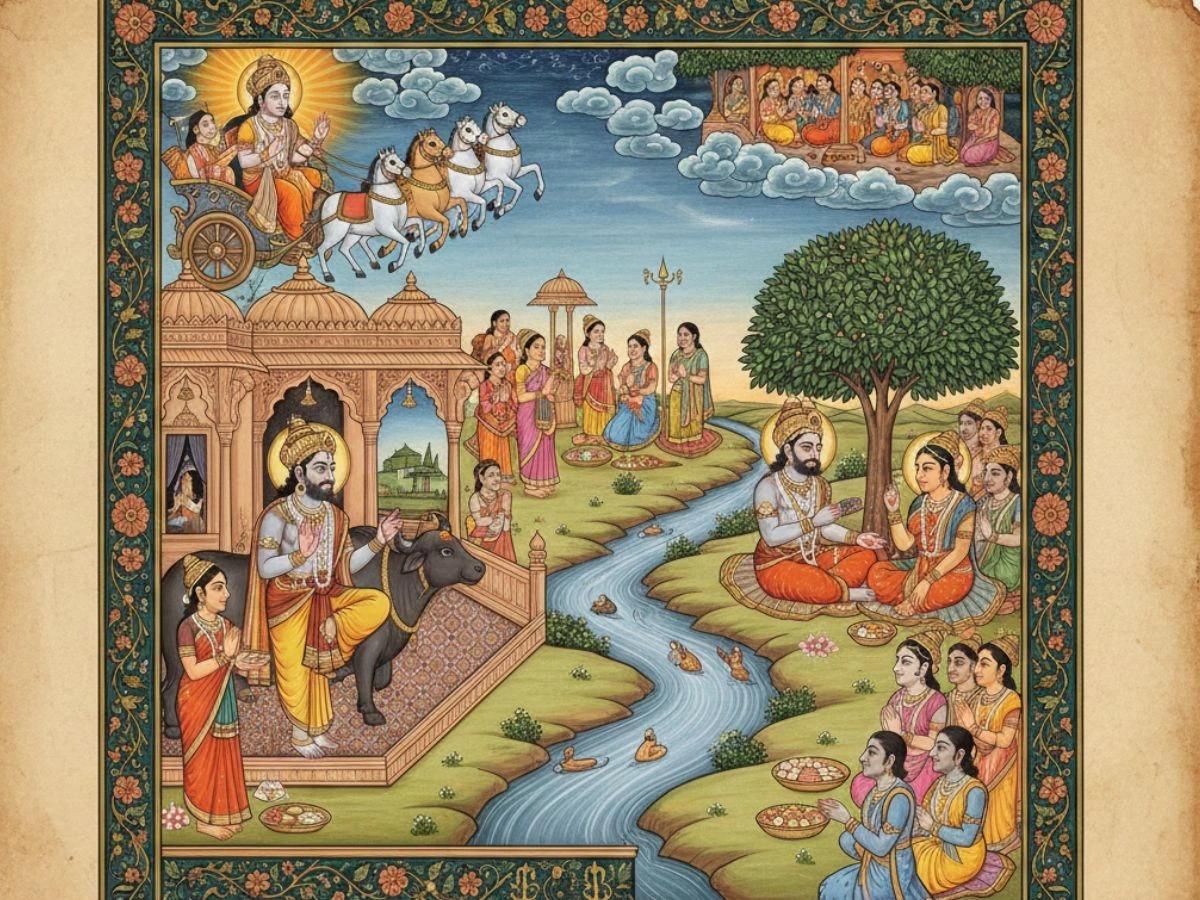
In many parts of India, this night also connects to Krishna’s Raas Leela. In Vrindavan, they say the moon stood still to watch. Romantic, right?
There’s a sweetness to that idea divine love under moonlight. Devotion as joy, not duty.
Spiritual Importance of Kojagara Puja Vrat
Connection with Wealth and Prosperity
People often reduce this vrat to “wealth worship.” But wealth isn’t just money.
Prosperity can be:
- A peaceful home
- Good health
- A stable job
- Children who respect you
- A mind that sleeps without worry
I’ve seen families with modest incomes celebrate Kojagara Puja Vrat with more contentment than wealthy homes chasing numbers. Lakshmi, I think, cares about harmony more than currency.
Importance of Staying Awake All Night
Staying awake sounds easy until 1:30 AM hits. Then you’re yawning, pretending you’re not.
But that’s the point. Devotion requires discomfort sometimes.
Families spend the night singing bhajans, playing cards (yes, that’s common in Maharashtra), reading scriptures, or just talking. There’s laughter. There’s tea. There’s the occasional “Don’t sleep!” nudge.
And somewhere between midnight and dawn, something shifts. The house feels lighter.
Rituals and Puja Vidhi (Step-by-Step Guide)
Preparations Before the Puja
Cleaning and Decoration
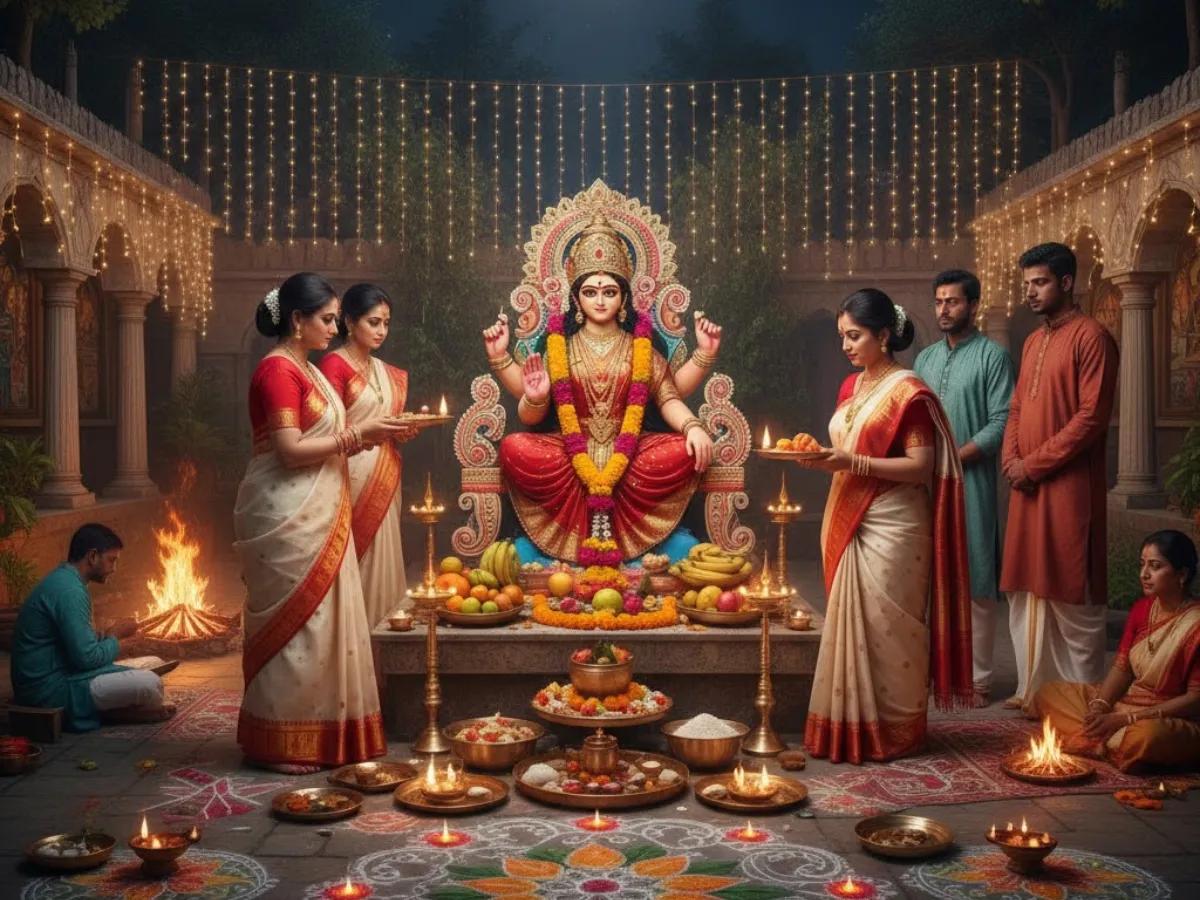
You’ll see homes scrubbed clean like Diwali’s quieter cousin. Doorways decorated with rangoli. Oil lamps lined along balconies.
My aunt insists Lakshmi only enters clean spaces. I suspect cleanliness is more about discipline than superstition. Still, nobody argues with her.
Required Puja Samagri
Usually you’ll find:
- Lakshmi idol or framed image
- Kalash filled with water and mango leaves
- Flowers (marigolds are popular)
- Rice, turmeric, kumkum
- Incense and ghee lamps
- And of course… kheer
Nothing extravagant. Just heartfelt.
Main Puja Procedure
Invocation of Goddess Lakshmi
The puja begins after moonrise. Lamps are lit. Mantras are chanted often “Om Shreem Mahalakshmyai Namah.”
Some chant confidently. Others stumble over pronunciation. It doesn’t matter much. Devotion doesn’t grade your Sanskrit.
Offering Bhog and Prasad
Kheer is the star of the night. Rice, milk, sugar, cardamom, dry fruits slow cooked until creamy and fragrant.
The smell alone feels like blessing.
Moonlight Ritual and Kheer Tradition
Now here’s the part I love.
The kheer is placed under the moonlight for a while. Elders say the moon’s rays on Sharad Purnima carry healing energy. Ayurveda mentions this cooling effect too.
Scientific or symbolic I don’t know. But eating that moon bathed kheer at midnight? It feels sacred.
And slightly magical.
Benefits of Observing Kojagara Puja
Financial Stability
Many believe this vrat removes financial blockages. I’ve heard shopkeepers say business improved after sincere observance.
Coincidence? Faith? Maybe both.
Spiritual Growth
Staying awake in prayer builds discipline. And discipline builds character. Slowly. Quietly.
Family Harmony
There’s something about sitting together late into the night that melts tensions. Arguments feel smaller. Conversations grow softer.
Shared devotion binds people.
Fasting Rules and Guidelines
Who Can Observe the Vrat?
Anyone. Married, unmarried, young, old. There’s no exclusive entry pass here.
What to Eat and Avoid
Some fast fully. Others take fruits and milk. Onion and garlic are usually avoided.
But honestly? Intention matters more than menu.
Regional Celebrations Across India
West Bengal Traditions
In Bengal, Kojagari Lakshmi Puja is vibrant. Alpana designs spread across floors like delicate white lace. Women chant Lakshmi Panchali late into the night.
It feels poetic.
Maharashtra and Odisha Practices
In Maharashtra, families play games to stay awake cards, antakshari, storytelling. In Odisha, newly married women observe this vrat with special dedication.
Different regions. Same devotion.
Scientific and Cultural Significance of Sharad Purnima Night
Healing Properties of Moonlight
Traditionally, Sharad Purnima moonlight is believed to have cooling, nourishing qualities. After monsoon humidity, this night marks a shift in season.
Maybe that’s why it feels refreshing. Crisp.
Seasonal and Agricultural Importance
For farmers, this period signals harvest readiness. Gratitude isn’t abstract when your livelihood depends on crops.
Lakshmi becomes not just goddess of wealth but of grain.
Common Mistakes to Avoid During Kojagara Puja
If I’m being honest?
The biggest mistake is turning it into a checklist.
Clean house? Check.
Light lamp? Check.
Post Instagram story? Double check.
Devotion isn’t performance. It’s presence.
Also, don’t obsess over perfection. A slightly crooked rangoli won’t offend Lakshmi.
FAQs About Kojagara Puja
1. What is the main purpose of Kojagara Puja?
To invite prosperity material and spiritual into your life through sincere devotion.
2. Is fasting mandatory?
No. Faith counts more than hunger.
3. Why is kheer kept under moonlight?
Tradition says the moon’s rays add healing qualities. Symbolically, it’s about receiving cosmic grace.
4. Can unmarried women observe this vrat?
Absolutely. Anyone can.
5. What time should the puja be performed?
After moonrise, typically in the evening.
6. What if someone falls asleep?
Well… it happens. Lakshmi is compassionate. Try again next year.
Conclusion
Kojagara Puja Vrat isn’t just about wealth. It’s about awareness. Gratitude. Effort. It’s about sitting under a generous moon with people you love, trying even if imperfectly to stay awake for something sacred. And maybe, just maybe, when the night is quiet and the lamps flicker low, you’ll feel it too.That gentle question in the dark.
Readers seeking clarity on vrat timings and traditions may visit Tirth.com.