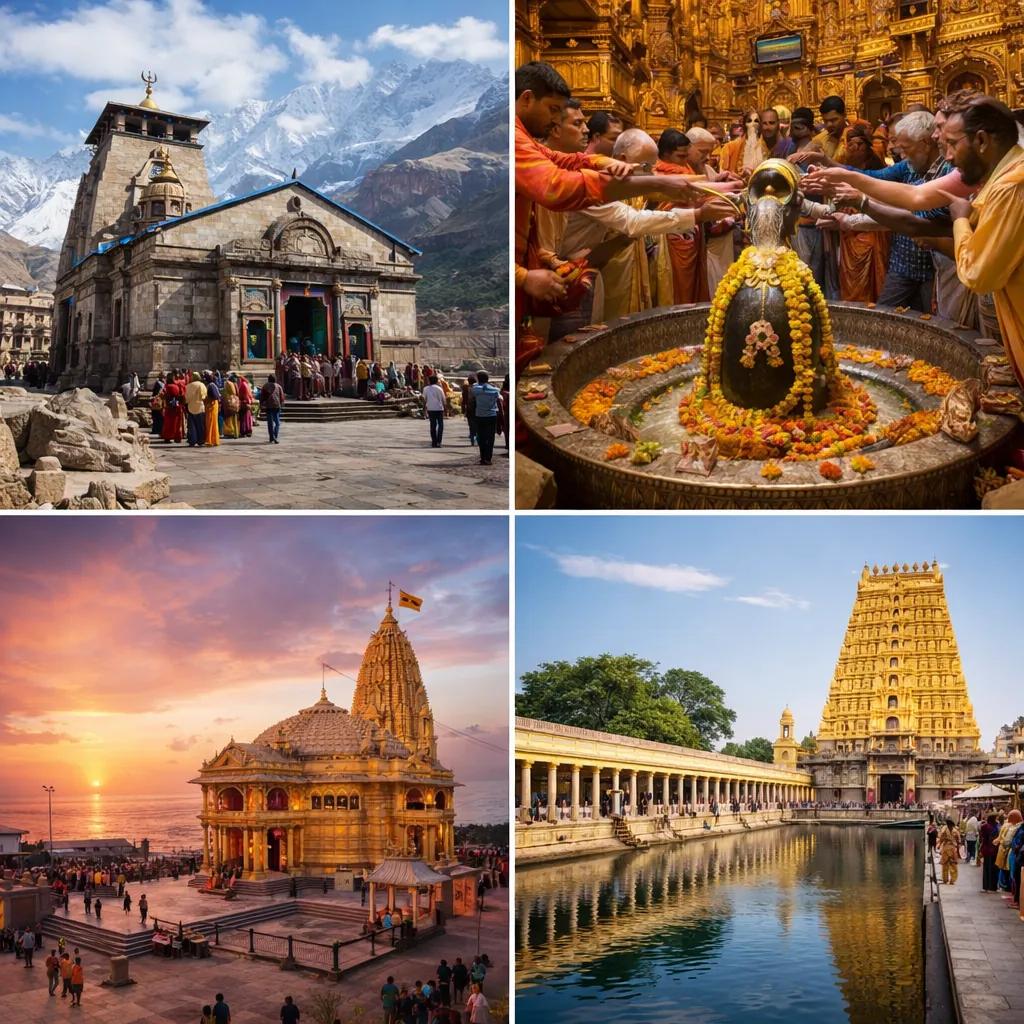
Somewhere between tying shoelaces outside a dharamshala and reminding a child to lower their voice near a shrine, an Ayodhya family trip quietly becomes something else. Not a vacation. Not even just a pilgrimage. More like a shared pause.
You don’t arrive in Ayodhya to conquer it. Nobody does. The city has its own pace, and if you fight it, you’ll feel tired very quickly. But if you let it lead? Things soften. Conversations slow down. Even the kids stop asking, “Are we done yet?”
This guide isn’t here to rush you or impress you with lists. It’s here to help families move through Ayodhya without friction with enough planning to feel safe, and enough space to feel something real.
Why Ayodhya Feels Right for a Family Trip
Ayodhya doesn’t shout. That’s the first thing people notice, even if they don’t say it out loud.
Unlike many pilgrimage towns that feel constantly overwhelmed, Ayodhya seems to expect families. You’ll see grandparents sitting quietly near temple steps, parents adjusting backpacks, children watching priests with wide, curious eyes. No one looks out of place.
Part of what makes an Ayodhya family trip work so well is how the city is built emotionally, not just physically.
Most temples sit close enough that you’re not dragging elders across long distances. Many lanes invite walking instead of traffic. Volunteers and locals speak gently. And somehow, even the crowds feel… manageable.
Ayodhya doesn’t overwhelm families. It meets them halfway.
Ram Mandir Darshan With Family
For most families, Ram Mandir isn’t just a stop. It’s the reason they came.
The darshan system, thankfully, respects that. Clear queues. Volunteers guiding patiently. Space for elders to move without feeling hurried. If you plan it well early morning is usually best the experience feels steady, not stressful.
Footwear comes off. Phones stay tucked away. And suddenly, children who were restless five minutes ago fall quiet. It happens more often than you’d expect.
If you’ve told them the story of Shri Ram beforehand, even briefly, they stand a little straighter inside. You can see it. They may not understand everything, but they feel the weight of the place.
Ram Mandir darshan doesn’t reward speed. It rewards patience. And families who arrive with that mindset leave lighter.
Family Friendly Temples in Ayodhya
Ayodhya doesn’t insist you do everything in one breath. Thank goodness.
Beyond Ram Mandir, there are temples that fit beautifully into a slower, family friendly rhythm. Places where you can sit for a moment. Breathe. Let elders rest and children observe.
Hanuman Garhi, for instance, carries a sense of protection that many families seek. Kanak Bhawan feels softer, almost intimate, with its connection to Ram and Sita. Nageshwar Nath Temple adds a different spiritual texture altogether.
Spacing these visits across the day matters. It keeps bodies comfortable and minds present. No one enjoys darshan when they’re exhausted not elders, not children, not even adults pretending they’re fine.
Saryu Aarti: Where Families Pause Together
If Ram Mandir is the heart of an Ayodhya family trip, Saryu Aarti is the breath.
Evenings by the river slow everyone down. There’s space to stand. Space to watch. Space to just… be. Lamps float. Bells ring. Children lean forward, eyes reflecting firelight. Elders often fall silent here, in that way that says more than words.
What families love about Saryu Aarti is that it doesn’t ask much physically. You don’t climb stairs or stand in long queues. You simply arrive and allow the moment to unfold.
Long after the trip ends, many families remember this standing together, quietly, as the river carries light downstream.
Planning a Gentle Ayodhya Itinerary
Here’s the honest truth: Ayodhya punishes overplanning.
Trying to squeeze too much into one day usually leads to tired faces and short tempers. A family friendly itinerary works best when it mirrors the city’s rhythm.
Mornings suit temple visits. Afternoons ask for rest maybe a short walk, maybe nothing at all. Evenings belong to Saryu Aarti or a calmer temple visit.
Two days is a sweet spot for most families. One day feels rushed, especially with elders or small children. And rushing, in Ayodhya, misses the point entirely.
Practical Travel Tips for Families

Comfort over speed. Always.
Carry water. Keep light snacks handy. Avoid peak afternoon heat if you can. And yes, explain temple etiquette to children beforehand not as rules, but as stories. They respond better that way.
Build buffer time between visits. Things will take longer than you expect, and that’s okay. Ayodhya rewards patience far more than efficiency.
Slow down. The city will meet you there.
Safety and Comfort in Ayodhya
Families often arrive with quiet concerns. Crowds. Navigation. Safety.
Most leave surprised.
Ayodhya feels culturally respectful in a way that’s hard to explain until you experience it. Clear signage helps. Volunteers are visible. Security presence reassures without intimidating.
But more than systems, it’s the tone of the place. Devotion encourages calm behaviour. People wait their turn. Voices stay lower.
That atmosphere lets families relax and when families relax, the journey deepens.
Helping Children Connect With Culture
Children don’t need lectures. They need entry points.
Share Ramayana stories before visits. Explain rituals simply, without pressure. Let them ask questions. Let them watch aarti up close instead of pulling them away.
Ayodhya teaches best when it’s allowed to be experienced, not explained.
For many children, this trip quietly becomes their first real memory of faith not as instruction, but as atmosphere.
Best Time to Visit Ayodhya With Family
Weather matters more than people admit.
October to March is generally kinder on the body, especially for elders and children. Early mornings and evenings remain the best windows for darshan year round.
If you travel during festivals, expect crowds and longer waits. Prepare mentally, pack patience, and adjust expectations. Ayodhya during festivals is powerful but it asks more from families.
How Tirth.com Supports Family Pilgrimage Planning
Tirth.com approaches Ayodhya the way pilgrims actually experience it not as a checklist, but as a flow.
For families, this means sensible sequencing of temples, realistic time planning, and guidance that respects both devotion and physical comfort. When logistics stop demanding attention, families can focus on what they came for.
Less confusion. More presence.
A Quiet Closing Thought
Ayodhya doesn’t ask families to hurry. It asks them to arrive.
A wellplanned Ayodhya family trip gives elders ease, parents calm, and children something deeper than photographs. When families walk Ayodhya together slowly, imperfectly, attentively devotion stops being an idea and starts becoming a habit.
And that, quietly, is how traditions are born.
Discover what it means to live a “Tirth” lifestyle in Ayodhya and embrace its spiritual essence in daily life. Tirth.com