Ahoi Ashtami is one of those days that doesn’t announce itself loudly. No firecrackers. No crowds. Just quiet determination. Mothers wake up knowing they won’t eat or drink not even a sip of water and yet there’s very little complaint. Maybe because this vrat isn’t about endurance. It’s about intention. Observed on the Ashtami tithi of Krishna Paksha in Kartik, this fast is kept for children their health, their safety, their long lives. The emotional center of the day is the Ahoi Ashtami Vrat Katha, a story most women hear first from their mothers or grandmothers, often while sitting cross legged on the floor, listening with half closed eyes.
अहोई अष्टमी व्रत कथा
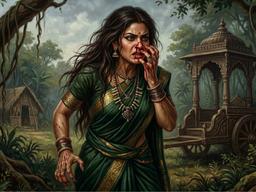
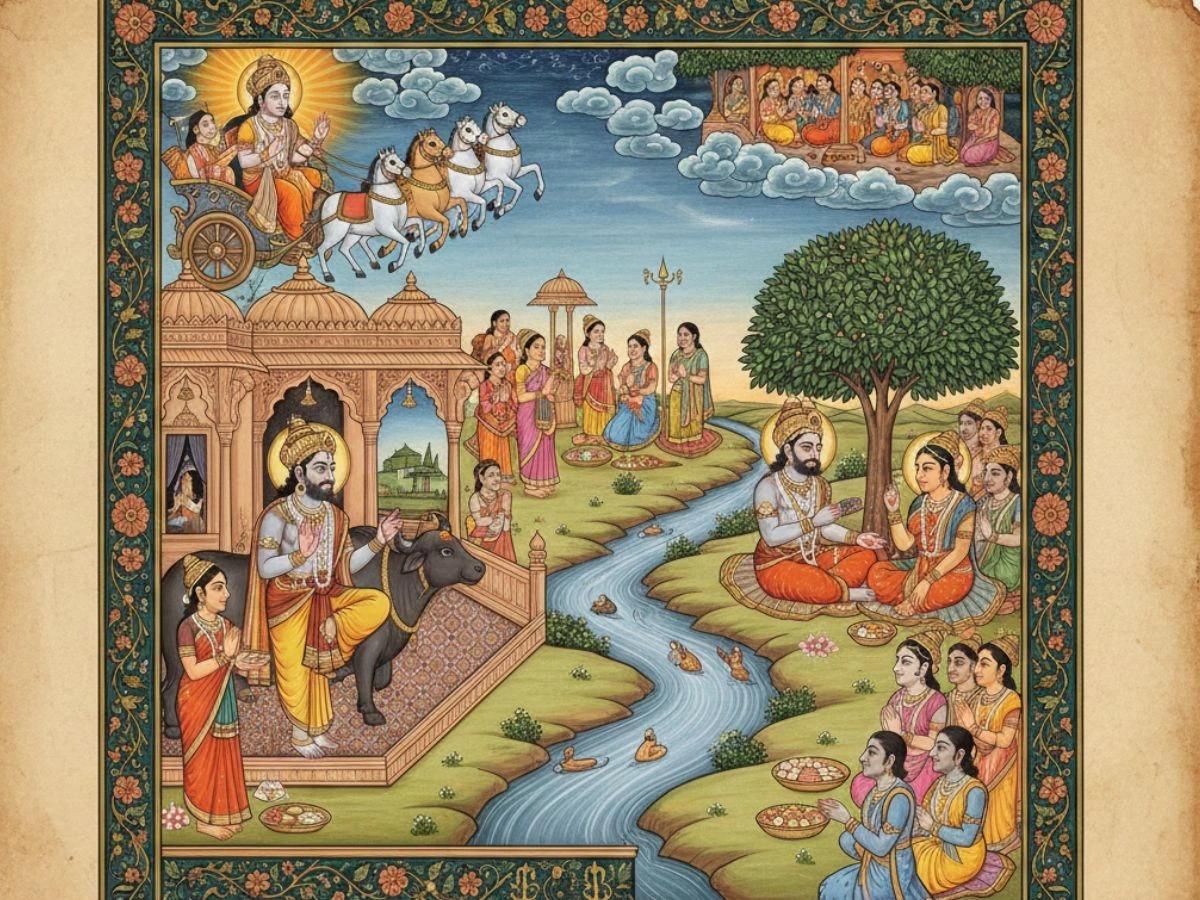
बहुत समय पहले की बात है। एक साहूकार था, जिसके सात बेटे थे। उसकी पत्नी अपने बच्चों से बहुत प्रेम करती थी। एक दिन दीपावली से कुछ दिन पहले वह मिट्टी खोदने जंगल के पास गई, ताकि घर की लिपाई कर सके।
मिट्टी खोदते समय अचानक उसकी कुदाल एक गड्ढे में चली गई। उसी गड्ढे में एक सियारनी अपने बच्चों के साथ रहती थी। कुदाल लगने से सियारनी का एक बच्चा मर गया। यह देखकर सियारनी बहुत क्रोधित हुई।
सियारनी ने साहूकार की पत्नी से कहा,
“जैसे तूने मेरे बच्चे को मारा है, वैसे ही मैं तेरे बच्चों को खा जाऊँगी।”
यह सुनकर साहूकार की पत्नी काँप उठी। उसने बहुत विनती की, रोई गिड़गिड़ाई, क्षमा माँगी, लेकिन सियारनी का क्रोध शांत नहीं हुआ।
तब साहूकार की पत्नी ने प्रार्थना की
“हे माता! कोई उपाय बताओ, जिससे मेरे बच्चों की रक्षा हो सके।”
सियारनी बोली,
“कार्तिक मास की कृष्ण पक्ष की अष्टमी को अहोई माता का व्रत करना। पूरे विधि विधान से पूजा करना, कथा सुनना, और अपनी संतानों की दीर्घायु की कामना करना। तभी तेरे बच्चों की रक्षा होगी।”
यह कहकर सियारनी अदृश्य हो गई।
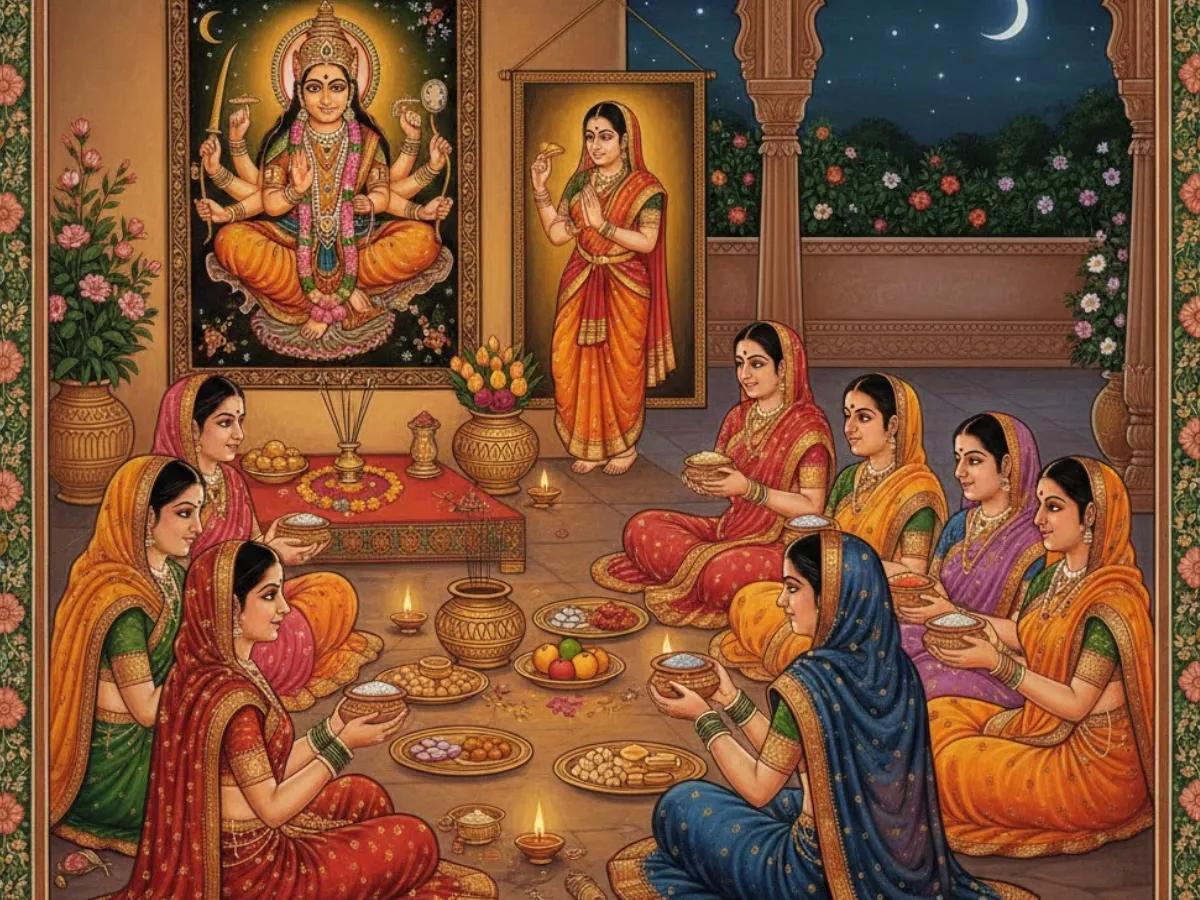
डर और पश्चाताप से भरी साहूकार की पत्नी ने उसी वर्ष अहोई अष्टमी का व्रत पूरे नियम से किया। शाम को तारों को देखकर अर्घ्य दिया, अहोई माता की पूजा की और अपने बच्चों के लिए मन से प्रार्थना की।
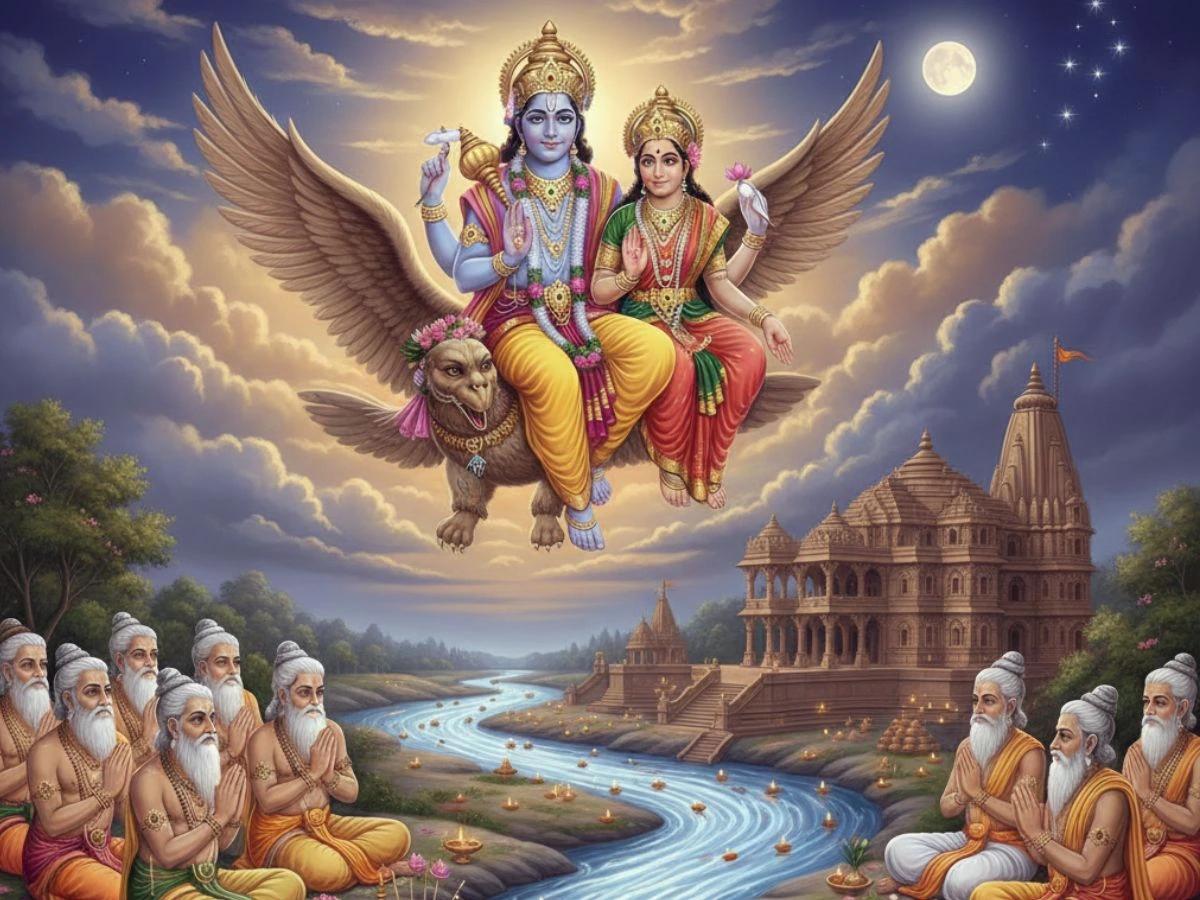
माता अहोई उसकी भक्ति से प्रसन्न हुईं। उन्होंने सियारनी का क्रोध शांत किया और साहूकार की पत्नी के सातों पुत्र दीर्घायु और सुखी रहे।
तब से यह मान्यता चली आ रही है कि
जो भी माता अपने बच्चों की सलामती के लिए अहोई अष्टमी का व्रत करती है, अहोई माता उनकी संतान की रक्षा करती हैं।
Mythological Origin of Ahoi Ashtami
If you trace Ahoi Ashtami back far enough, you won’t find a single neat scripture stamped with authority. Instead, you’ll find stories passed mouth to mouth, altered slightly with each telling, shaped by region and memory.
That’s how most living traditions survive in India.
This vrat took root mainly in North India Rajasthan, Uttar Pradesh, Punjab, Haryana places where oral storytelling still holds power. The heart of it all is accountability. Actions matter. Intention matters. And when mistakes happen, repentance has its own kind of grace.
The Sacred Ahoi Ashtami Vrat Katha
The Ahoi Ashtami Vrat Katha is not a comfortable story and that’s the point.
A woman, busy with daily chores, unknowingly kills a lion cub while digging soil. It isn’t malice. It’s carelessness. The mother lioness, devastated, curses the woman. One by one, the woman loses her seven sons.
It’s brutal. No soft edges here.
Crushed by grief, the woman seeks forgiveness. A saint tells her to observe Ahoi Ashtami with full devotion fasting, praying, listening to the katha, and truly accepting her fault. She does. Not mechanically, but with a heart laid bare.
Ahoi Mata, moved by her remorse, forgives her and restores her children.
This story lingers because it feels real. We all hurt something unknowingly. We all carry guilt. And we all hope that sincere repentance still counts for something.
Religious Significance of Ahoi Ashtami
Religiously, Ahoi Ashtami stands on a few quiet but firm pillars:
- Every action has weight
- Compassion extends to all beings
- Motherhood is sacred, but not exempt from responsibility
- Devotion isn’t performance it’s honesty
This vrat doesn’t promise instant miracles. What it offers instead is reassurance that prayer done with humility still reaches somewhere.
Why Mothers Observe This Vrat
Ask any mother why she keeps Ahoi Ashtami, and you’ll rarely get a textbook answer.
“Bas bachchon ke liye.”
They believe this vrat protects children from unseen harm, illness, bad luck all the things a parent worries about but can’t control. It’s also, quietly, a way of releasing fear.
Date, Tithi, and Timing of Ahoi Ashtami
Ahoi Ashtami falls eight days before Diwali, on Krishna Paksha Ashtami of Kartik month. It’s close enough to the festival season to feel festive, yet solemn enough to stand apart.
Ahoi Ashtami According to Hindu Calendar
- Month: Kartik
- Paksha: Krishna
- Tithi: Ashtami
- Parana: After sighting the stars
Not the moon. Stars. That detail matters.
Ahoi Mata: The Divine Protector
Ahoi Mata isn’t worshipped with grandeur. Often, her image is drawn on the wall with simple lines sometimes holding children, sometimes accompanied by a lion.
There’s something grounding about that simplicity.
Symbolism of Ahoi Mata Image
- Lion: Strength that protects, not dominates
- Children: Vulnerability and hope
- Stars: Guidance when the path isn’t clear
Ahoi Ashtami Puja Vidhi (Step by Step)
There’s no rush on Ahoi Ashtami. The rituals move at human pace.
Morning Rituals
The day begins early. Bath. Clean clothes. A quiet sankalp. No dramatic declarations just a mental promise to observe the vrat sincerely.
Evening Puja and Story Recitation
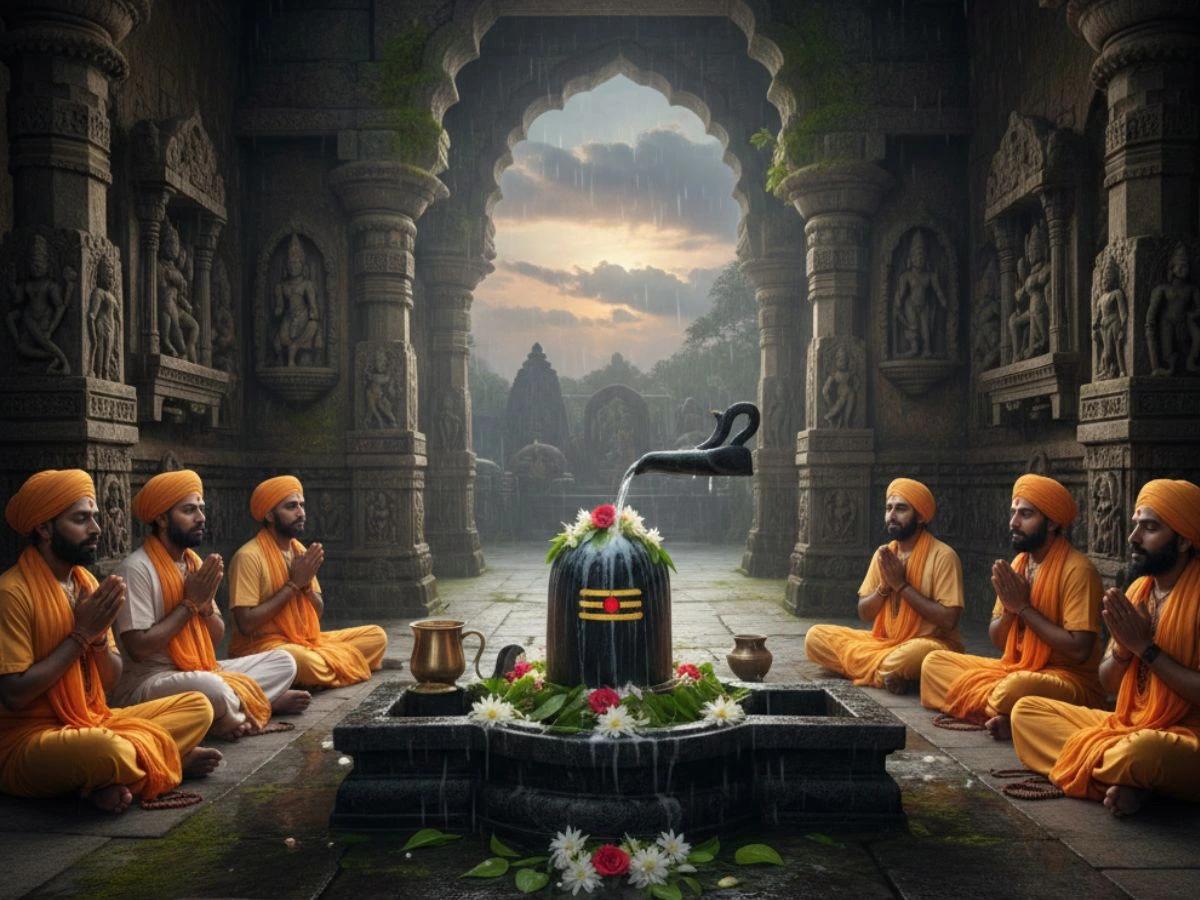
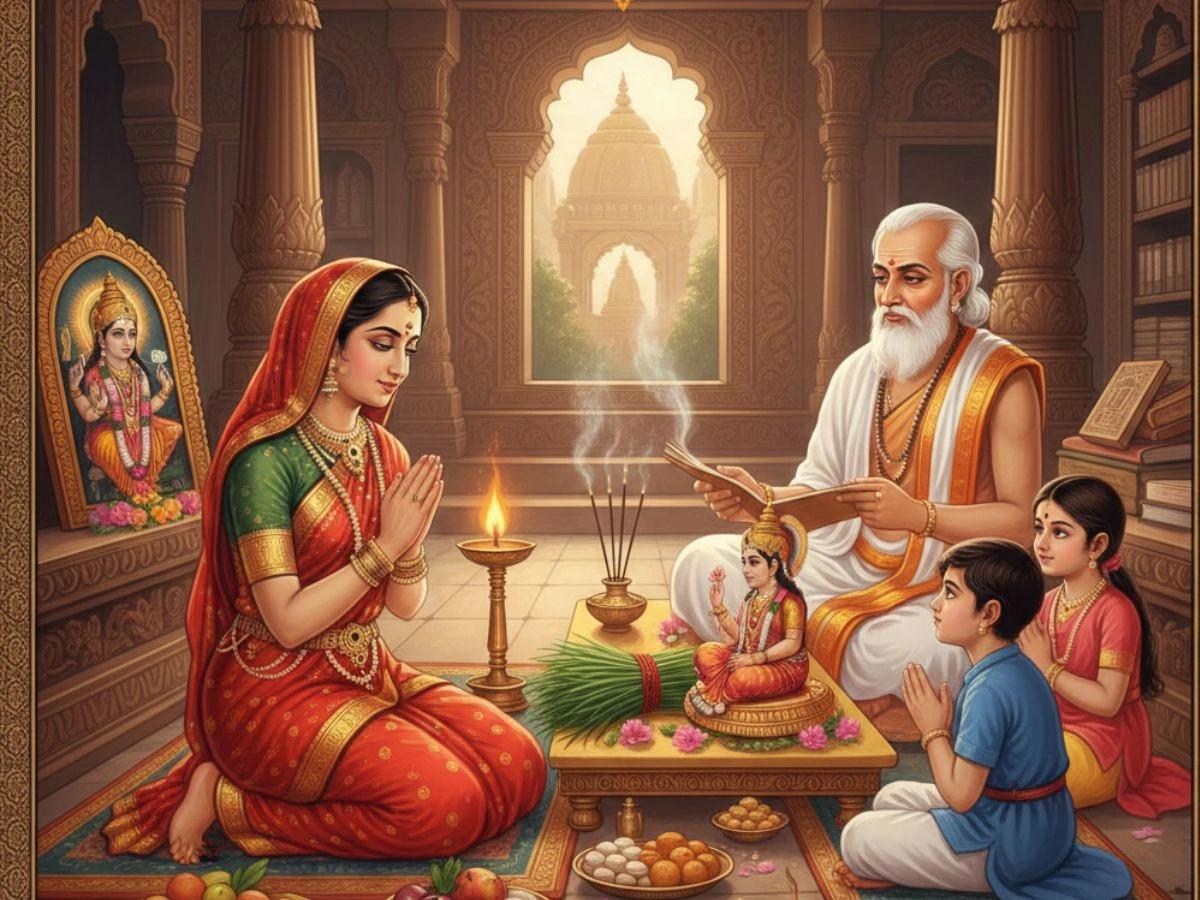
As evening approaches, the house feels different calmer, dimmer. A diya is lit with ghee. Roli, chawal, sweets are arranged. The Ahoi Ashtami Vrat Katha is recited, often slowly, sometimes with interruptions from children who don’t fully understand yet.
After the aarti, everyone waits for the stars.
Rules and Fasting Guidelines
This vrat is strict, but not harsh.
Dos and Don’ts During the Vrat
Dos
- Maintain calmness
- Speak gently
- Stay mindful
Don’ts
- Eat or drink
- Argue or lose temper
Importance of Seeing the Stars
The stars matter because they don’t rush. They appear when the time is right. Breaking the fast only after seeing them reminds us that patience is part of prayer.
Regional Traditions and Variations
In Rajasthan, women paint Ahoi Mata on walls.
In Punjab, silver pendants are common.
In UP and Bihar, group kathas bring women together.
Different expressions. Same feeling.
Spiritual and Emotional Benefits
People often ask, “Does it really work?”
That’s the wrong question.
What it does is quiet the mind, steady the heart, and remind a mother that love, when offered with discipline, becomes prayer.
Modern Day Relevance of Ahoi Ashtami
Even now in apartments, offices, busy schedules women find ways to observe Ahoi Ashtami. Maybe not perfectly. Maybe with adjustments.
And that’s okay.
Faith that adapts is faith that survives.
Common Mistakes to Avoid
- Treating the vrat as routine
- Skipping the katha
- Breaking the fast too early
- Forgetting the emotional intention
Frequently Asked Questions (FAQs)
1. Who can observe Ahoi Ashtami vrat?
Any woman praying for children’s well being.
2. Is it always nirjala?
Traditionally, yes.
3. Can childless women observe it?
Yes, many do.
4. What offerings are common?
Puri, halwa, sweets, roli, chawal.
5. Moon or stars?
Stars.
6. Is it okay to adapt rituals today?
Faith allows flexibility.
Conclusion
Ahoi Ashtami isn’t about perfection. It’s about presence.
The Ahoi Ashtami Vrat Katha reminds us that mistakes don’t end the story sincerity rewrites it. For generations, mothers have fasted, prayed, waited for stars, and hoped quietly.
And somehow, that quiet hope keeps working.
Related articles and background details are available on Tirth.com