
Goddess Annapurna
About Goddess Annapurna
Goddess Annapurna is the dearly worshipped mother of nourishment and fulfillment in Hindu tradition. Her name, made of 'anna' (food) and 'purna' (complete), shows her role as the provider of plentiful food, care, and blessings for all living beings. She is another form of Goddess Parvati, closely linked with Shiva, yet remembered by every person who has ever said a prayer before a meal. Annapurna sits on a shining throne, with a pot of porridge or rice in one hand, a golden ladle in another, and a gentle smile that promises no one will go hungry under her watch. She is the power behind the first cooked rice, the mother who feeds her children, and the energy that transforms simple grain into strength and joy. When the lamp is lit at dinner or during annadaan (food giving), every devotee bows in gratitude, knowing it is Annapurna who has made every meal possible.


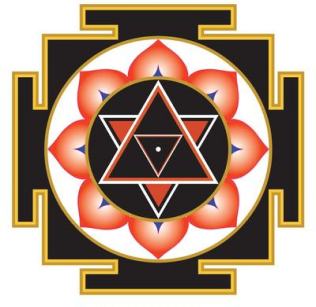
Mantra of Goddess Annapurna
Every day before eating, the family may chant softly: 'Om Annapūrne Sadāpūrne Shankara Prāna Vallabhe Jnāna Vairāghya Siddhyartam Bhikshām Dehi Cha Pārvati.' This *mantra* honours Annapurna and seeks not just food for the body, but wisdom and peace for the soul. The words are repeated with joined hands before meals—children, parents, and even grandparents—asking the goddess to help all beings find nourishment and contentment. In Annapurna temples, the mantra is sung with the ringing of bells and the warmth of cooked rice rising from Annadaan halls, where food is given freely to pilgrims and the poor. Even a single recitation gives confidence there will be enough for today, and brings the humble blessing that the joy of eating is never taken for granted.
Chalisa of Goddess Annapurna

Aarti of Goddess Annapurna
Frequently Asked Questions
FAQ stands for frequently asked questions. It's a page on a website that provides quick answers to common questions from customers and other visitors.

