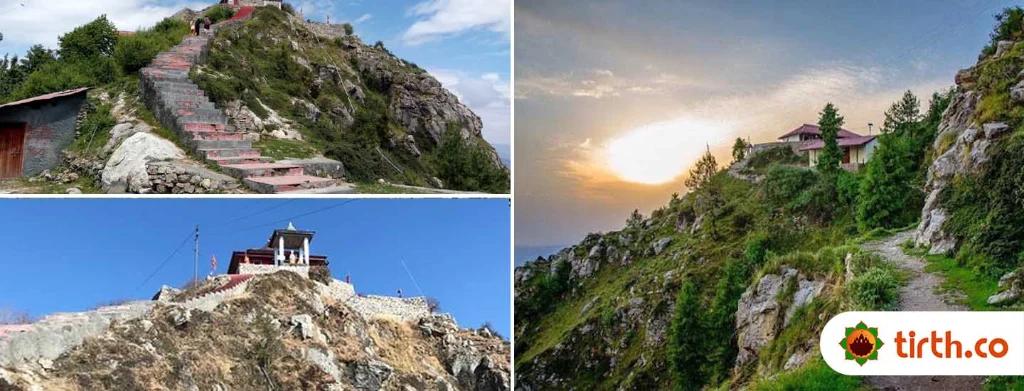
Shali Tibba Trek

Khatnol Village, Shimla, Himachal Pradesh
Yes, this *padyatra* is for those who wish to walk not with haste, but with a seeker’s heart. Just after sunrise, in Khatnol Village, farmers and travelers gather—some packing soft rotis, others tying woolen shawls or listening to elders offer a quick blessing. The road is quiet, with dogs, cows, and the mountain wind guiding the first steps. It feels less like a trek and more like returning to something—each footfall finds company in the sound of leaves, distant water, and the gentle voices of villagers heading to small temples below. The path begins as a dusty track between pine and cedar, winding upwards in switchbacks, each turn opening new views of lush Mashobra hills, tiny apple orchards, and banks of wildflowers blooming over the Nowle Gad river. It is a humble walk—birds call from high deodars, shepherds greet you with a namaste, and children point upward, already familiar with the sacredness of Shali Tibba. Pilgrims and trekkers walk together, resting on stone boulders, sharing water, a little fruit, or sometimes a laugh over the climb’s challenge. The early part is gentle, shaded and cool; as you climb beyond Sipi and the path narrows, the mountains seem to lean in, inviting quiet, reflection, and a slow letting go of the day’s noise. The last ascent is steep, rocky, and exposed—every step needs care. Here, silence falls naturally as the village sounds fade and the whole valley spreads below—Shimla, Kufri, Fagu, and in the distance, snow peaks shimmer. Many pause often, finding breath and patience through quiet prayer or mantra to Bhimakali Mata. The summit, when finally reached, is a clearing in the sky—a lone wooden-and-stone temple built in 1936 by the Raja of Faridkot, flags fluttering and bells swaying in the wind. Every walker bows deeply at the Bhimakali shrine, offering marigolds or a little sweet, lighting incense, and sometimes weeping with relief and joy at the vast 360-degree view. The air is fresh and sacred—this is not just a spot for photography, but a circle of open sky for silent gratitude, meditation, and a heartfelt wish whispered to the Goddess who watches over the land, especially during Navratri. Descent is slow, with many looking back—faces softer, hearts a little lighter, and every muscle made gentle by the kindness of the mountain and the simple rhythm of faith shared with companions and strangers along the way.
Details
Special Note:
- Hire a private vehicle to Khatnol Village for convenience as local bus frequency is low, especially early morning or post-noon.
- Expect a steep and demanding final ascent—move slowly, rest often, and keep encouraging one another as the last stretch is the most challenging but also the most fulfilling.
- Pack water, a light meal, and a walking stick if possible, as there are no shops along the higher reaches. Wear layered clothing due to shifting mountain temperatures.
- Avoid trekking during monsoon or heavy snow; the path becomes slippery and visibility may reduce—always check weather and leave early for maximum daylight.
Frequently Asked Questions
FAQ stands for frequently asked questions. It's a page on a website that provides quick answers to common questions from customers and other visitors.