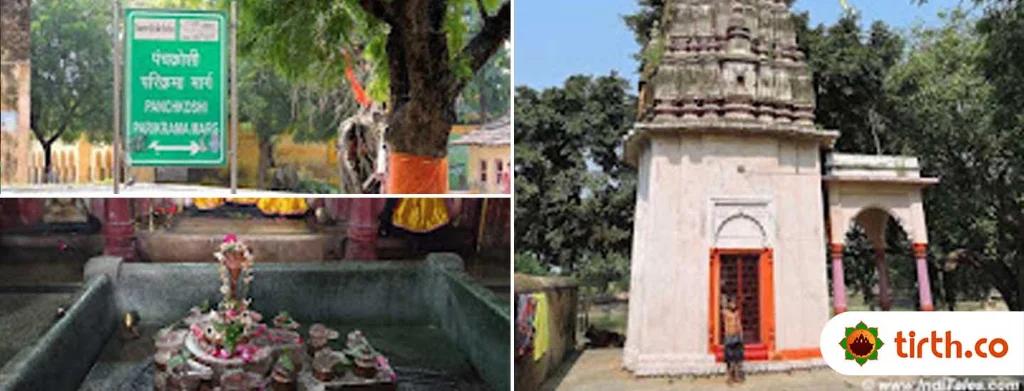
Panchkoshi Parikrama Varanasi

Manikarnika Ghat, Varanasi, Uttar Pradesh
Yes, this *padyatra* is for those who wish to walk the old heartbeat of Kashi, feeling faith grow with every step around Shiva's ancient city. Before sunrise, the streets near Manikarnika Ghat begin to stir. The gentle ringing of temple bells, the hum of pilgrims preparing quietly, and the faint glow of clay lamps on the Ganga create a sacred morning mood. Elders wrap warm shawls, women gather in small groups, and many sit for a moment at the ghat, praying for loved ones gone before stepping onto the 88-kilometer circuit that will encircle Varanasi and its sacred outskirts. From the very first step, the Panchkoshi Parikrama is about more than distance; it is living history. Pilgrims do not hurry. Many walk barefoot, some in simple chappals, all holding hands or keeping pace with their family or neighbors. The air fills with low chanting—*Har Har Mahadev*, *Om Namah Shivaya*—with some carrying brass lotas, water pots, or folded empty cloth bags to fill at holy wells. Simple prasad—fruits, softly made sweets, or nothing at all—feeds them more than food, especially as most choose to fast or eat lightly during the journey, keeping spirits and discipline high. As the parikrama winds through narrow city lanes and spreads out towards fields, each halt—Kardmeshwar, Bhimchandi, Rameshwar, Shivpur, and Kapildhara—is met with folded hands and soft prayers. Village women offer buttermilk at roadside, old men recite a Shiva mantra sitting under bodhi or peepal trees, and children call out “Parikrama, Parikrama!” as the groups pass. Every water stop, every shade, becomes a resting place where strangers become friends—sharing stories of past yatras, passing a bit of prasad, or massaging tired feet. The walk is not rushed. Yatris rest in dharamshalas, wake at dawn, and start again with fresh faith. At each temple, coconut and flowers are offered; at each ghat, pilgrims wash hands and face, some even take a holy dip if allowed. At night, the city glows with diya lamps—each family making their own circle of light and prayer before sleeping under open sky or simple shelter. For elders, the parikrama brings old memories; for youth, it is a lesson in patience and faith. For everyone, by journey’s end, there is cleansing: not just of body, but of mind—a gentle happiness, having walked as seekers, watched over by Shiva himself.
Details
Special Note:
- This parikrama follows the traditional Hindu calendar, with starting dates decided by priests according to the Panchangam for best spiritual impact.
- Because the path is well-planned and rest houses are found along the way, even families with elders and children can join comfortably, as long as they walk slowly and take breaks.
- Many devotees fast or eat only fruits and simple snacks during the journey, breaking their fasts only after the completion at the final ghat—this is seen as a mark of discipline.
- Walking in groups is safest and brings companionship. Local priests and guides are helpful at every stop—listen to their advice for rituals, safety, and directions.
Frequently Asked Questions
FAQ stands for frequently asked questions. It's a page on a website that provides quick answers to common questions from customers and other visitors.