Mangi Tungi Padyatra

Wadiware, Dindori Taluka, Nashik District, Maharashtra
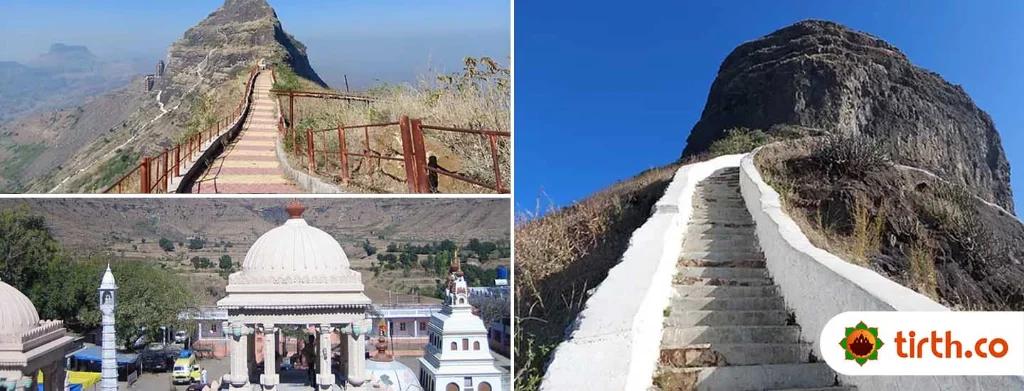
Yes, this *padyatra* is for those who wish to walk with an open heart, offering each step as a silent prayer for wisdom, humility, and peace. Before sunrise, small groups gather in Wadiware village, white-clad, shoulders bowed, tying their chadar with quiet intent. The air is cool and crisp; elders share last sips of water, mothers tie tilak on children's heads, and all close their eyes for a few moments of Navkar Mantra. Bells echo down the valley as the first steps rise toward the twin peaks of Mangi and Tungi. The path begins gentle, moving through Tahrabad's rustic lanes where villagers nod, content to see Jain yatris keeping the old discipline. Soon the slope stiffens—rock-cut steps twist upwards between crags, wildflowers beside the trail, mountain goats staring from the cliffs. It is a humble, honest walk; some barefoot, others supporting elders or slow movers, each group pausing in the shade when breath runs short. At Charan Paduka, all remove footwear, washing hands and feet, bowing at the ancient rock said to hold Lord Rishabhdev's footprints—a moment of stillness, gratitude, and old faith deepening heart and resolve. Children run ahead to see the world's tallest statue—108 feet of Lord Rishabhdev in tranquil meditation, gleaming against the morning light. Pilgrims chant softly, some weeping with memory or hope, lighting incense in tiny caves or offering a single flower where old Jain Tirthankaras once sat in austerity. Monks and sevadars direct new pilgrims—with folded hands, a smile, and gentle reminders to keep the mountain calm and mind clear. Higher up, each breath grows sacred—views open to the Sahyadris, caves with ancient images, and silent clusters of white-clad devotees chanting. Many walk in silence, reflecting on the saints who left the palace for these peaks, seeking nothing but moksha. At the summit, pilgrims bow at each cave, tracing lines of faith from Magadha to Nashik, from the stories of King Bharata’s penance to the liberation of 99 crores Jain ascetics. The climb is demanding, but each step feels lighter for those who walk with surrender; prayers linger in the wind, resting on the heart and the hush of the land. The descent brings stillness—paupers and merchants, children and monks, all walk home together, feeling peace where troubles once were, blessed by the spirit of the Siddha Kshetra.
Details
Special Note:
- No entry fee is charged for entry or darshan at Mangi Tungi—pilgrims of all backgrounds are welcomed with respect.
- Many yatris observe fasts, eat only boiled food, and perform strict austerities during the padyatra as a sign of devotion and self-purification.
- Travel in groups, especially on steep or rocky sections. Carry adequate drinking water, first-aid, and ensure all elderly members are supported.
- Dress in light, respectful clothes—avoid loud music, maintain silence near temples and Charan Paduka, and keep the route clean and pure for all yatris.
Frequently Asked Questions
FAQ stands for frequently asked questions. It's a page on a website that provides quick answers to common questions from customers and other visitors.