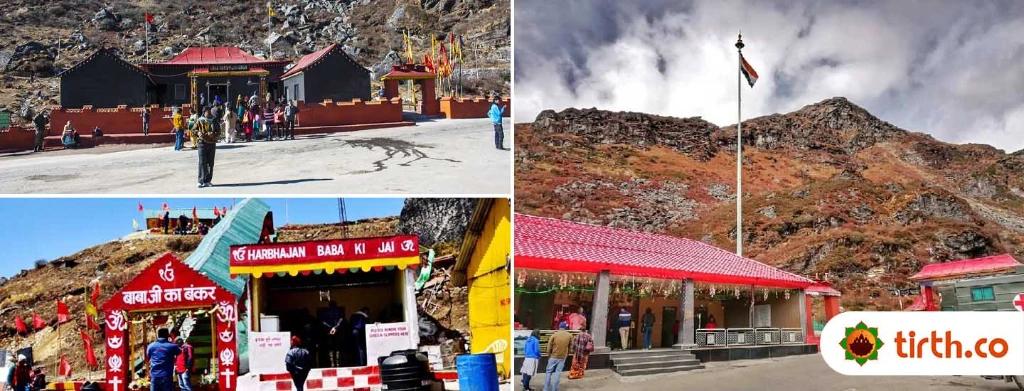
Baba Mandir Trek

Nathula Pass, East Sikkim, Sikkim
Yes, this *padyatra* is for those who wish to walk in faith, conscience, and gratitude—not just for personal blessing, but in silent honor of those who serve the nation without rest. Early morning in Gangtok, small groups gather, woolen caps pulled tight, hot tea shared against the mountain chill. Jeeps and buses leave the city before sunrise, carrying pilgrims, families, and soldiers’ children along winding, misty roads toward Tsomgo Lake and Nathula. The air grows thin; even experienced trekkers pause to breathe as prayer flags snap in the brisk wind and army convoys rumble up steep hills. At the trek’s foot, near the Kupup Gnathang road, all are greeted by jawans and guides offering advice on the weather—move slowly, hydrate well, and be humble in speech. The walk is not long, but every step feels meaningful as the snow peaks of Tibet press close and the tricolor waves above silent barracks. Stories of courage and sacrifice circulate gently in whispers—Baba Harbhajan Singh’s legend is real here: how his spirit is believed to guard the border, warn soldiers of danger, and ensure the safety of all who visit. The Baba Mandir, perched at nearly 13,000 feet, is more than a shrine—it is a promise kept. Pilgrims, army families, and locals queue patiently to bow before his image—boots lined up outside, hands folded, heads bowed low. The temple is simple, decorated with offerings of water bottles (Baba's own legacy), army uniforms, and letters from soldiers and families across India. At the new Baba Mandir, built for tourists, prayers take the shape of notes, flowers, and quiet words for health, forgiveness, or the safe return of a loved one serving far away. Guides pause to tell all: take a cup of tea from the langar, touch the walls with respect, and always take back the blessing of discipline and courage. Some light a diya or share a biscuit—many leave with their hearts lighter, carried by faith in service that continues beyond death. On misty days, with snow brushing the roads and clouds wrapping the mountains, the silence at the shrine is profound—no one laughs loud, no music blares, only the soft sound of prayer and the knowledge that every step here honors generations of guardians. The descent is easy but mindful—reminders to dress warm, walk slow, and return before dusk. As jeeps carry pilgrims back down, many do not speak, lost in the memory of stories and a feeling that the nation’s heart beats here, sheltered by a soldier who never left his post.
Details
Special Note:
- All visitors must be prepared for high-altitude conditions—move slowly, acclimatize in Gangtok, and carry necessary medicines for altitude sickness.
- Strictly respect local customs, Indian Army protocols, and border regulations during the trek—Baba Mandir is located very close to the Indo-China border.
- A Protected Area Permit (PAP) is compulsory and must be arranged through a registered Sikkim travel operator—ensure all documents are ready.
- The area is off-limits to foreigners (Non-Indians, NRIs, and OCIs); only Indian citizens with valid permits may visit or participate in the trek.
Frequently Asked Questions
FAQ stands for frequently asked questions. It's a page on a website that provides quick answers to common questions from customers and other visitors.