 AI starter
Essential Ranikhet
1 daypacked pace
See the most important spiritual highlights of Ranikhet in one focused day.
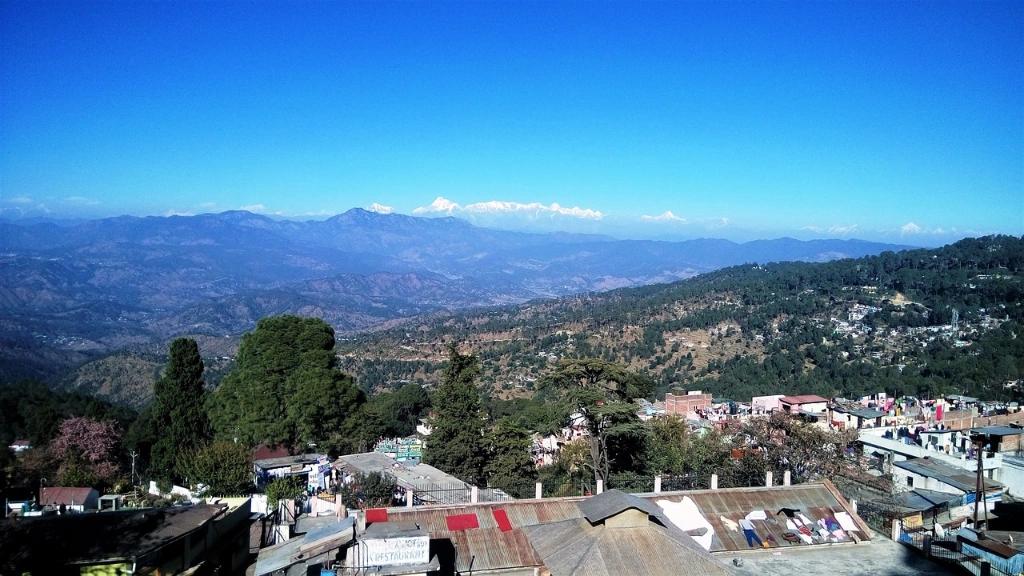
Ranikhet, meaning 'Queen's Meadow,' is a picturesque hill station and cantonment town in the Almora district of Uttarakhand. It is known for its panoramic views of the Himalayas, sprawling green meadows, and colonial-era charm.
Ask about darshan, timings, stays, food, or nearby sacred places. Kanha opens beside this page, so you never lose your place.
Start with an idea, then adjust the dates, pace, interests, and travel group inside the Kanha panel.
AI starterSee the most important spiritual highlights of Ranikhet in one focused day.
 AI starter
A comfortable two-day route through Ranikhet's key temples and sacred places.
 AI starter
A gentler family itinerary with time for darshan, rest, food, and local travel.
AI starterGo deeper into the rituals, stories, temples, and nearby sacred places around Ranikhet.
See all temples and their timings in Ranikhet at one place
 Transportation
 Emergency Contact
The nearest airport is at Pantnagar, about 125 kilometers from Ranikhet. From the airport, you can hire a taxi or use public transport to reach Ranikhet.

The nearest railway station is at Kathgodam, approximately 90 kilometers away. Kathgodam is connected by rail directly with Delhi, Lucknow, and Dehradun.

Local transportation includes buses, taxis, and auto-rickshaws available within and near the town.