
Vimalnatha
About Vimalnatha
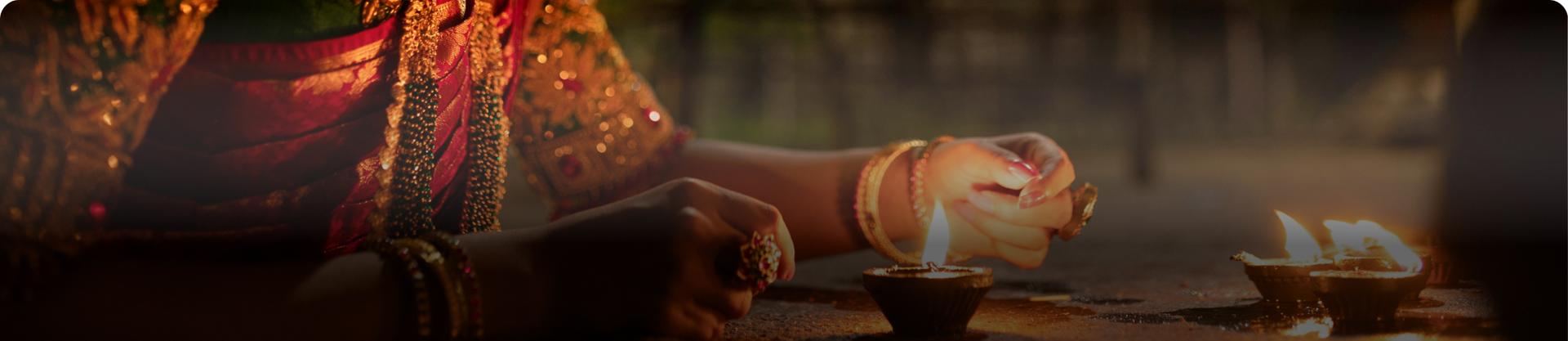
Vimalnatha is honoured as the thirteenth Tirthankara of Jainism’s present age, Avasarpini. Born to King Kratavarma and Queen Shyamadevi in Kampilya of the Ikshvaku dynasty, he is remembered for his pure life, clarity of mind, and deep compassion. The name 'Vimalnatha' itself means one who is spotless or pure—reflecting the peace and positive energy present around his birth. From his earliest days, he demonstrated qualities of gentle leadership, truthfulness, and non-attachment. In Jain homes, Vimalnatha is worshipped as a Siddha—a liberated soul—who set the example for right conduct and self-realization. Lamps are lit, beautiful rangolis are drawn, and children are taught his story: a path of renunciation, discipline, and service to others, all leading towards the highest goal—spiritual freedom. Families bow before his serene image and pray for purity of thought and inner peace in daily life.



Mantra of Vimalnatha
Every morning, the soft repetition of the Navkar Mantra drifts from Jain homes and temples: 'Namo Arihantanam, Namo Siddhanam, Namo Ayariyanam, Namo Uvajjayanam, Namo Loe Savva Sahunam…' While Vimalnatha has no special mantra of his own, this chant honours all enlightened ones, including him. It is the living heart of Jain worship—a prayer not for blessings of wealth or fame, but for peace, understanding, and the destruction of inner attachment. Reciting the Navkar Mantra with faith and a clear mind is seen as a daily act of purification, creating an atmosphere of harmony that encourages right speech and gentle behaviour. Small offerings of grains, fragrant flowers, or water are made during mantra recitation. Even children learn from an early age to join in, feeling the comfort of quiet routine, the loving gaze of their elders, and the steady guidance of Tirthankaras like Vimalnatha.
Chalisa of Vimalnatha

Aarti of Vimalnatha
Frequently Asked Questions
FAQ stands for frequently asked questions. It's a page on a website that provides quick answers to common questions from customers and other visitors.

