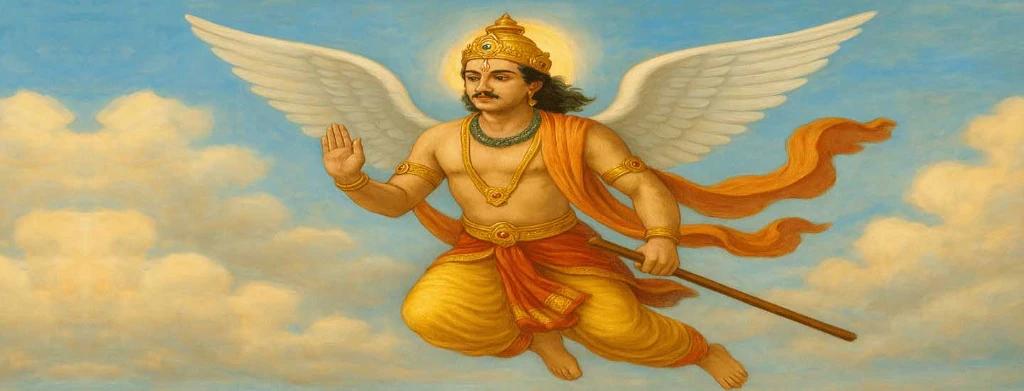
Vayu
About Vayu
Vayu, the god of wind, is honoured across India as the silent but ever-present giver of life. He is not seen, but his presence is felt in every breath, every moving leaf, and the freshness carried by the morning breeze. In homes, when doors are opened before dawn, families thank Vayu for the air that cools the room and gives new energy to start the day. Vayu is much more than just the wind—he stands for *prana*, the life force flowing in all beings, and is one of the five great elements (Pancha Bhutas) in Hindu thought. He symbolizes purity, health, and the power to move forward. Worshipped as a gentle protector, Vayu is also a fierce and strong force when needed. He holds an invisible hand over every living thing, keeping the world in balance and helping the soul breathe, think, and grow.


Mantra of Vayu
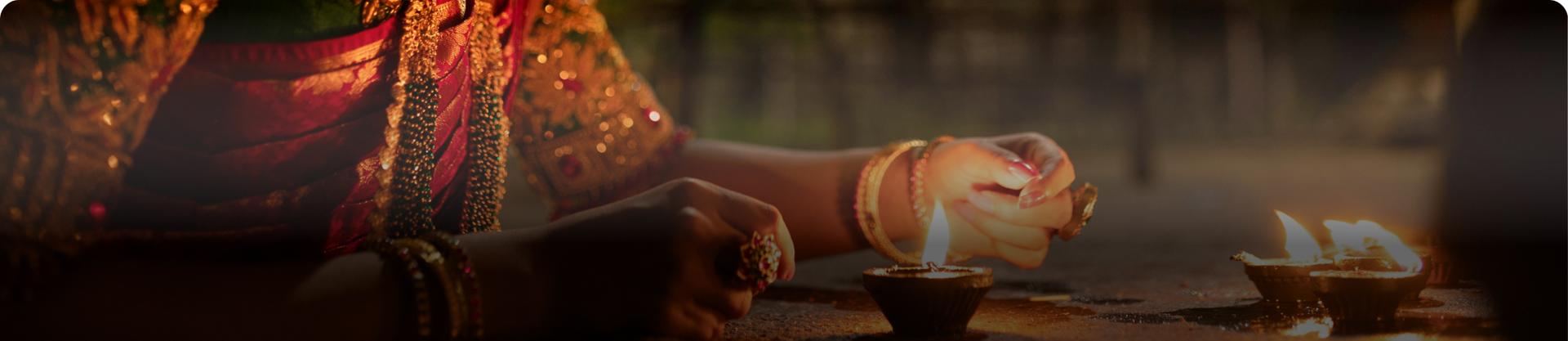
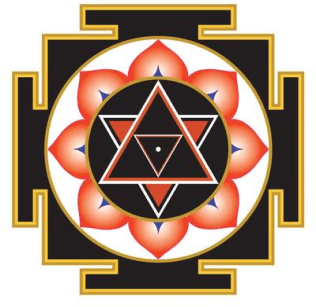
Each day, as the sun rises, children and elders alike may sit together and chant 'Om Vayave Namaha.' This is the Vayu Gayatri *mantra*, offered with folded hands for health, mental clarity, and peace. The words are soft and simple, matching the lightness of the breeze. Even a few repetitions make the air feel fresher and the mind steadier. Parents teach this *mantra* to help children before exams, travels, or when feeling weak, trusting Vayu to fill them with vitality. In larger rituals, priests start prayers by invoking Vayu so that all other gods may respond. The *mantra* is a blessing for steady breath, clean surroundings, and freedom from disease. Some also recite it during yoga, pranayama, or before lighting the sacred fire, knowing that without wind, there can be no flame. In all homes, the *mantra* brings quiet gratitude for the life, energy, and freshness that Vayu gives.
Chalisa of Vayu

Aarti of Vayu
Frequently Asked Questions
FAQ stands for frequently asked questions. It's a page on a website that provides quick answers to common questions from customers and other visitors.

