
Shreyansanath
About Shreyansanath
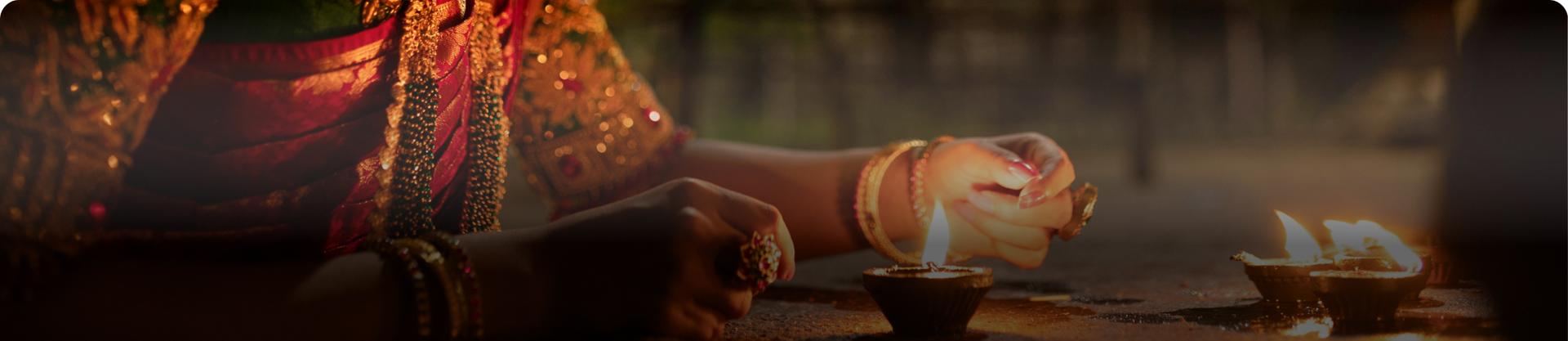
Shreyansanath, the eleventh Tirthankara in Jainism's present age (Avasarpini), is remembered as a great spiritual guide who helped countless souls break free from the chains of worldly suffering. Born to King Vishnu and Queen Vishnu Devi in Simhapuri near Sarnath, his birth was celebrated across the kingdom as a sign of good fortune and noble destiny. Known for his majestic height and peaceful presence, his very name means 'one who brings good credit or benefit.' Families honour him for showing the way to destroy karma, live with clarity, and rise above endless cycles of birth and death. In Jain homes, the day begins with gentle prayers and the lighting of lamps at his altar, with offerings made to invoke his blessings for clarity, discipline, and freedom from attachment.


Mantra of Shreyansanath
The chanting of the Navkar Mantra is at the centre of Shreyansanath’s worship. 'Namo Arihantanam, Namo Siddhanam, Namo Ayariyanam, Namo Uvajjayanam, Namo Loe Savva Sahunam…' This prayer, recited morning and evening, pays respect to all enlightened souls, and especially inspires virtue, humility, and spiritual courage in the heart of the devotee. Although no exclusive mantra for Shreyansanath exists, reciting the Navkar Mantra in his presence is believed to purify karma, grant inner peace, and help break free from attachment. Many families light a ghee lamp, place fresh leaves around his idol, and let the mantra’s gentle vibrations fill the room—helping the heart become as steady and strong as a rhinoceros, ready to walk the difficult path of liberation. Children learn the mantra from elders, repeating it softly before school or at bedtime, building a habit of trust and spiritual confidence from a young age.
Chalisa of Shreyansanath

Aarti of Shreyansanath
Frequently Asked Questions
FAQ stands for frequently asked questions. It's a page on a website that provides quick answers to common questions from customers and other visitors.

