
Sheetalnath
About Sheetalnath
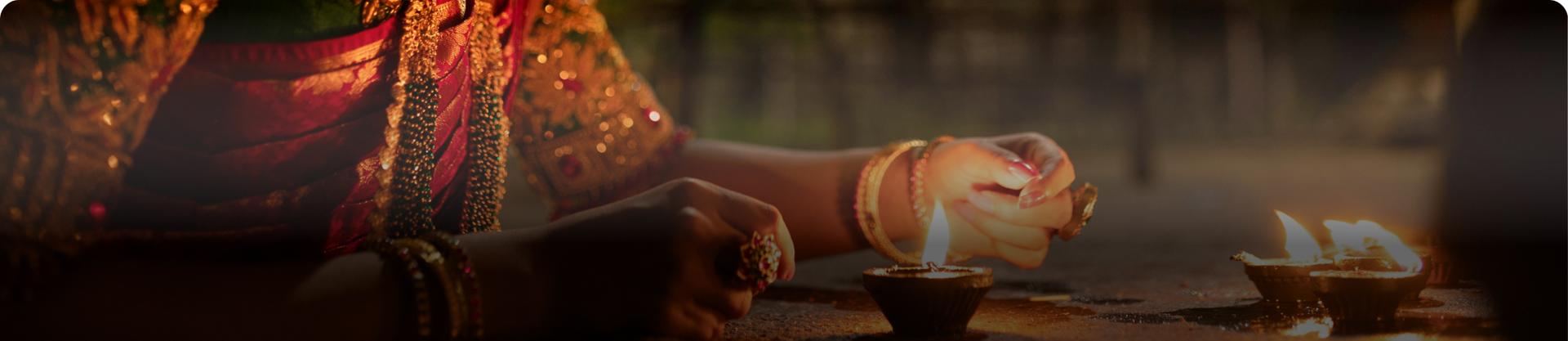
Sheetalnath, the tenth Tirthankara of the current time cycle in Jainism, is revered for his calm wisdom, gentle presence, and teaching of true non-violence. Born in Bhaddilpur to King Dridhratha and Queen Nanda Devi, his arrival was marked by fourteen auspicious dreams seen by his mother, a sign of the coming of a great soul. His name, meaning 'cool and calm', reflects both his nature and a touching story: Queen Nanda’s gentle touch relieved her husband’s burning fever, bringing a wave of comfort over the family. Sheetalnath grew up as a compassionate and just king, guiding his people with patience and kindness. He emphasised the importance of right thinking, right action, and purity of mind. For Jain families, Sheetalnath’s life is a reminder to be steady and peaceful, not just in prayer but in every small act of daily life. Lamps are lit at dawn, soft chants fill the quiet room, and devotees bow before his idol, seeking his coolness of mind and heart.



Mantra of Sheetalnath
The most revered *mantra* for Sheetalnath, as with all Tirthankaras, is the sacred Navkar Mantra: 'Namo Arihantanam, Namo Siddhanam, Namo Ayariyanam, Namo Uvajjayanam, Namo Loe Savva Sahunam...' Recited at the break of dawn or in the calm of the evening, this universal Jain prayer honours the enlightened souls, liberated beings, spiritual teachers, and all who walk the ascetic path. Though not unique to Sheetalnath, the mantra is believed to bring peace and spiritual freshness, helping to cool restlessness and bring steadiness to the heart. Small children repeat it before school, elders chant it in the quiet corners of homes, and it is sung softly in temples for protection and blessing. The act of chanting, along with offering incense, flowers, or water, draws the mind away from everyday worries and closer to Sheetalnath’s ideal of purity and true inner coolness.
Chalisa of Sheetalnath

Aarti of Sheetalnath
Frequently Asked Questions
FAQ stands for frequently asked questions. It's a page on a website that provides quick answers to common questions from customers and other visitors.

