
Parshwanath
About Parshwanath
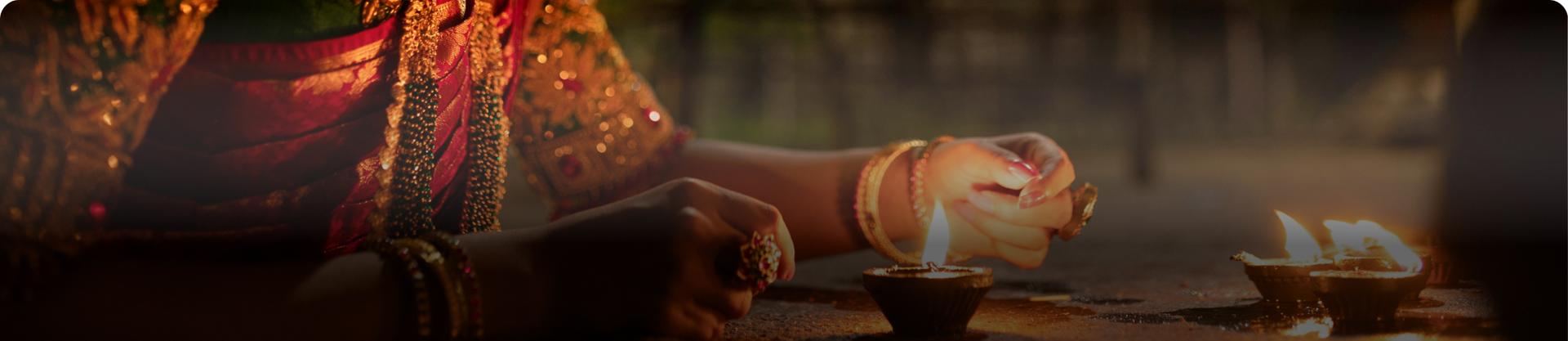
Parshwanath, the twenty-third Tirthankara in Jainism, is one of the most dearly revered spiritual guides among Jain families. Born to King Ashwasen and Queen Vama in the sacred city of Varanasi, Parshwanath’s life is celebrated for his deep compassion, patience, and unwavering discipline. He lived for one hundred years, during which he preached for seventy years, inspiring people to live with kindness, non-violence, and truthfulness. Parshwanath is easily recognised by the serpent hood over his head—a symbol of divine protection and spiritual power, always reminding devotees of the story where he was shielded during great hardship by Dharanendra and Padmavati. In Jain homes, his image or picture is placed with care, lamps and incense are lit, and families pray for protection, wisdom, and freedom from worldly troubles by remembering his steady example.



Mantra of Parshwanath
The Navkaar Mantra forms the heart of Parshwanath’s daily worship. 'Namo Arihantanam, Namo Siddhanam, Namo Ayariyanam, Namo Uvajjhayanam, Namo Loe Savva Sahunam...' This sacred formula is recited by Jain families everywhere, morning and evening, often while lighting a lamp before Parshwanath’s image. Though the mantra honours all Tirthankaras, Parshwanath’s presence is felt especially clearly when it is sung with devotion, helping minds settle and hearts find strength in difficulty. Reciting the mantra is believed to bring about spiritual growth, remove fear, and deepen peace at home. Families also say 'Jai Parshwanath Prabhu' after the mantra, especially in times of stress or before major journeys, trusting in his protection. The simple act of chanting the Navkaar Mantra, sometimes with folded hands and gentle music, helps everyone—young and old—feel the blessings of Parshwanath’s unwavering inner stillness.
Chalisa of Parshwanath

Aarti of Parshwanath
Frequently Asked Questions
FAQ stands for frequently asked questions. It's a page on a website that provides quick answers to common questions from customers and other visitors.

