
Padmaprabha
About Padmaprabha
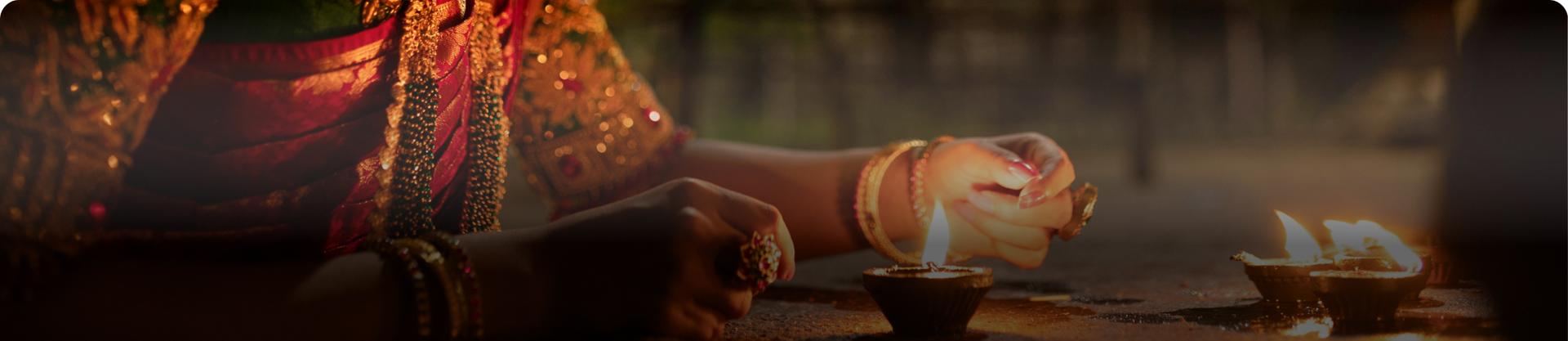
Padmaprabha, the sixth Jain Tirthankara of the present age, is cherished as a radiant example of purity, wisdom, and liberation. Born in Kausambi to King Shridhar and Queen Susimadevi, his name means 'bright as a red lotus', symbolising his gentle radiance and spiritual beauty. As Tirthankara, he is looked upon not as a miracle worker but as a perfect guide, showing the path to moksha by his own example. Jain devotees bow before his image, recalling how he conquered desires, practised compassion, and shared the right path with all beings. Children grow up hearing stories of Padmaprabha’s gentle leadership, his deep meditation under the banyan tree, and his serene presence shining like a lotus blooming even in darkness. Each day, lamps are lit before his idol, prayers are sung softly, and grains and flowers are offered, asking for inner peace, wisdom, and the humility to walk the way to liberation.


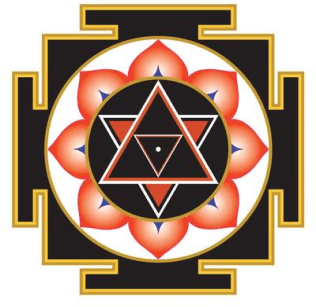
Mantra of Padmaprabha
As soft bells chime and the first light filters in, the main *mantra* sung in honour of Padmaprabha is the sacred Navkār-mantra. 'Namo Arihantanam, Namo Siddhanam, Namo Ayariyanam, Namo Uvajjhayanam, Namo Loe Savva-sahunam.' This ancient prayer pays deep respect to enlightened teachers, liberated souls, worthy preceptors and monks, and all saintly beings. Though not specific only to Padmaprabha, this mantra aligns perfectly with his message of humility, surrender, and non-attachment. Children and elders recite it together before meals, journeys, or at the start of new work, letting the words clear the mind and inspire gentle conduct. Chanting the Navkār-mantra creates an atmosphere of trust, serenity, and gratitude. Many find that the steady repetition lifts the heart above anxiety and brings the blessings of Padmaprabha—a mind at rest and a spirit eager for the path of liberation.
Chalisa of Padmaprabha

Aarti of Padmaprabha
Frequently Asked Questions
FAQ stands for frequently asked questions. It's a page on a website that provides quick answers to common questions from customers and other visitors.

