
Munisuvrata
About Munisuvrata
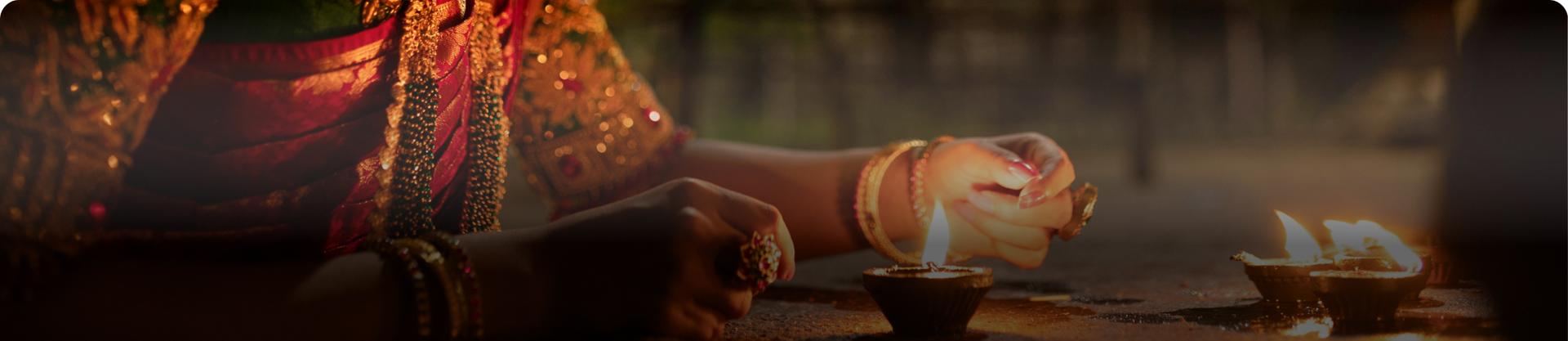
Munisuvrata, also known as Munisuvratanatha, stands as the twentieth Tirthankara in the present Jain half time cycle (avasarpini). He is deeply respected by Jain devotees for his long life of gentle discipline, spiritual strength, and pure compassion. Born in Rajgir to King Sumitra and Queen Padmavati of the Harivamsa clan, Munisuvrata’s birth was marked by auspicious dreams, and from early childhood he showed deep kindness, patience, and wisdom. His symbol is the tortoise, reminding all of moving patiently and steadily on the spiritual path. Devotees light lamps and offer fragrant flowers before his peaceful idol, praying for steadfastness, clarity, and the spirit to overcome anger and rash desires. In both daily life and festivals, families remember Munisuvrata's teachings by practicing small acts of honesty, non-violence, and kindness to all living beings.



Mantra of Munisuvrata
Each morning begins with the sound of the Navkar Mantra, Jainism’s universal prayer: 'Namo Arihantanam, Namo Siddhanam, Namo Ayariyanam, Namo Uvajjhayanam, Namo Loe Savva Sahunam. Eso Panch Namokkaro, Savva Pavappanasano, Mangalanam Cha Savvesin, Padhamam Havai Mangalam.' Though there is no specific mantra only for Munisuvrata, these words honor him along with all the Tirthankaras. The mantra’s repetition, whether softly in a child’s voice or sung during temple aarti, calms the heart and mind. As each prayer rises, families remember the meaning of Munisuvrata’s symbol: perseverance, protection, and endurance in all situations. Parents encourage children to chant the mantra before studies or journeys, believing it removes obstacles, purifies the mind, and strengthens patience. Many devotees recite slokas or lines from Jain scriptures, reflecting on compassion and the clear seeing that comes from inner peace.
Chalisa of Munisuvrata

Aarti of Munisuvrata
Frequently Asked Questions
FAQ stands for frequently asked questions. It's a page on a website that provides quick answers to common questions from customers and other visitors.

