Mariamman
About Mariamman
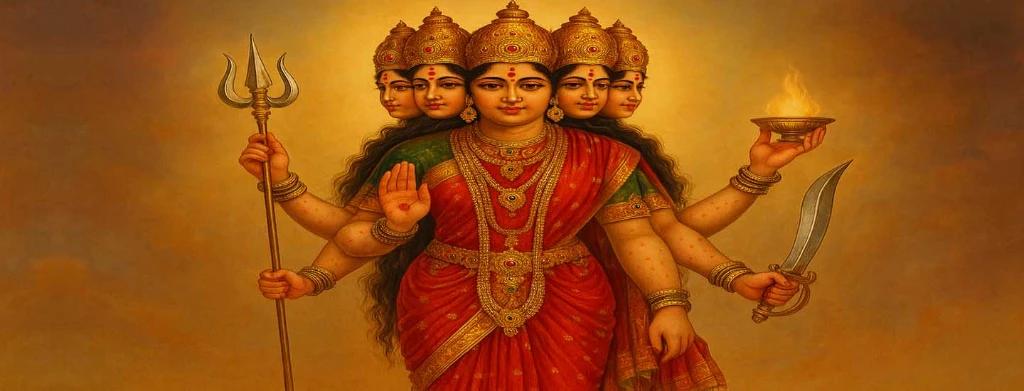
Mariamman is honoured as the Tamil mother goddess of rain, health, and rural prosperity. For centuries, she has been the protective guardian in every village, called upon as 'Mari' (rain) and 'Amman' (mother). In the hearts of local families, she is the giver of life—bringing much-needed showers to dry fields, blessing children with good health, and driving away heat-borne illnesses like smallpox and chickenpox. Her altars, simple but vibrant, can be found under neem trees or at the edge of rice paddies, decorated with turmeric, mango leaves, and red flowers. When the first clouds gather after a long drought or when fever sweeps a village, everyone gathers at her shrine, lighting lamps and offering thanks or prayers for mercy. Elders teach that Mariamman is not just a goddess of nature, but the spirit of every mother’s care and every community’s hope for renewal, strength, and a good harvest.



Mantra of Mariamman
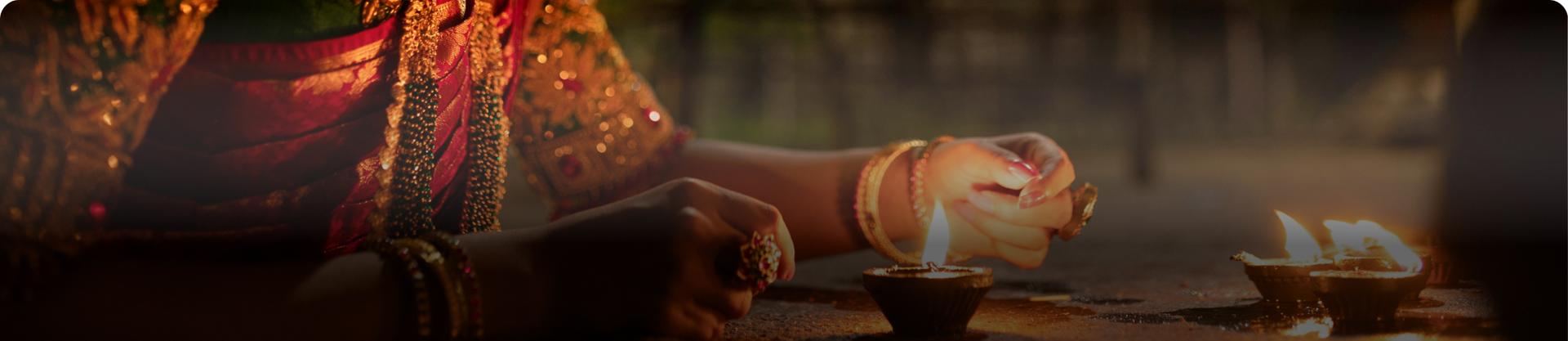
As the lamp is lit at Mariamman's altar, families begin with the Mariamman Gayatri *mantra*: 'Ohm pisaasathvajaaya vidhmahe, katka hasthaya theemahi, Thanno maari prachodayath.' The chanting is soft and steady, filled with longing for protection, rain, and good health. Even children join, their voices weaving with the rustling leaves and the wind outside. This *mantra* is said to carry prayers for the sick, invite rainfall to thirsty fields, and bless marriages and new births. Many mothers whisper it while applying turmeric to a child’s forehead or stirring pongal for the offerings. During village festivals, the *mantra* is led by priestesses and echoed by the whole community, the sound travelling across fields as the sky darkens with the promise of rain. The power of the *mantra* is not in formality, but in the trust and sincerity of those who sing it—knowing that the mother listens to every call, no matter how simple.
Chalisa of Mariamman

Aarti of Mariamman
Frequently Asked Questions
FAQ stands for frequently asked questions. It's a page on a website that provides quick answers to common questions from customers and other visitors.

