
Mandodari
About Mandodari
Mandodari is remembered as the wise and gentle queen consort of Ravana, the king of Lanka, in the epic Ramayana. Renowned for her beauty, piety, and unwavering commitment to dharma, she is often mentioned among the Panchakanya—the five revered women whose names are recited to dispel sin and bring strength in troubled times. In every tradition that reveres her, Mandodari is not simply admired for her presence in Ravana’s palace, but for her depth of character, her humility, and her unique power to speak truth with courage. In temple gatherings and family prayers, the name 'Mandodari' is whispered in the hope that her patience, moral clarity, and quiet strength will be reflected in every seeker who wants to walk the righteous path, even amidst turmoil. She is also invoked as a symbol of forgiveness, compassion, and the transformative potential of feminine wisdom.


Mantra of Mandodari
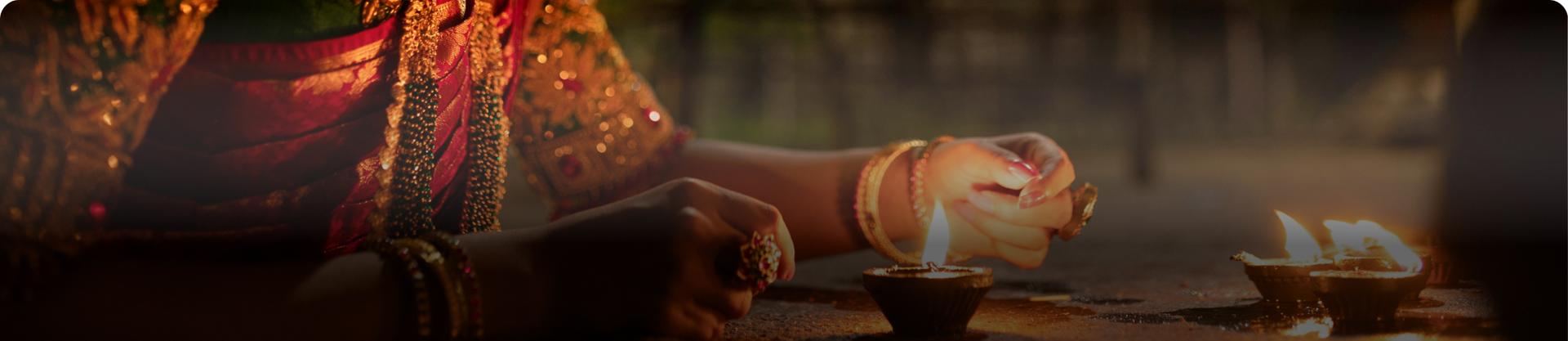
There are no ancient mantras recorded that are dedicated only to Mandodari, but her constant devotion to Parvati and the ideal of feminine strength inspires devotees to chant Shakti mantras. The most common is 'Om Shakti Om' or 'Om Parvatyai Namaha,' honoring the divine feminine energy that Mandodari so beautifully embodied. In the mornings, mothers and daughters might light a lamp and recite this mantra, praying for clarity in speech, strength in crisis, and the wisdom to handle family challenges with love instead of anger. During Navratri or women’s special gatherings, this mantra is sung before Mandodari’s story is retold, and her loyalty, patience, and moral courage are invoked. In everyday practice, calling the names of Parvati, Sita, or Mandodari together is seen as a powerful way to anchor one’s mind in the highest ideals of womanhood and resilience.
Chalisa of Mandodari

Aarti of Mandodari
Frequently Asked Questions
FAQ stands for frequently asked questions. It's a page on a website that provides quick answers to common questions from customers and other visitors.

