
Lord Dharmanath
About Lord Dharmanath
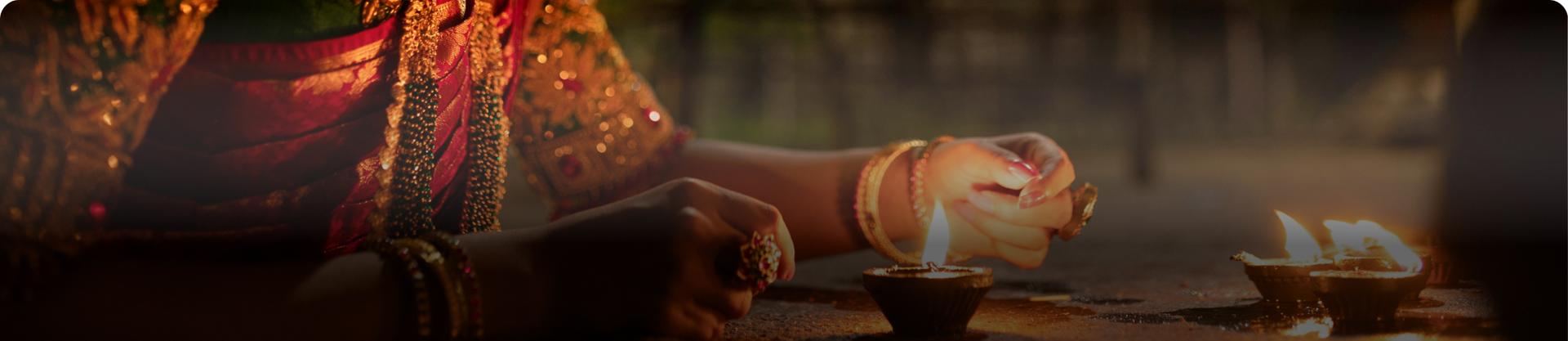
Lord Dharmanath, the fifteenth Tirthankara of the present Avasarpini in Jainism, is cherished for his deep wisdom, spiritual discipline, and compassion. Born in Ratnapuri to King Bhanu Raja and Queen Suvrata Rani, he belonged to the ancient Ikshvaku dynasty. His symbol is the vajra—thunderbolt—standing for unshakable resolve and spiritual power. Devotees remember him during their daily prayers for his journey from royal comfort to absolute renunciation. In Jain homes and temples, lamps are lit and fragrant incense rises as people bow to his idol, seeking clarity of mind, patience, and the courage to conquer inner weaknesses. His teachings, preserved in scriptures and echoed in evening bhakti, remind everyone that true happiness comes from conquering anger, pride, and greed, and finding peace within oneself.


Mantra of Lord Dharmanath
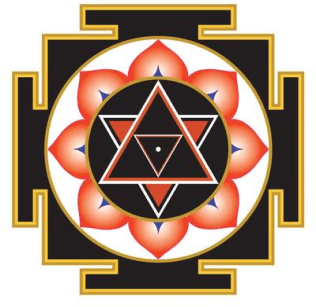
In the peaceful spaces of Jain temples and homes, the most common mantra recited is the Navkar Mantra, which honours all the Tirthankaras, including Lord Dharmanath. Although there is no mantra solely for him, the Navkar Mantra—'Namo Arihantanam, Namo Siddhanam, Namo Ayariyanam, Namo Uvajjhayanam, Namo Loe Savva Sahunam'—is a pillar of Jain prayer. As devotees say the mantra, either softly or in group chanting, they seek blessings for inner peace, clarity, and spiritual growth. Parents teach their children to recite this prayer upon waking up, before studies, and when facing difficulties, believing it brings calm, focus, and balance. The rhythm of chanting, often with a mala of beads or holding the idol’s feet, quiets the mind, helping devotees remember Lord Dharmanath’s example of patience, discipline, and the steady letting go of life’s distractions.
Chalisa of Lord Dharmanath

Aarti of Lord Dharmanath
Frequently Asked Questions
FAQ stands for frequently asked questions. It's a page on a website that provides quick answers to common questions from customers and other visitors.

