
Kunthunath
About Kunthunath
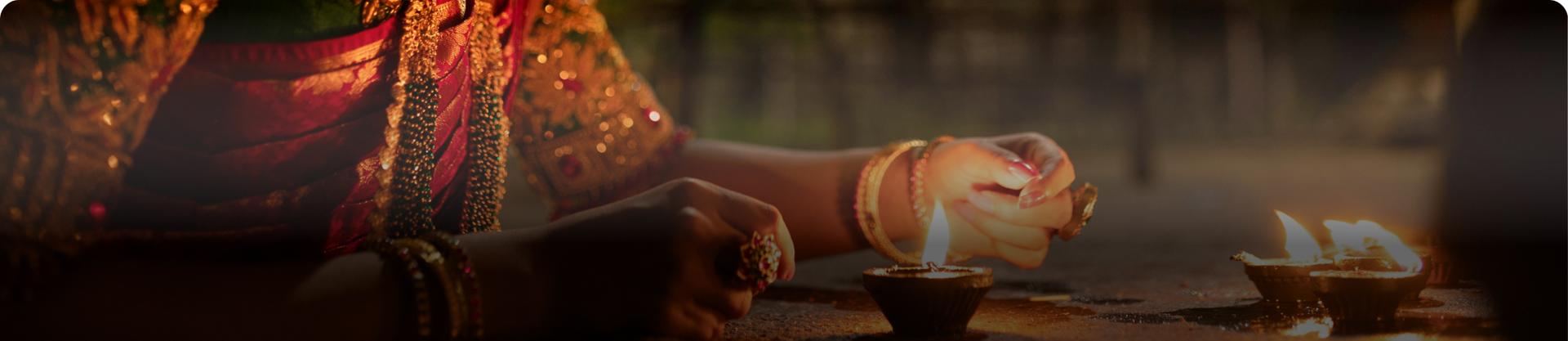
Kunthunath is honoured as the seventeenth Tirthankara in Jainism, respected for his unwavering discipline, non-violent rule, and steady guidance on the path to liberation. Born to King Surya and Queen Shridevi in the ancient city of Hastinapur, he was part of the Ikshvaku dynasty. His life is a gentle reminder for all—no matter how powerful or wealthy, true happiness comes only from renouncing ego and following a path of self-mastery. Devotees remember Kunthunath as a king who united lands without shedding blood. Lamps glow in Jain homes and temples, prayers are recited in the calm hours before dawn, and the fragrance of incense spreads gently through the air, as families seek his blessings for the strength to live rightly, speak the truth, and practise humility every day.


Mantra of Kunthunath
In the moment before sunrise, families gather for prayer and softly chant the Navkar Mantra: 'Namo Arihantanam, Namo Siddhanam, Namo Ayariyanam, Namo Uvajjayanam, Namo Loe Savva Sahunam.' Though there is no specific mantra for Kunthunath alone, this sacred Jain prayer includes him among all Tirthankaras and is the foundation of daily spiritual discipline. The mantra is recited with folded hands, some turning a mala bead by bead, and others simply listening, allowing the words to quiet their minds. The steady rhythm brings an inner peace and strengthens the resolve to avoid violence, deceit, and greed. Parents gently teach this mantra to children, reminding them that every syllable is a step on the path of right living. The act of chanting is more than ritual; it is a way to draw wisdom, self-control, and grace into everyday actions, just as Kunthunath taught through his life and teachings.
Chalisa of Kunthunath

Aarti of Kunthunath
Frequently Asked Questions
FAQ stands for frequently asked questions. It's a page on a website that provides quick answers to common questions from customers and other visitors.

