
Goddess Jayanti Devi
About Goddess Jayanti Devi
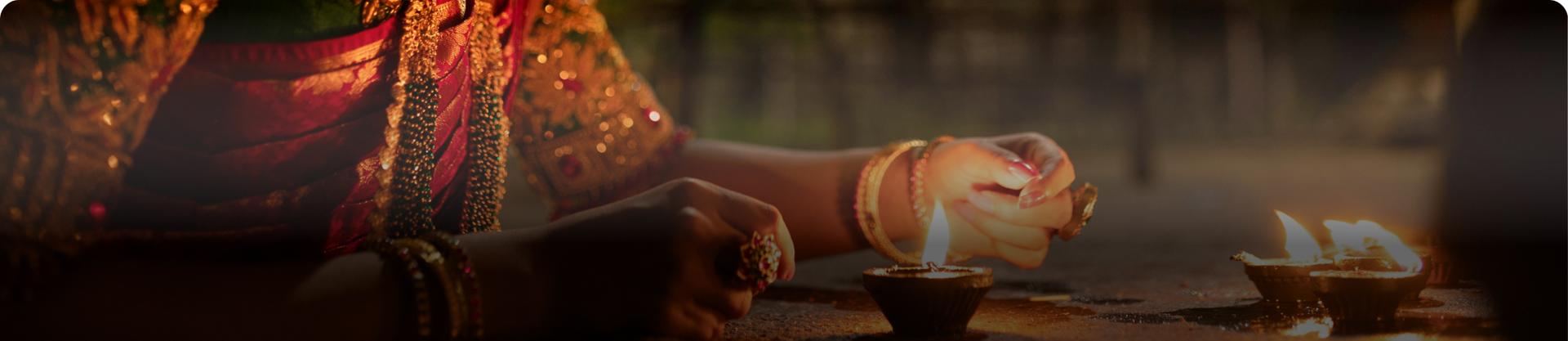
Goddess Jayanti Devi is worshipped as a sensitive, graceful, and deeply benevolent mother who listens to the heartfelt prayers of her devotees. In Hindu tradition, she is most widely known as the daughter of Indra, the king of the devas, and his consort Shachi. Jayanti Devi’s presence is celebrated especially in the northern regions of India, where she is counted as one of the revered 'seven sisters' of the Kangra Valley. Her temple, nestled in Majri village near Chandigarh, Punjab, draws countless pilgrims and families every week, thanking her for blessings, relief from troubles, and the fulfillment of wishes. In every home where her name is known, diyas are lit and flowers offered at dawn, with a gentle faith that Jayanti Devi sees the unseen, takes away sorrow, and brings calm, abundance, and kindness into real life.


Mantra of Goddess Jayanti Devi
There are no exclusive ancient mantras recorded for Jayanti Devi, but temples and homes fill with the soft chanting of general goddess prayers as acts of daily devotion. Many recite 'Om Shri Devi Jayanti Namaha', honouring her name, or use simple lines like 'Jayanti Devi ki Jai' when offering flowers or lighting a lamp. Chants and aarti songs used for Durga or Parvati, such as 'Om Dum Durgayei Namaha', are also common among her followers. Worshippers sit with eyes closed, palms pressed in prayer, calling for Jayanti Devi to remove fear, bless children’s progress, and answer the unspoken longing in every heart. On festival days at Majri, the air rings with bhajans, drums, and the repeated invocation of her name—a living song that reassures both new and old devotees that the goddess is near, gentle, and attuned to both large wishes and small worries.
Chalisa of Goddess Jayanti Devi

Aarti of Goddess Jayanti Devi
Frequently Asked Questions
FAQ stands for frequently asked questions. It's a page on a website that provides quick answers to common questions from customers and other visitors.

