
Goddess Chowdeshwari
About Goddess Chowdeshwari
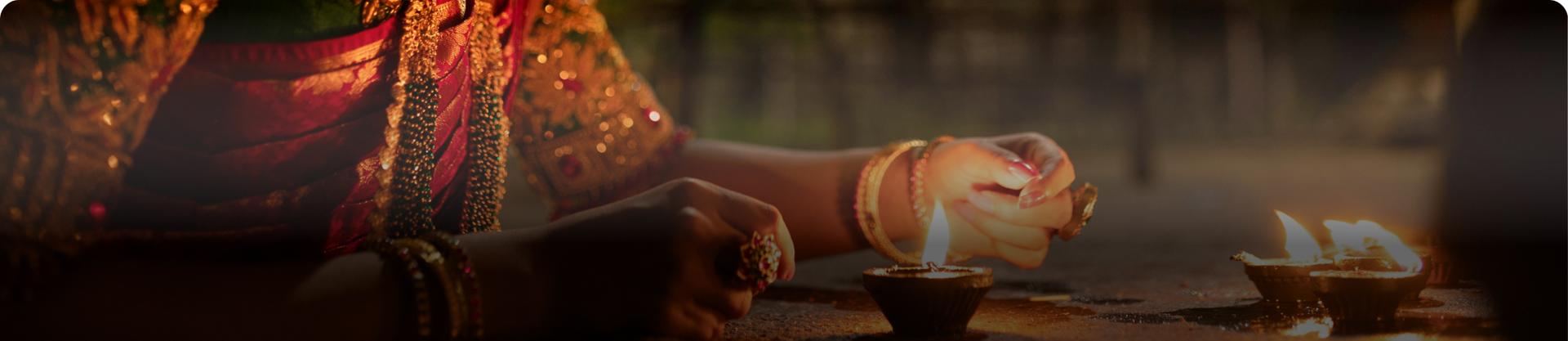
Goddess Chowdeshwari is a fierce and compassionate form of Mother Goddess Shakti, especially revered in Karnataka and parts of Maharashtra. She is worshipped as the family deity by many, including the Devanga community. As an incarnation of Parvati, she is seen as both a loving mother and a fearless warrior who protects her devotees from harm. Chowdeshwari is often depicted wearing a red sari and seated on a lion, with four arms carrying a sword, trishul, sweet bowl, snake, and a damaru, symbolising her qualities of protection, nourishment, and wisdom. In families, her blessings are sought for prosperity, knowledge, and safety; lamps are lit at dawn and dusk, while elders tell stories of her miracles. For devotees, Chowdeshwari is more than a goddess; she is a constant guardian—removing troubles, nurturing hope, and guiding every step with care.



Mantra of Goddess Chowdeshwari
As the sun rises or sets, the home or temple fills with the sound of: 'Om Soolahasthaya vidmahe simhadvajaya deemahi thanno chowdi prachodayat.' This mantra, dedicated to Chowdeshwari, is considered a prayer for protection, prosperity, and knowledge. The chant calls upon the goddess’s form holding the spear and riding the lion, and asks for her guidance and blessings. Devotees recite this mantra daily or during special festivals—either in a group or alone, always with folded hands and sincere hearts. Even children are taught to repeat the core lines to ward off fear and bring good luck in studies and exams. With each repetition, the worries of life quieten down, and the mind becomes steady, filled with trust that Chowdeshwari’s care will remove obstacles. The simple act of chanting, amidst the scent of sandalwood or after offering a sweet to the goddess, brings a sense of peace that lingers throughout the day.
Chalisa of Goddess Chowdeshwari

Aarti of Goddess Chowdeshwari
Frequently Asked Questions
FAQ stands for frequently asked questions. It's a page on a website that provides quick answers to common questions from customers and other visitors.

