
Avalokiteshvara
About Avalokiteshvara
Avalokiteshvara, widely honoured in Buddhist homes and monasteries, is known as the Bodhisattva of Compassion. His name means 'the one who looks upon the world with compassion.' Devotees see him not just as an icon, but as a gentle guide who promises never to rest until every being has found peace and freedom. In many Buddhist homes, an image or statue of Avalokiteshvara is kept above the altar, adorned with flowers and a simple butter lamp. People seek his blessings for mercy and strength to bear life’s hardships. His gentle smile and many arms show his willingness to listen and help everyone, no matter their troubles. His worship reminds people that compassion is not just a feeling but a living action—offering help, forgiveness, and love to all beings. Men, women, and children bow with folded hands and chant his name, trusting that, like a caring parent, Avalokiteshvara sees and supports every soul in need.



Mantra of Avalokiteshvara
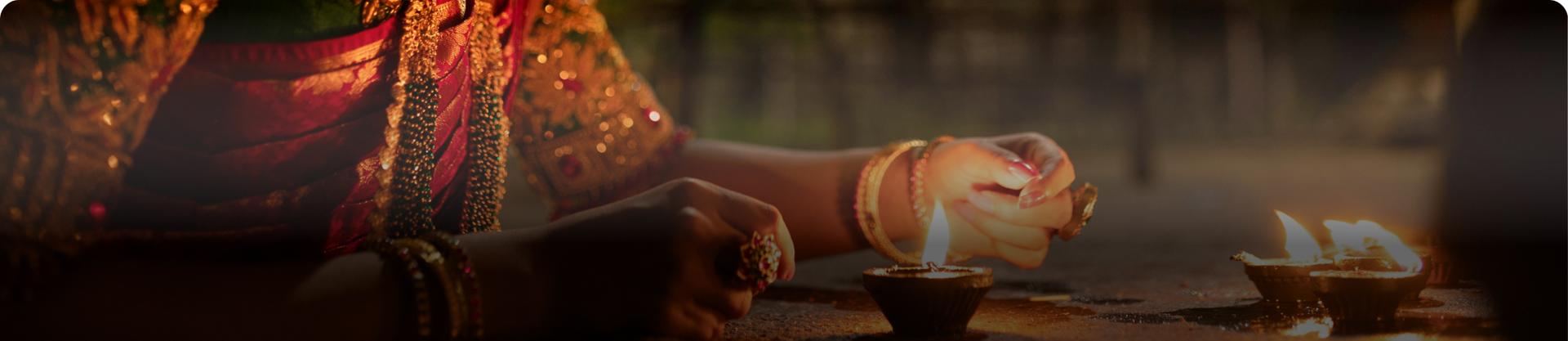
Before starting the day or at the close of evening, devotees gather before Avalokiteshvara’s image, lighting a lamp and quietly chanting the sacred mantra: 'Om Mani Padme Hum.' Each syllable is spoken with deep respect, and even small children learn it on their mother’s knee. The mantra means 'Hail to the jewel in the lotus' and is believed to be the heart beat of compassion—it calls for mercy, wisdom, and the wish to help others. As people repeat these words, their worries slowly drop away and a soft kindness rises up from the heart. This mantra is easy to chant, and many keep rosary beads or count stones to keep the rhythm. The air fills with peace, and the worries of the world seem lighter. In monasteries, hundreds chant together, while in homes, a single person’s humble voice is enough to invite Avalokiteshvara’s blessings—promising safety, hope, and the deep wish to serve.
Chalisa of Avalokiteshvara

Aarti of Avalokiteshvara
Frequently Asked Questions
FAQ stands for frequently asked questions. It's a page on a website that provides quick answers to common questions from customers and other visitors.

