
Aranath
About Aranath
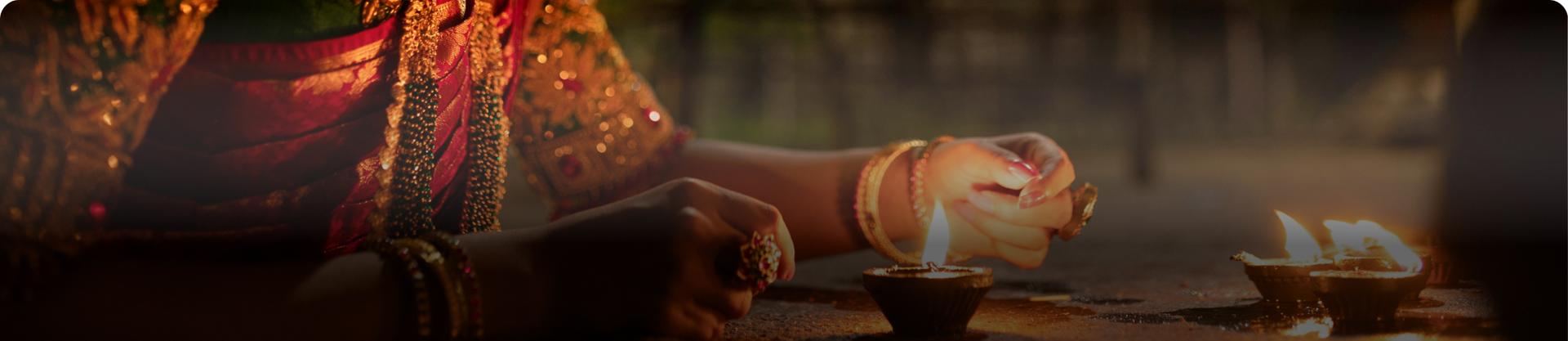
Aranath, the eighteenth Tirthankara of Jainism, is honoured as a guiding light for those seeking liberation through self-discipline and detachment. Born in ancient Hastinapur to King Sudarshana and Queen Devi (Mitra) of the Ikshvaku dynasty, Aranath is remembered not only as a great king (Chakravartin) but as one who realized the limits of worldly power. His life is revered by devotees for the journey from immense authority to the complete renunciation of all attachments. In Jain homes and temples, devotees place fresh flowers and light ghee lamps before his image—marked by the fish symbol—while reciting prayers for clarity, patience, and gentle discipline. The quiet atmosphere of morning worship, the smell of incense, and the soft ring of temple bells all create a space where the lessons of Aranath inspire people to embrace compassion, truth, and the gradual path toward Moksha (liberation).


Mantra of Aranath
In early morning hours, the sacred space is awake with the soft repetition of universal Jain mantras. There is no special mantra only for Aranath, but during rituals, the Navkar Mantra and select verses from Jain texts like the Svayambhūstotra are lovingly recited. Each line is meant to draw the mind toward the passionlessness, control, and benevolence that mark the Tirthankara’s life. The act of chanting—'Namo Arihantanam, Namo Siddhanam, Namo Ayariyanam, Namo Uvajjayanam, Namo Loe Savva Sahunam'—focuses the mind and helps devotees let go of pride, worry, and desire. Some elders teach children to sit with closed eyes and peace in their heart, listening to the mantra as much as saying it, reflecting on qualities like patience and forbearance. The power of these prayers is not in complex words, but in their ability to settle the mind and inspire honest actions throughout the day.
Chalisa of Aranath

Aarti of Aranath
Frequently Asked Questions
FAQ stands for frequently asked questions. It's a page on a website that provides quick answers to common questions from customers and other visitors.

