Abhinandananatha
About Abhinandananatha
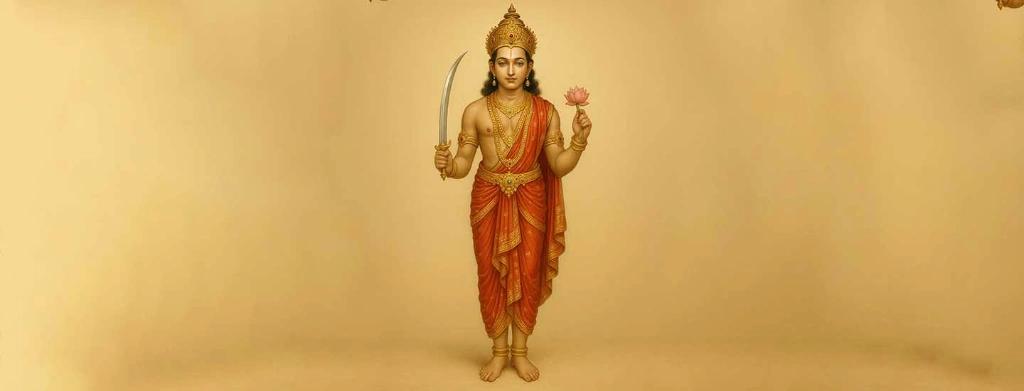
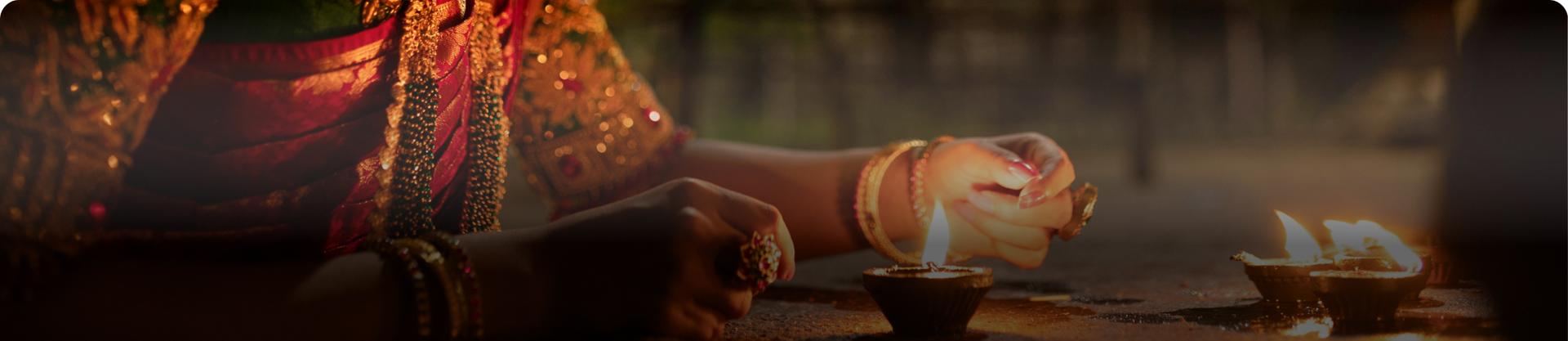
Abhinandananatha is regarded as the fourth Tirthankara of Jainism, guiding souls toward peace, self-mastery, and ultimate spiritual freedom. He was born in the ancient city of Ayodhya to King Svayambara and Queen Siddhartha. His teachings emphasize the value of letting go of material attachments and focusing on meditation and inner development. With his golden form and gentle presence, he stands as a living symbol of purity, non-violence, and forgiveness. Worshipped not for worldly favors but as an ideal of right living, Abhinandananatha inspires devotees to live with compassion and self-control. In Jain homes, lamps are lit every morning, and prayers are offered before his serene image, asking for wisdom to follow his peaceful example and walk the steady path toward moksha.


Mantra of Abhinandananatha
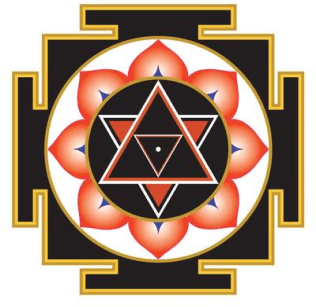
The heart of Abhinandananatha’s worship is the daily chanting of the Navkar Mantra — a prayer that honors all tirthankaras and awakened souls. The mantra is: 'Namo Arihantanam, Namo Siddhanam, Namo Ayariyanam, Namo Uvajjhayanam, Namo Loe Savva-Sahunam…' When spoken softly at dawn, the sound brings a wave of calm, focusing the mind and offering respect to those who have conquered attachment and ignorance. Some devotees also repeat 'Om Arham' in slow, deep breaths, absorbing its quiet echo in the morning room or near the family’s puja corner. There is no mantra found that is singular to Abhinandananatha — all Jinas are honoured together, teaching the lesson of unity, humility, and aspiration for spiritual growth. The mantra is known to purify thoughts, decrease anger, and open the heart to universal kindness, setting the tone for the day.
Chalisa of Abhinandananatha

Aarti of Abhinandananatha
Frequently Asked Questions
FAQ stands for frequently asked questions. It's a page on a website that provides quick answers to common questions from customers and other visitors.

